
One Week in Japan’s Tokai Region Itinerary: Historical Gems Without the Crowds
A typical first time visit to Japan usually covers Tokyo, Kyoto and Osaka, known as the Golden Route. But if you’d prefer to visit Japan in one week avoiding crowds that swarm popular tourist hotspots, this itinerary will help you “blend in!”
Alongside two fellow creators, I accepted an invitation to Japan to help share an overlooked side of the historically rich Tokai Region. Our 7 days in Japan were designed to help us discover some gems in Tokyo, Gifu and Aichi Prefectures that are overlooked by most foreign visitors – but shouldn’t be.
Covering quintessential Japanese cultural experiences and avoiding overtourism issues, I’m SO excited to share these lesser-known spots where locals can’t wait to welcome you… Read on for more!
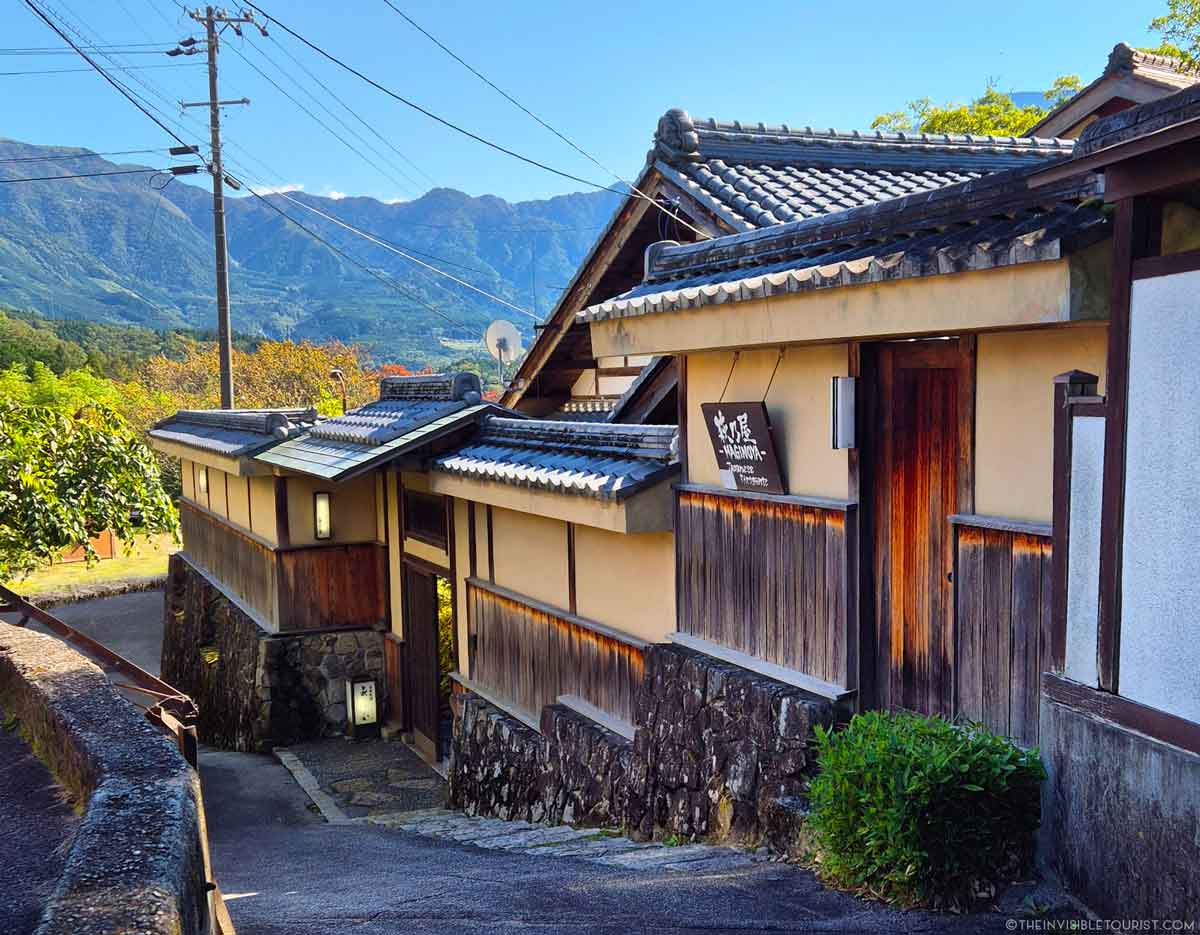
I was kindly hosted by the Tokyo Convention & Visitors Bureau for this press trip, the sponsor of this article. As always, all thoughts and opinions are my own. This article contains affiliate links at no extra cost to you. I may earn a small commission if you click thorough and make a purchase.

How to spend one week in Japan: 7 day itinerary
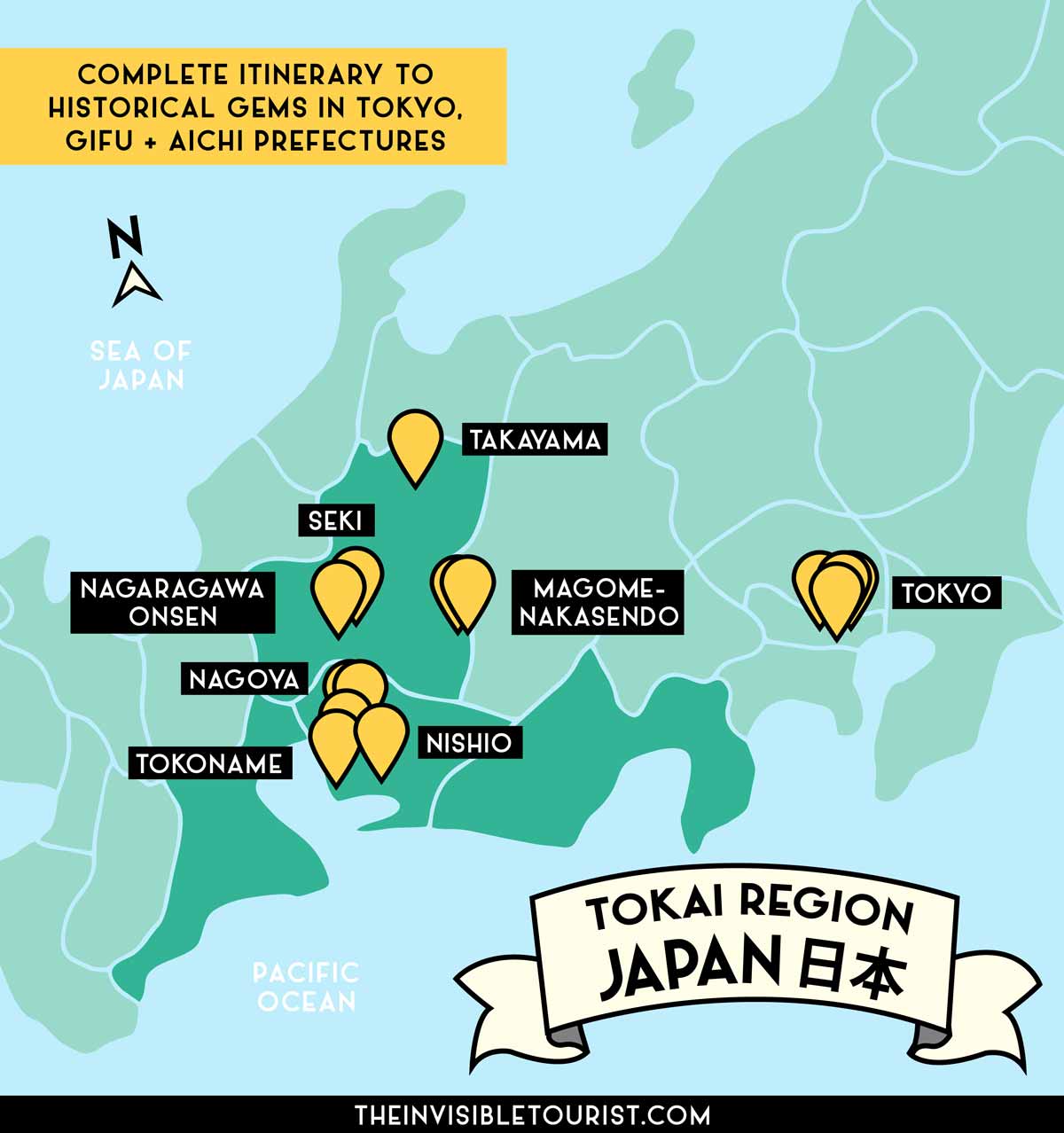
Incorporating alternatives to popular spots, this guide to spending 1 week in Japan covers two nights in Tokyo, one night in Takayama, one night in Nagaragawa Onsen, and two nights in Nagoya. If we’re lucky, we may get a chance to see Mount Fuji from the shinkansen too.
Curiosity about Japan’s Edo Period (1603 – 1868) is on the rise thanks to international TV series and novels based on the Tokugawa Shogunate. I love how this Tokai itinerary allows us to walk in the footsteps of feudal lords and to contrast, it also embraces modern innovation Japan is known for.
Although I have been visiting Japan regularly since 2014, I was so impressed by everything in this itinerary and know you will be too. Let’s begin!
DAY 1: Step Back in Time in Overlooked Tokyo
- Fukagawa Edo Museum – Start the day exploring this life-sized replica townscape at Fukagawa Edo Museum depicting life during the Edo Period. Complete with a miniature canal and residences of tradespeople from the time, I loved the historical accuracy of the old vegetable & rice storehouses, the fire watch tower and the main street. It felt like a real neighbourhood, and would be great for kids too. Keep an eye out for attention-to-detail with seasonal displays, animals dotted throughout and the exhibition hall!

- Toyosu Senkyaku Banrai – If you only have 7 days in Japan, you need to visit Toyosu Senkyaku Banrai! Inspired by Edo-style architecture, you could spend a whole day at this new shopping & dining complex. As part of a collaboration, the vendors offer tasty fresh seafood and produce sourced directly from Toyosu Fish Market opposite. You may be lucky to catch a taiko drum or samurai performance in the town square. The complex is split into two sections: Toyosu Jogai Edomae Ichiba (Edo-themed food vendors) and Tokyo Toyosu Manyo Club (8 floor hotel & onsen building).
- Lunch at the food court or restaurants – Within Toyosu Jogai Edomae Ichiba, have lunch in the food court or at one of the specialty restaurants. I enjoyed lunch at Seafood Buffet Restaurant IROHA, an all-you-can-eat buffet offering fresh seafood from Toyosu Market. It’s a more relaxed experience and great alternative to battling the tourist crowds at Tsukiji Outer Market, or Nishiki Market in Kyoto.

- Enjoy a hot spring footbath experience – Guests of the Tokyo Toyosu Manyo Club can enjoy the rooftop footbath experience I did pictured below, it was so relaxing. And on the 8th floor, there is a free footbath for anyone to use with beautiful views over Tokyo Bay. This club is open 24 hours!
- Relax with a full onsen & yukata experience – Forget the crowds in Hakone when you can enjoy its mineral waters here in Tokyo! For a fee, Tokyo Toyosu Manyo Club offers open-air hot springs with water supplied daily from Hakone and Yugawara Onsens in Kanagawa Prefecture. There is the option to stay a few hours in the Relaxation Room (a nicer alternative to a capsule hotel), stay overnight in a private room or use the onsen facilities as a day trip.
- Stay at THE GATE HOTEL RYOGOKU by HULIC – Overlooking the Ryogoku Kokugikan Sumo Arena, The Gate Hotel is ideal for visitors wanting all the conveniences of some larger neighbourhoods such as Shibuya or Asakusa, but in a quieter setting. I loved the rooftop bar view over the Sumida River and Tokyo SkyTree!

DAY 2: The Art of Bonsai & Indigo Dyeing in Tokyo
- Shunkaen BONSAI Museum – Begin the morning admiring the exceptional art of bonsai. Established in 2002 by bonsai master Kunio Kobayashi, the museum’s front area displays bonsai ranging from 600 – 1000 years old! I was left in awe at their ages and imagined the stories they could tell. Perhaps the most fascinating thing I learnt here was why bonsai are not brought inside during a typhoon. You can also enjoy tea overlooking the garden as it changes through the seasons, or participate in a Bonsai Experience Class to learn how to create your own. As they say, any tree can become a bonsai! It’s possible to book tickets in advance on their official website.

- Traditional Indigo Dyeing at Wanariya, Asakusa – Learn about the centuries-old practice of aizome and create a souvenir unique to you at Wanariya! The deep blue dye is created from fermented indigo plant leaves (which can help hayfever symptoms). Using elastic bands to hold shape, our group was shown how to fold cloth in different ways to create beautiful end-result designs.
We then wore double rubber gloves to dip our cloth into vats of the deep indigo dye – it almost appeared metallic – squeezing it to absorb the colour and singing as we went. The dipping process was repeated a few times to deepen the colour intensity. Afterwards, our cloths were rinsed and elastics removed to reveal our designs – I was surprised how professionally they all turned out. You can’t go wrong!

DAY 3: Swordsmith Experience & Historical Takayama
- Transit from Tokyo to Gifu Prefecture – With an early start, use the shinkansen (bullet train) to journey from Tokyo to Seki via Nagoya. Choose a seat on the right side for the chance to see Mt Fuji! To save queuing for tickets, you can purchase them online in advance through the official ticketing service, Shinkansen Online Reservation. More details for how to do this down the page.
- Cutler SANSYU/Seki Hamono Museum – En route to Takayama, observe traditional Japanese sword forging training conducted by a 25th-generation swordsmith! For over 800 years, the town of Seki has been known for quality blade production, from kitchen knives to katana (Japanese swords) and everything in between.
On display are all kinds of beautiful blades from throughout the ages, including handles made with shark skin. Don’t miss quality souvenirs available in the gift shop, there is a huge variety of kitchen knives, gardening tools, small scissors and more to select from. I bought a set of garden shears, they are incredibly sharp and sturdy. Details at the Cutler SANSYU/Seki Hamono Museum website.

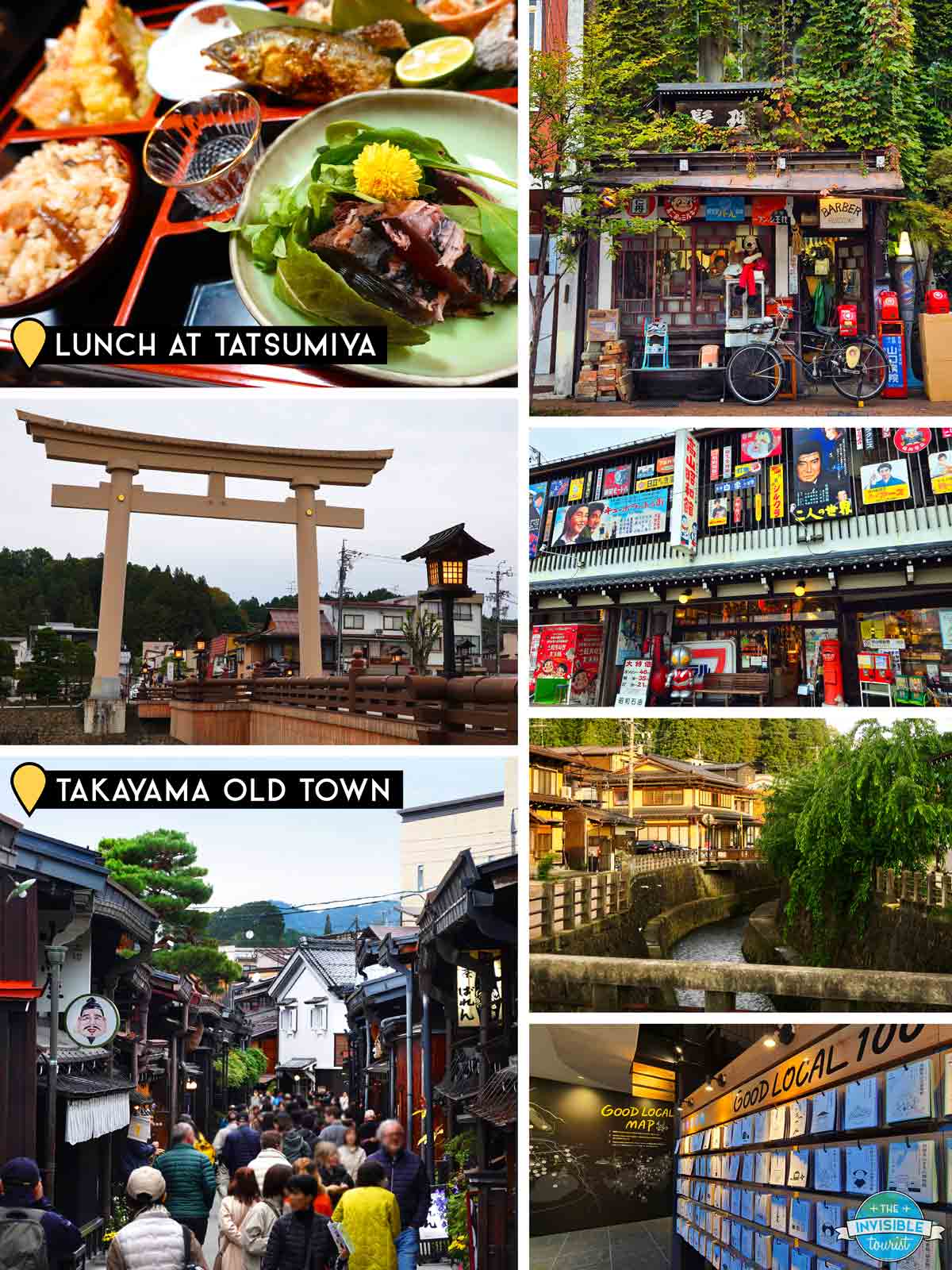
- Lunch at Tatsumiya – Presented immaculately, enjoy a lunch of sashimi, miso soup, tempura, beef and seasonal vegetables. I highly recommend it.
- Takayama Old Town – Beautifully preserved Takayama is busier now than previous years, however tourists all seem to stick to the one street. Venture away from Sanmachi-dori for little shops, eateries, museums, shrines, and even a stunning hillside temple walk away from the crowds. The consistent sound of the Miyagawa River and canals is very relaxing. Keep an eye out for Sarubobo, the icon of Takayama believed to protect daughters.
TIP: My 2 day Takayama itinerary has more details. - Stay at hotel around TAKAYAMA – With its playful name, don’t miss the dinner or breakfast at hotel around TAKAYAMA. Takayama is known for its pure sake, so why not try the tasting set? In the lobby, browse along the wall of cards featuring local businesses that corresponded to a giant map of where to find them. I’m very passionate about supporting small local businesses, so this is a brilliant idea!
DAY 4: Local Market, Scenic Nakasendo Trail & Onsen
- Miyagawa Morning Market – Begin the morning at Takayama’s local market along Miya River. You’ll find all kinds of tasty street food, traditional handcrafted goods and local produce that make perfect gifts and souvenirs. I can never get enough of the locally-made fabrics with Japanese symbolism, and I was so pleased to see the coffee cookie cup vendor from my previous visit was still there!

- Magome-juku – Enjoy strolling along the sloped, stone-paved pathway in Magome, part of the Kiso Valley. This preserved post town is one of 69 stations along the old 540-kilometre Nakasendo Trail once connected Edo (now Tokyo) to Kyoto. At the top of the town, the views of the Kiso Mountain Range are breathtaking!

- Stay at Juhachiro Nagaragawa Onsen – When visiting Japan in a week this trip, my stay at Juhachiro was truly a highlight. The hallways are modelled to look like narrow streets with traditional building techniques, and the view from my room over the Nagara River was spectacular.
While dinner was a delicious kaiseki feast, the five onsen with different minerals are worth the trip in itself. The open-air onsen overlooks the Nagara River, while my favourite indoor spring was the milky “Silky Bath,” which actually made my skin feel silk-like afterwards! This historical property has been operating since 1860.

DAY 5: National Treasures & The Way of Tea in Nagoya
- THE TOKUGAWA ART MUSEUM – From Juhachiro, head to THE TOKUGAWA ART MUSEUM in Nagoya. My fellow history fans won’t want to miss this! Opened in 1935, the collection houses over 10,000 artefacts that have been passed down through descendants of Tokugawa Ieyasu, one of the Three Great Unifiers of Japan and founder of the Edo Shogunate.
Admire armoury, reconstructions of residence chambers within Nagoya Castle, immaculately preserved documentation from first contact with Europeans, elaborate objects and furnishings from daily life, and much more. We were granted special permission to view precious teaware including a solid gold cup belonging to Tokugawa Ieyasu, weighing in at 2 kilograms! The exhibited items change regularly, so no two visits are the same.

- Lunch at Katsumasa Fushimi – In the mood for crunchy tonkatsu (crumbed pork cutlet)? This restaurant serves some of the best I’ve ever had, including a jumbo size!
- AOI Seicha Matcha Experience – While Uji and Shizuoka are known for their green tea cultivation, not many visitors realise Nishio City is too! For a brief explanation on sado, meaning “The Way of Tea,” AOI Seicha offers a tea ceremony experience covering all the etiquette you need to know. While I have experienced different kinds of tea ceremonies over the years throughout Japan, I still learnt new things – such as the correct way to hold the chasen (bamboo whisk), how to make the bubbles smaller, and even saw a ceramic pot directly from the tea fields in the way it was traditionally stored. I loved the tea store here, the prices on matcha teaware are very reasonable, which make great gifts!

DAY 6: Traditional Craftsmanship in Nagoya & Tokoname
- Nagoya Castle – Spend the morning exploring Nagoya Castle grounds. Construction of Hommaru Palace began in 1610 by order of Tokugawa Ieyasu, and it was later destroyed by air raids in 1945. It was beautifully reconstructed in 2018 to reflect its former Edo-period glory.
The vivid sliding screen paintings and intricate metal fittings are reminiscent of Nijo Castle in Kyoto! Our guide explained the significance of each room, the craftsmanship is truly admirable.
I especially loved the striking Genkan (Entrance Hall), decorated with gold leaf and paintings of powerful tigers on its walls. How intimidating this would have been for visitors at the time! Pick up the Audio Guide for extra insights.
During the Edo period, a large palace complex stood beside Ninomaru Garden here, serving as the residence of the Owari domain lord as well as a political centre of the Owari domain. The buildings are no longer, however the maple and moss-filled gardens create a lovely ambience for a stroll.
TIP: Read my Nagoya travel guide for even more inspiration.

- Lunch at Kidoya – Would you like to try unagi (freshwater eel)? Prepared in a delicious sweet/savoury sauce and served over a bed of rice, the eel is crispy on the outside yet its flesh remains soft. I highly recommend a meal here.
- Tokoname Pottery Footpath – Head south to charming Tokoname, once a thriving pottery town and known for ceramic production since the Heian Period (794 – 1185). As one of the Six Ancient Kilns of Japan, find laneways lined with ceramic pipes and swirling pavements, brick chimneys, and reused pottery creating artistic scenery. Old warehouses and residences have been converted into little shops and cafes, why not try a glass-making class or other crafting experience here?
Tokoname is also known to produce around 80% of Japan’s maneki-neko (ceramic lucky cats), which is celebrated with cat artworks dotted throughout. Don’t miss Manekineko-dori St., (featuring 39 cat sculptures by local artists to suit every personality!) or Tokonyan, a giant waving lucky cat’s head, which is now a modern symbol of the town.
TIP: Remember this is a residential neighbourhood so please “be invisible” as possible during your visit.

DAY 7: Japanese Innovation & Technology in Nagoya
- Toyota Commemorative Museum of Industry and Technology – What do textile looms and car manufacturing have in common? I didn’t know Toyota’s origins were tied to weaving! Sakichi Toyoda and his son, Kiichiro Toyoda (with a “d” – you’ll learn why this was changed to a “t” in the museum) revolutionised spinning weaving technologies in the 1930’s, leading to Kiichiro’s dream of creating automobiles entirely manufactured in Japan.
The museum follows the development of Toyota’s textile machinery through to car manufacturing and production to this day. Although I’m not a major car enthusiast, I was still very impressed with the creativity and ingenuity of the two Toyoda men in their problem-solving and innovation. The concept of monozukuri was a significant take-away for me. There’s a free audio guide and a timetable of demonstrations to watch.
Note: Closed Mondays, check the official website to plan your visit.

- SCMAGLEV and Railway Park – We foreign tourists all love the shinkansen in Japan, but how many of us actually know what is involved in keeping this network running smoothly? The SCMAGLEV and Railway Park takes us behind-the-scenes to learn about the systems that support the safe, accurate, and comfortable operation of the Tokaido Shinkansen. I was so fascinated by the evolution of high-speed rail technology through the decades here, from conventional railways to the Superconducting Maglev. There’s even a rare Dr Yellow cab!
Have a turn of the life-sized N700 Shinkansen driver’s cab simulator offering an operating experience of the Tokaido Shinkansen (15 minutes per session, 500 yen), as well as other equipment based on the training simulators used by JR Central drivers and conductors. The attention to detail of the railway diorama is fantastic, recreating the scenery along the Tokaido Shinkansen route from Tokyo to Osaka. But my favourite is the Superconducting Maglev exhibition room… We learnt how maglev technology works and experienced a CG maglev ride simulating 500km/h speeds!

Tokai Area travel tips for this Japan one week itinerary
- A combination of shinkansen, local trains and taxis can be utilised to complete this itinerary for 1 week in Japan.
- On arriving in Japan, purchase either a Suica or Welcome Suica IC card to use on most public transport. We can also link it when using the Shinkansen Online Reservation website (below) to purchase bullet train tickets to travel between Tokyo and Nagoya.
- Your IC card can be recharged at ticket machines with cash or in your Apple Wallet through the app (not available for my fellow Android users).
- To avoid queues, tickets can be purchased via the official ticketing service, Shinkansen Online Reservation, for the Tokaido, Sanyo, and Kyushu shinkansen.
- Create an account, select seats and purchase tickets (see screenshots below, you may need to zoom in).
- Pass through the gates with a QR code on your smartphone. Don’t forget to take your printed ticket as a receipt, it pops up when passing through the gate!
- TIP: Read my guide to Japan train symbols to decode their meanings in Google Maps to know when to use which ticket or transport pass.
- The screenshots shown below are from the app version. The browser-based service has a different interface, but will give you an idea of the process.

Concluding this itinerary for Japan in 1 week
If you’re wondering what to do in Japan in one week, I hope this unconventional itinerary has given you some inspiration to explore lesser-known sports you haven’t considered before!
While starting in Tokyo and making your way through Gifu and Aichi Prefectures, you’ll not only walk some of the most important paths in the history of Japan, but also cover some quintessential Japan experiences without crowds. Whether you’re visiting for the cherry blossom season, to escape summer heat, to admire autumn colours or to enjoy the beauty of snow in winter, this 1 week Japan itinerary is suitable year-round.
Do you have any questions about this itinerary? When will you visit? Let me know in the comments below. And for videos of this itinerary, check out my fellow creators over on YouTube, Erica at Build Your Moxie and Paris at LeSweetpea!
Sending a huge thanks to Tokyo Convention & Visitors Bureau for hosting me and making this article possible, to the amazing team who put this trip together, and to all the wonderful locals we encountered who made us feel so welcome.
For more free Japan travel itineraries, check out my comprehensive Japan blog that covers 70% of the country from all my visits:
- 10 day Japan itinerary to avoid crowds
- 2 weeks in Japan itinerary to “blend in”
- 3 weeks in Japan itinerary: Cities, alps & in between
- 5 day Tokyo itinerary to “blend in”
- 4 day Kyoto itinerary to “blend in”
- Hotels in Tokyo to suit you
- Hotels & Ryokan in Gion, Kyoto to suit you
- 10 day Shikoku itinerary
- 7-10 day Kyushu itinerary
- 14 day Hokkaido winter itinerary
- 7 day Izu Peninsula itinerary
- Hotels & onsen ryokan in the Izu Peninsula
- Beautiful places in Japan off the beaten path
Feeling social? Explore beyond the main touristy sights with my dedicated Japan Off the Beaten Path Facebook group or come and join me on Facebook, YouTube, Pinterest, TikTok and Instagram for more travel inspiration!
Until next time,


This Japan 1 week itinerary contains some affiliate links. I may earn a small commission if you decide to make a purchase and if you do, thanks for your support! This helps with the costs of running my blog so I can keep my content free for you. As always, I only recommend a product or service that I genuinely love and use myself!
What a refreshing alternative to the Golden Route! I love how this itinerary focuses on blending in rather than battling crowds. Saving this for when I finally return to Japan, thanks for showcasing these overlooked treasures!
Thanks so much for reading, Jonah! I hope you enjoy these overlooked spots on your next trip 😊
HI Alyse,
What a great post—I’ve been learning so much from it. I’m currently finalizing travel plans, but I’ve hit a bit of a wall and would love your advice.
We’ll be flying from San Antonio (SAT) to Tokyo (Haneda), but I haven’t been able to find the best flight options yet—especially since I’d prefer to fly into Tokyo and return from Osaka. I’ve already booked refundable hotels: four nights in Tokyo and two in Kyoto. I’m now debating whether to add one or two nights in Osaka, but I’m unsure if it’s worth it or if it would be better to stay based in Kyoto and visit Osaka as a day trip. I’m especially interested in experiences that feel more cultural and immersive.
Our tentative travel dates are May 18 through May 26 or 27, and I’m trying to balance logistics with making the trip enjoyable and not too rushed. One idea I had was to visit Osaka in the morning, spend part of the day there, and return to Kyoto in the evening—but I’m not sure if that’s the best approach.
I’d also really appreciate any tips on:
The best way to book multi-city flights (arriving in one city and departing from another)
Whether staying overnight in Osaka is worthwhile, and if so, any lodging recommendations
This trip is especially meaningful—it’s a gift for my granddaughter, who turns 15 tomorrow. We’re not having a quinceañera, so this journey is our way of celebrating her memorably.
Thank you again for sharing such helpful and inspiring content—I’ve truly been enjoying it.
Hi Norma, thanks so much for your kind words!
For flights, my top recommendation especially since 2020 is to always book directly with the airline. Run some hypothetical scenarios where you fly return from Tokyo, or fly into Tokyo and out from Osaka. Usually the return airfare from the one city works out cheapest even if you add the cost of the bullet train back – you’d need to factor this in too. But you’d need to test this to confirm for your dates.
Re Kyoto vs Osaka… I might need to publish my thoughts on that in a separate blog post (I have an unpublished 2000 word essay about it actually!)
But very generally speaking – listen to your heart. If it is drawn to larger cities and bustling vibes, Osaka will fit the bill. If you prefer the opportunity to venture out into more offbeat areas to visit quieter temples and shrines, add the extra time to Kyoto.
There is a Japanese saying: Tokyo may be the capital of Japan, but Kyoto is its heart.
Regarding your questions about Osaka, please read my 2 day Osaka itinerary here, with options for where to stay.
And for Kyoto, my 4 day Kyoto itinerary shares how to visit the popular spots wih minimal crowds where possible as well as plenty of ideas for cultural experiences and lesser-known spots.
I hope that helps and thanks for reading!
Wow Alyse! What a fantastic opportunity for you. I didn’t know about most of these places. Tokoname looks right up my alley and the onsen, I will need to add them to my wishlist for my next trip. Great read.
Thank you for reading, Jeri! It was such an honour being invited to Japan to enjoy all these incredible experiences and to share them with you. I hope you’ll enjoy creating your own special memories in these locations someday soon, happy travels!