
2 Day Nagoya Itinerary: Overlooked Edo Charm & Future Tech
What should you add to a 2 day Nagoya itinerary? Is it even worth visiting? I understand your questioning, because even I didn’t visit until my sixth trip to Japan. But afterwards, I wondered why it took me so long to get here!
Known colloquially as the central “bellybutton” of Japan in Aichi Prefecture, Nagoya is often overlooked in favour of Kyoto and Osaka, and it even gets a bit of a bad rap from locals. When I told a Japanese lady from Nagoya I wanted to visit, she laughed and asked me genuinely, “But why? There is nothing there.”
Much of the city was destroyed by air raids in WWII, so on the surface it can look like any other Japanese city. However when you scratch beneath the surface, you’ll find a stunning palace, a pocket of Edo-era streets, treasures that once belonged to the Tokugawa shoguns, one of Japan’s biggest foodie scenes… And maybe the best part? Hardly any crowds, even on peak hour trains!
I first visited in October 2023 with my kids, and went back solo in October 2025 as a guest of the Tokyo Convention & Visitors Bureau. Nagoya took my breath away both times. Two days in Nagoya is ideal: One day for the castle and old Nagoya, and one to make your own, whether that’s Legoland, the museums, history or day trips. Read on for more!
This post contains affiliate links, at no extra cost to you. I may earn a small commission if you click through and make a purchase.
2 day Nagoya itinerary at a glance
- Day 1: Nagoya Castle and Hommaru Palace, Edo-era Shikemichi and Endoji Shotengai, then Nayabashi Bridge lit up at night.
- Day 2: Pick one: Legoland, the SCMaglev and Toyota museums, the Tokugawa Art Museum and Osu temples, or a day trip to Tokoname. Then wagyu at Yakiniku Tokugawaen and Mirai Tower for a nice view at night.
- Stay: Grand Base Hotel Chiyokura Nagoya, with family rooms that fit four (details below).
- Getting there: 1 hour 35 mins from Tokyo by shinkansen, or about 2 hours 15 mins from Hiroshima.
- Getting around: Subway, short taxi rides and walking.
TIP: Still deciding whether to go at all? Read why I think Nagoya is worth visiting.
How many days in Nagoya?
Some of the attractions can be covered in one day, but with two days you can get so much more out of your visit at a relaxed pace. Turn this into a 3 day Nagoya itinerary if you’d like both Legoland and a museum day, or add a day trip to Tokoname or into the Japanese Alps.

2 Day Nagoya itinerary for first-time visitors
Let’s blend the traditional with the modern for your itinerary for Nagoya, starting with the city’s most historical landmark.
DAY 1: Nagoya Castle and Edo-era charm
Why: Hommaru Palace is the highlight and has last entry at 16:00, so do it first, then wander the old streets as the light fades.
TIP: Only have one day in Nagoya? Do Day 1: The palace, Shikemichi and Nayabashi Bridge at night.
Morning: Take the Meijo subway line to Shiyakusho Station for Nagoya Castle (¥1,000). You can’t go inside the castle tower, but the reconstructed Hommaru Palace caught me by complete surprise and was the absolute highlight of Nagoya for me.
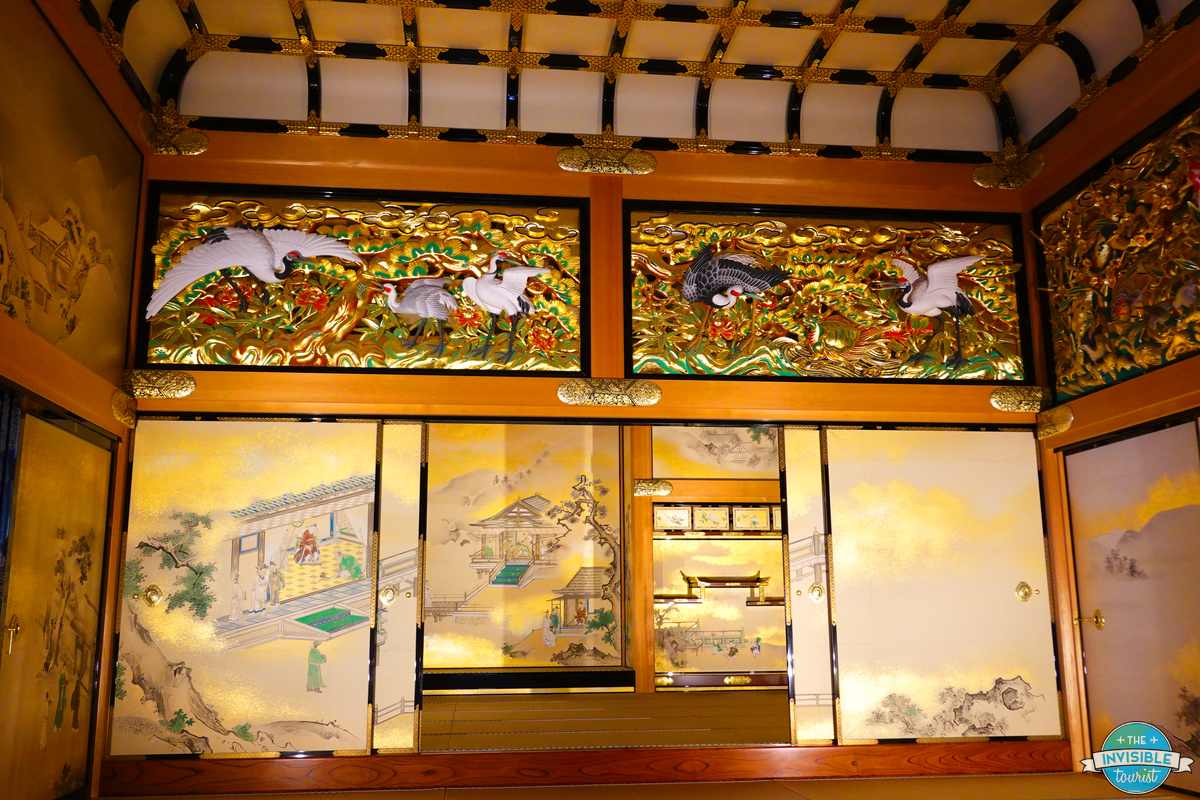
Construction began in 1610 by order of Tokugawa Ieyasu, and it was beautifully reconstructed in 2018 to reflect its Edo-period glory. Think intricate wooden carvings, painted sliding screens, gold leaf, tatami rooms, decorated ceilings and even a room with nightingale floors.
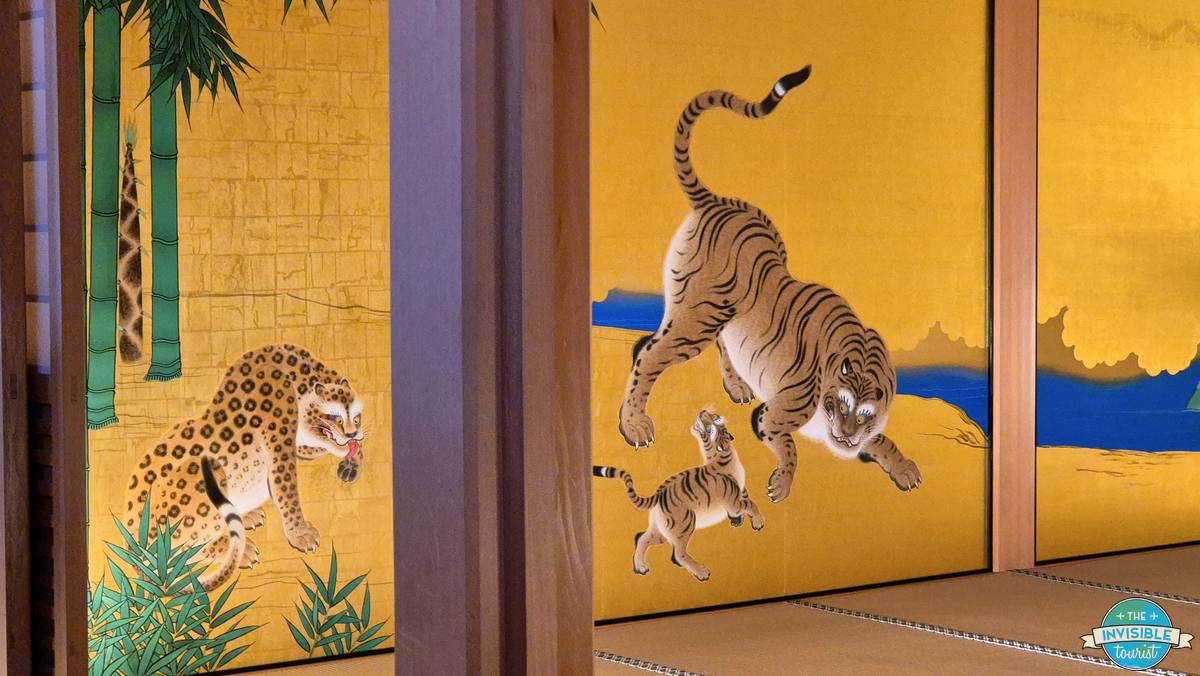
I especially loved the Genkan (Entrance Hall), with paintings of powerful tigers on its walls. How intimidating this would have been for visitors at the time! Pick up the audio guide for extra insights.
It reminded me of Nijo Castle in Kyoto, which I loved, but unlike Nijo you can take photos here (no flash). You’ll take your shoes off inside, and free lockers are provided for your bags and shoes. Afterwards, stroll the maple and moss-filled Ninomaru Garden, where the Owari lord’s palace once stood.
TIP: Nagoya Castle is a great spot to see cherry blossoms if you’re visiting Japan in spring.
Lunch: Kinshachi Yokocho, the street of traditional shops by the castle’s main gate, is one of the best places to try Nagoya meshi, the city’s own dishes. Try miso katsu (fried pork cutlet dripping in red miso sauce) or kishimen (broad, flat noodles in a dashi broth).
Afternoon: Take a short taxi west to Shikemichi. By some kind of miracle, this pocket of quiet laneways and dark wooden buildings (the traditional Japanese kind you’d expect in Kyoto) escaped the WWII firebombing that flattened most of Nagoya.

At its northern end you’ll walk straight into Endoji Shotengai, a covered shopping street with roots dating back to 1612. Its long metal roof seems to be a nod to Nagoya’s industrial past, and it’s lined with small shops and cafés (including a few Spanish and Italian ones) for a drink and a snack.
Look out for little Konpira Shrine, dedicated to the god of fire, right on the shopping street, and nearby Sengen Shrine with its seven 300-year-old camphor trees.

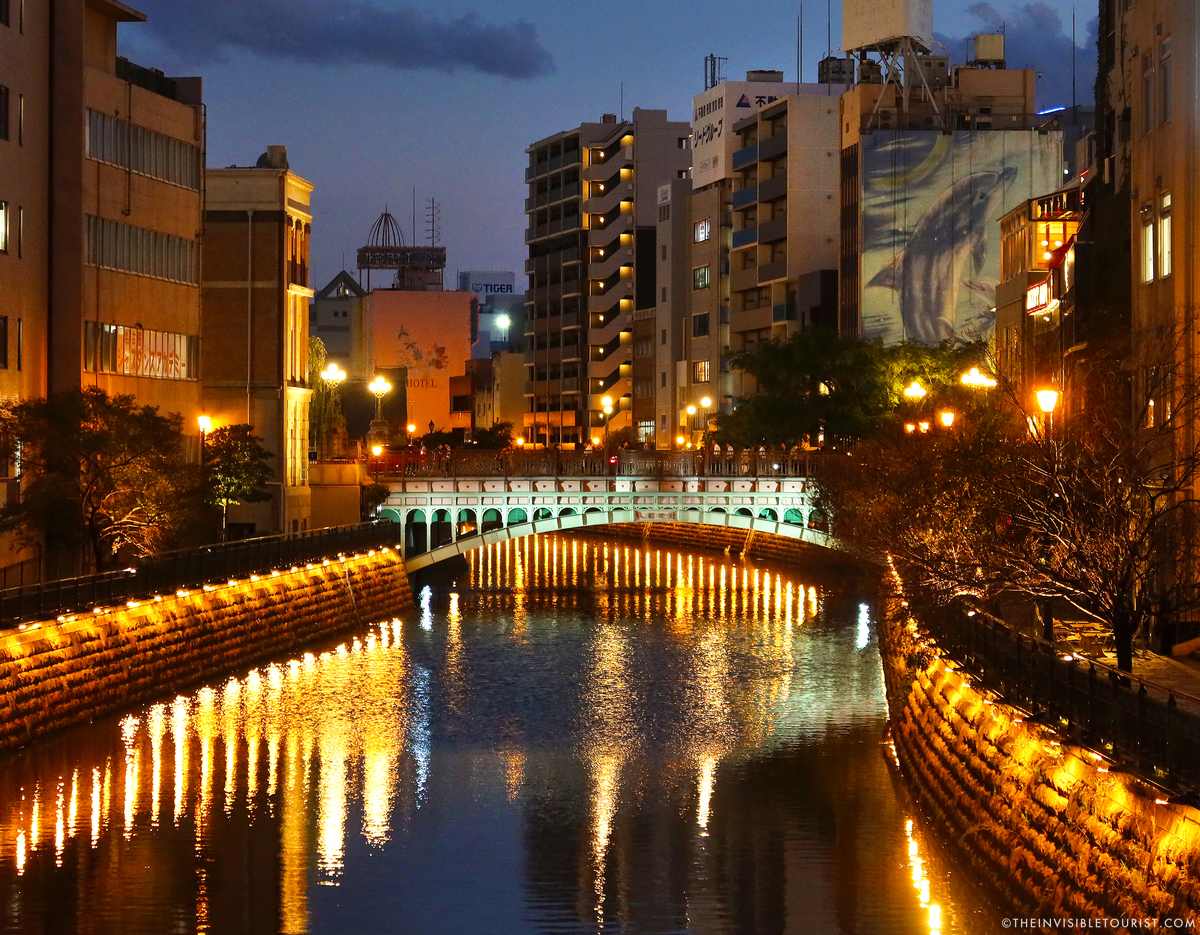
Evening: Walk south along the Hori River to Nayabashi Bridge, beautifully lit up at night. The first bridge here dates back to 1610, and today’s bridge keeps the arches of its 1913 predecessor. Look for the crests of Nagoya’s local heroes on its railings: Oda Nobunaga, Toyotomi Hideyoshi and Tokugawa Ieyasu, the three great unifiers of Japan.
It’s about 10 to 15 mins walk from Nagoya Station, so dinner is easy: Try hitsumabushi, grilled eel with rice eaten four ways. Rather not go it alone? Try this evening sake tasting small group tour with a friendly local guide.

SKIP: The castle tower: It’s been closed since 2018 for a full wooden rebuild, so go straight to the palace.
DON’T MISS: The tiger paintings in Hommaru Palace’s Entrance Hall.
DAY 2: Legoland, technology & innovation, or Tokugawa treasures
Why: Day 2 is yours to shape. Pick one of these options, then meet back for the best wagyu of your life.
Option 1: LEGOLAND Japan (with kids)
Take the Aonami Line from Nagoya Station to Kinjo-futo (about 24 minutes), then walk a few minutes to LEGOLAND Japan. Legoland is far quieter than Tokyo Disney or Universal Studios Japan. On our weekday visit, waits for rides were as little as 5 minutes, and the longest my group waited all day was 15 minutes.
Most rides suit primary school-aged kids, but adults will enjoy the Knight’s Kingdom Dragon rollercoaster and Flying Ninjago, and there’s even a submarine ride.
Don’t miss Miniland’s Japanese cityscapes made from Lego, they exceeded my expectations! Buy Legoland Japan tickets in advance here and check its opening calendar before you go, or read my Legoland Nagoya review.

Option 2: Technology and innovation (great with kids)
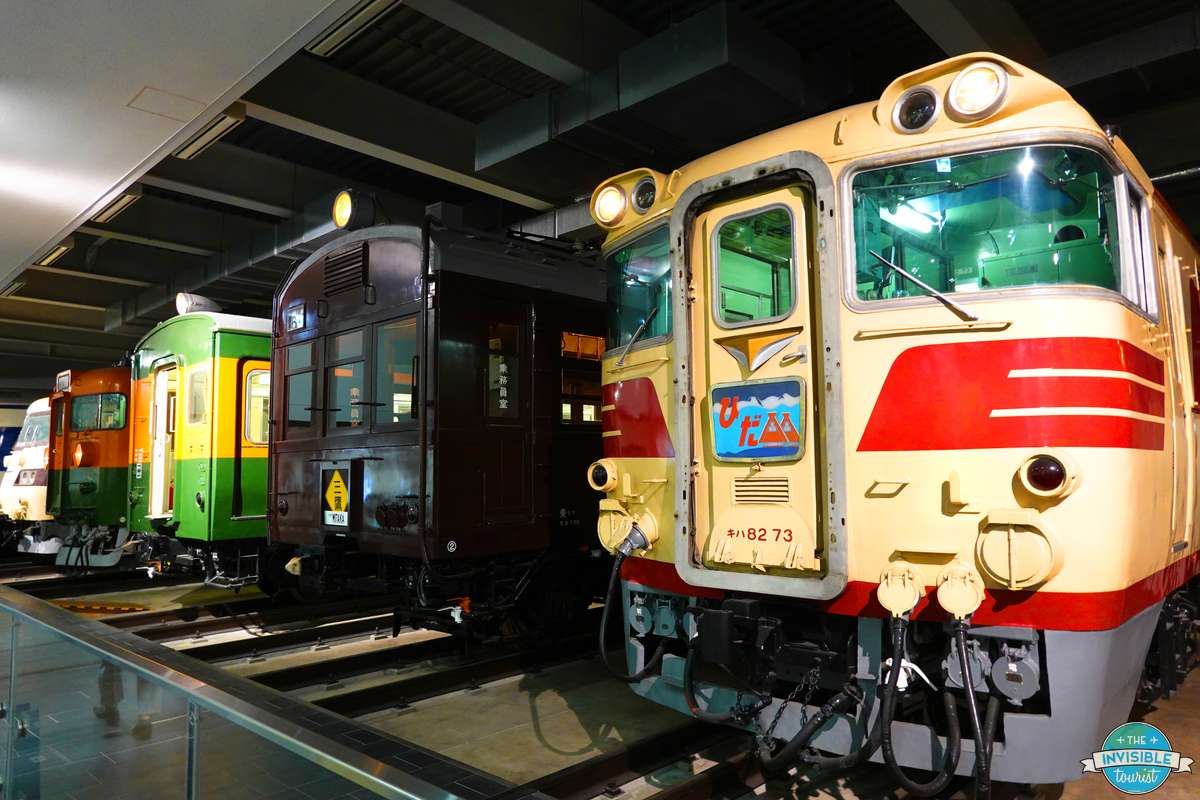
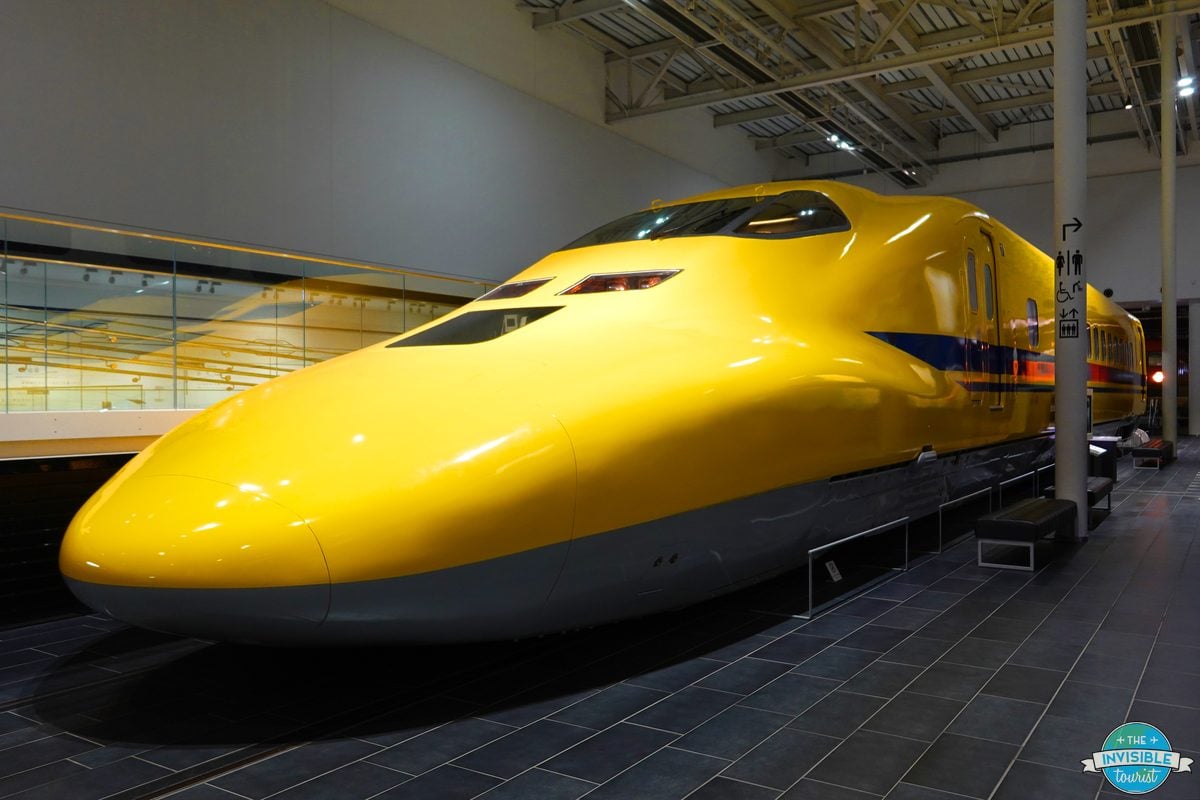
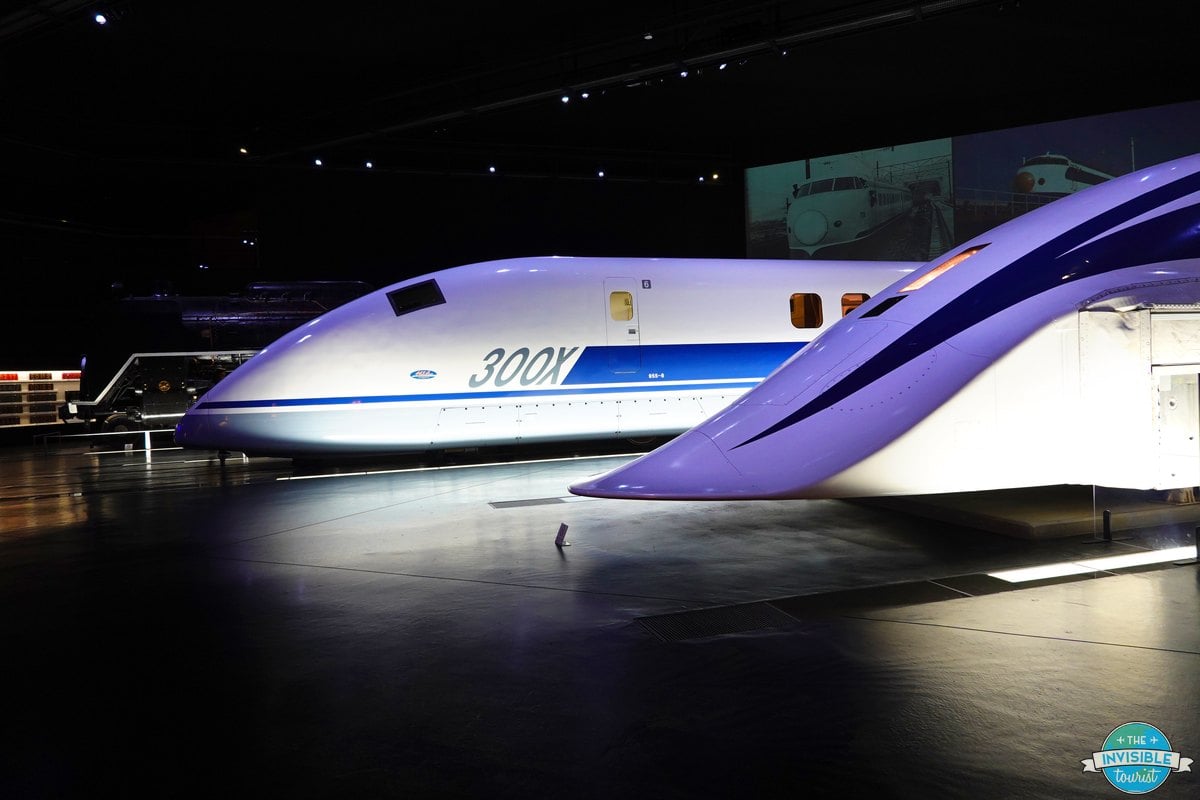
Morning: The SCMaglev and Railway Park is right by Kinjo-futo Station. I visited solo on my second trip, but I’d absolutely recommend it with kids for the number of interactive exhibits.
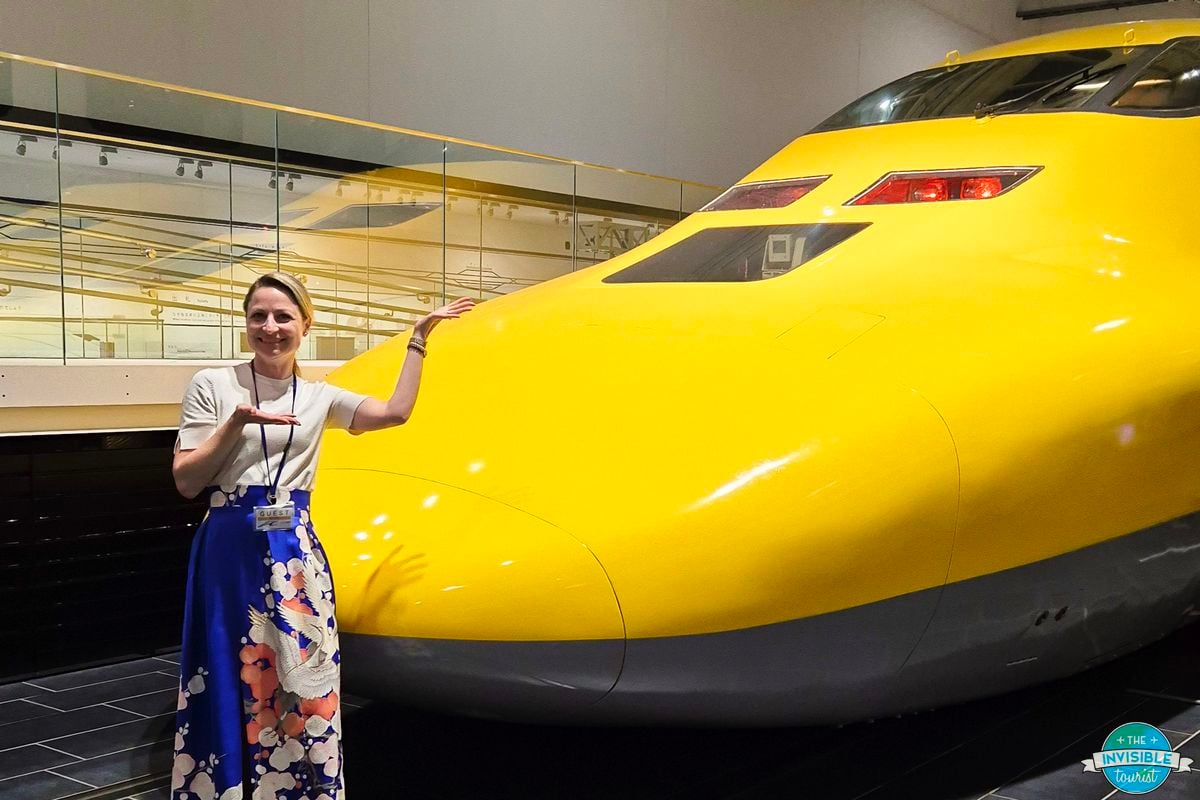
Learn how the Tokaido Shinkansen runs so smoothly, see a rare Dr Yellow cab and a fantastic railway diorama of the route from Tokyo to Osaka, and try for a turn in the life-sized N700 Shinkansen driver’s cab simulator (¥500 for about 15 minutes, by lottery on the day).
The Superconducting Maglev room was my favourite, with a CG maglev ride simulating 500 km/h! Note: Closed Tuesdays, except in school holidays.
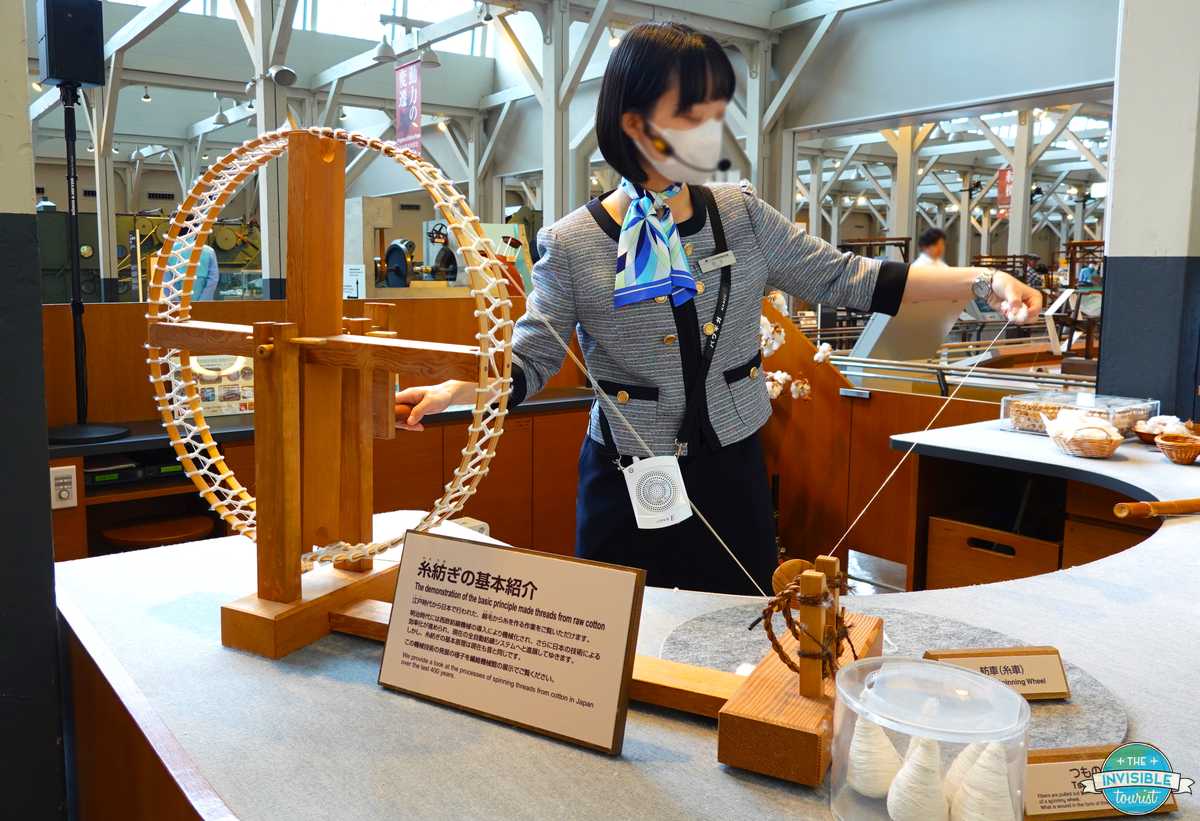
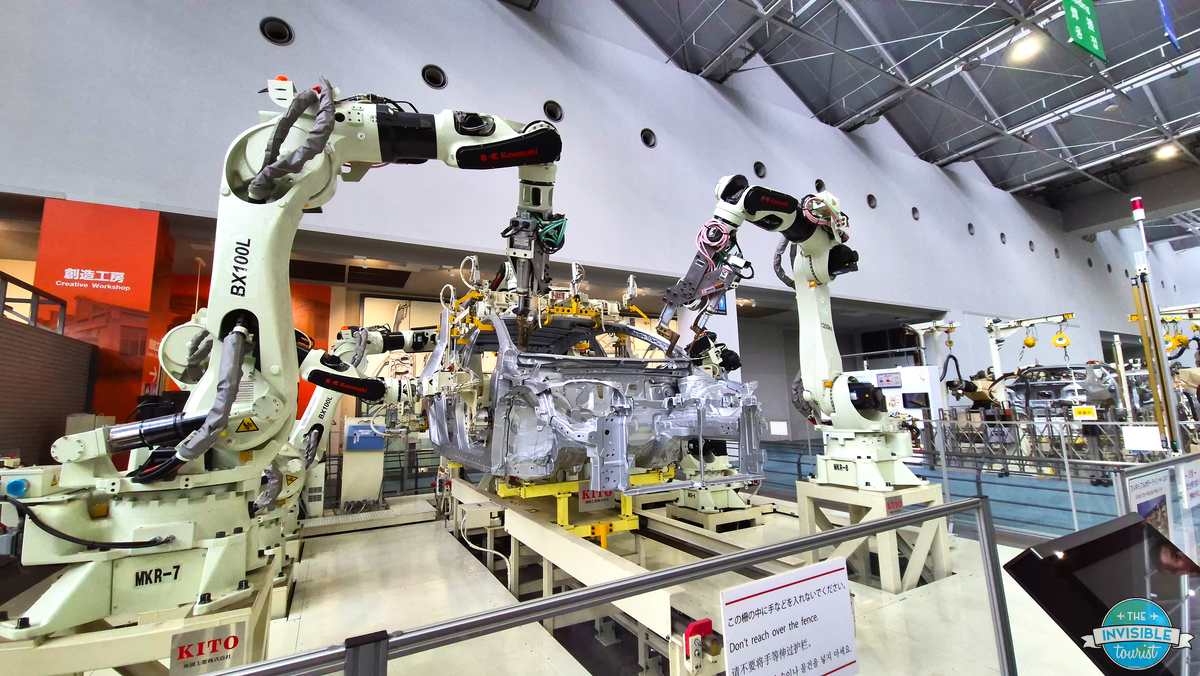
Afternoon: Head back towards Nagoya Station for the Toyota Commemorative Museum of Industry and Technology. I didn’t know Toyota’s origins were tied to weaving! The museum follows Sakichi Toyoda and his son Kiichiro from textile looms to car manufacturing (you’ll learn why the “d” became a “t”).
I’m not a major car enthusiast, but I was so impressed by their ingenuity. There’s a free audio guide and a timetable of demonstrations to watch.
It’s another I’d recommend with kids: Plenty of Japanese school children were there on excursions when I visited. Note: Closed Mondays.

Option 3: The Tokugawa treasures and Osu temples
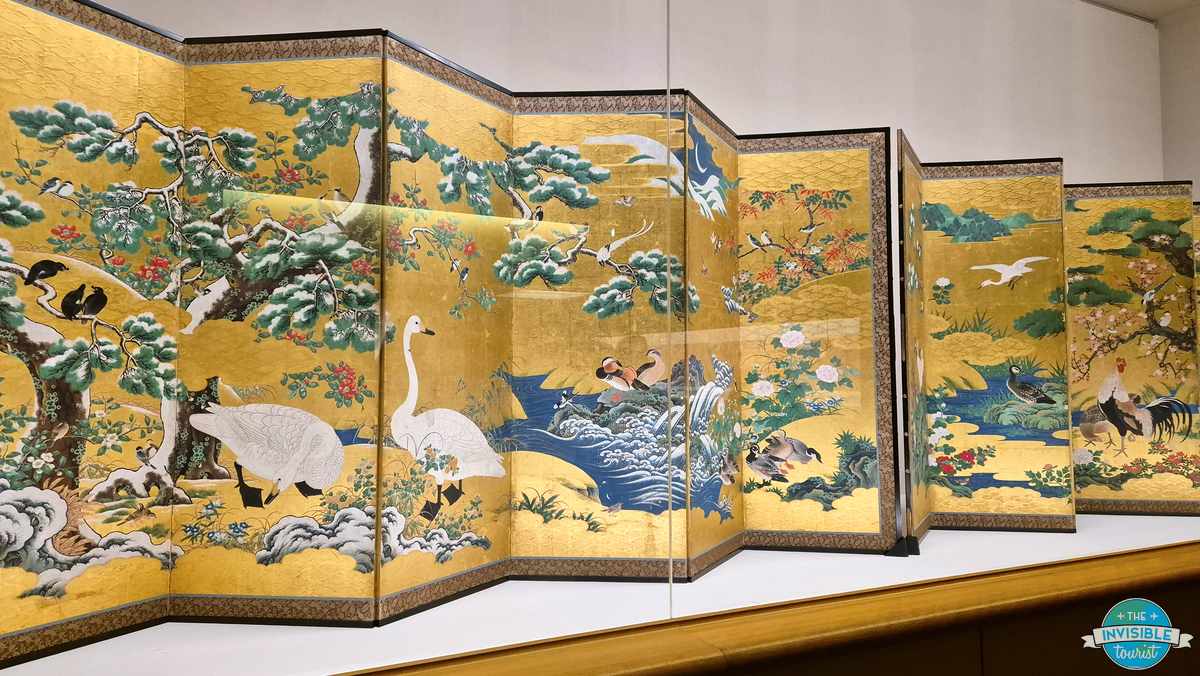
Morning: My fellow history fans won’t want to miss The Tokugawa Art Museum. Opened in 1935, its collection holds over 10,000 artefacts passed down through the descendants of Tokugawa Ieyasu, founder of the Edo Shogunate.
Admire armour, reconstructions of rooms from inside Nagoya Castle, beautifully preserved documents from Japan’s first contact with Europeans, and objects and furnishings from daily life.
I was lucky enough to see Ieyasu’s own teaware, including a solid gold cup weighing 2 kilograms! The exhibits change regularly, so no two visits are the same.
Lunch: Katsumasa Fushimi, where I had a really nice chicken karaage lunch. Craving crunchy tonkatsu (crumbed pork cutlet) instead? It serves some of the best I’ve ever had, including a jumbo size.
Afternoon: Visit Osu Kannon, moved to Nagoya from Gifu by Tokugawa Ieyasu in 1612 and once an important stop for travellers between Kyoto and Edo (now Tokyo), then nearby Banshoji Temple, with its modern LED display above the entrance. Have more time? Across town in Chikusa, Togan-ji Temple has a giant seated green Buddha.
Option 4: A day trip to Tokoname
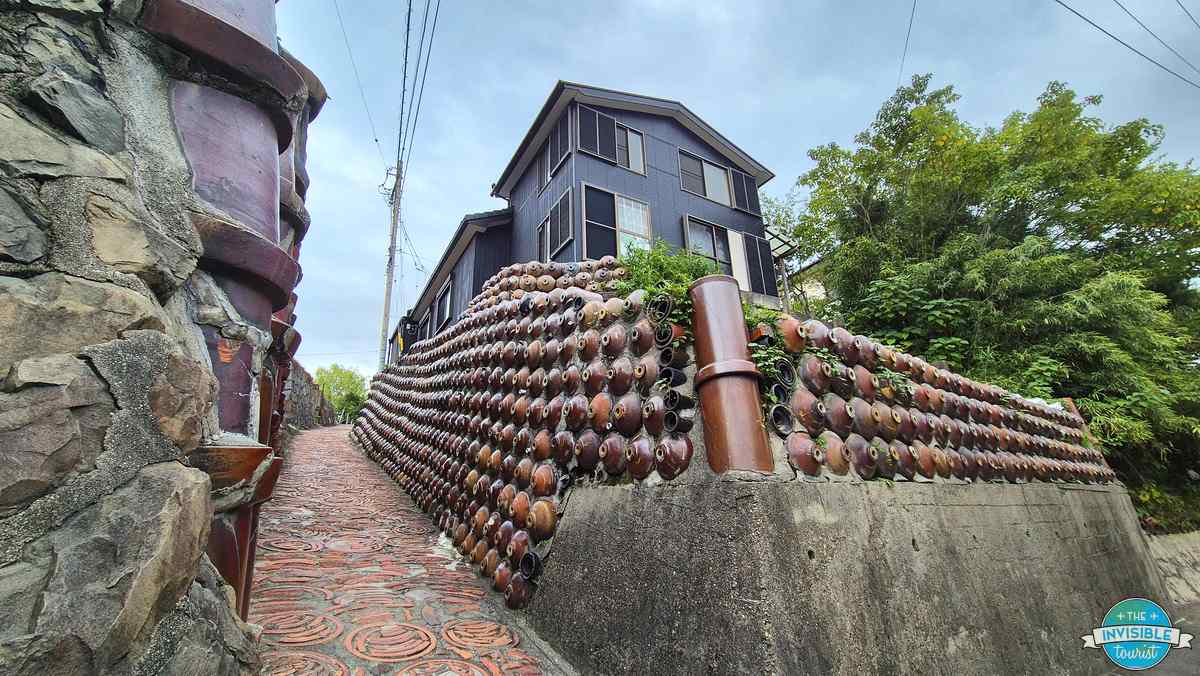
Just 30 minutes by train from central Nagoya, Tokoname is a sleepy pottery town and one of the Six Ancient Kilns of Japan. Follow the Pottery Footpath past laneways lined with ceramic pipes, brick chimneys and old warehouses turned into little shops and cafés.
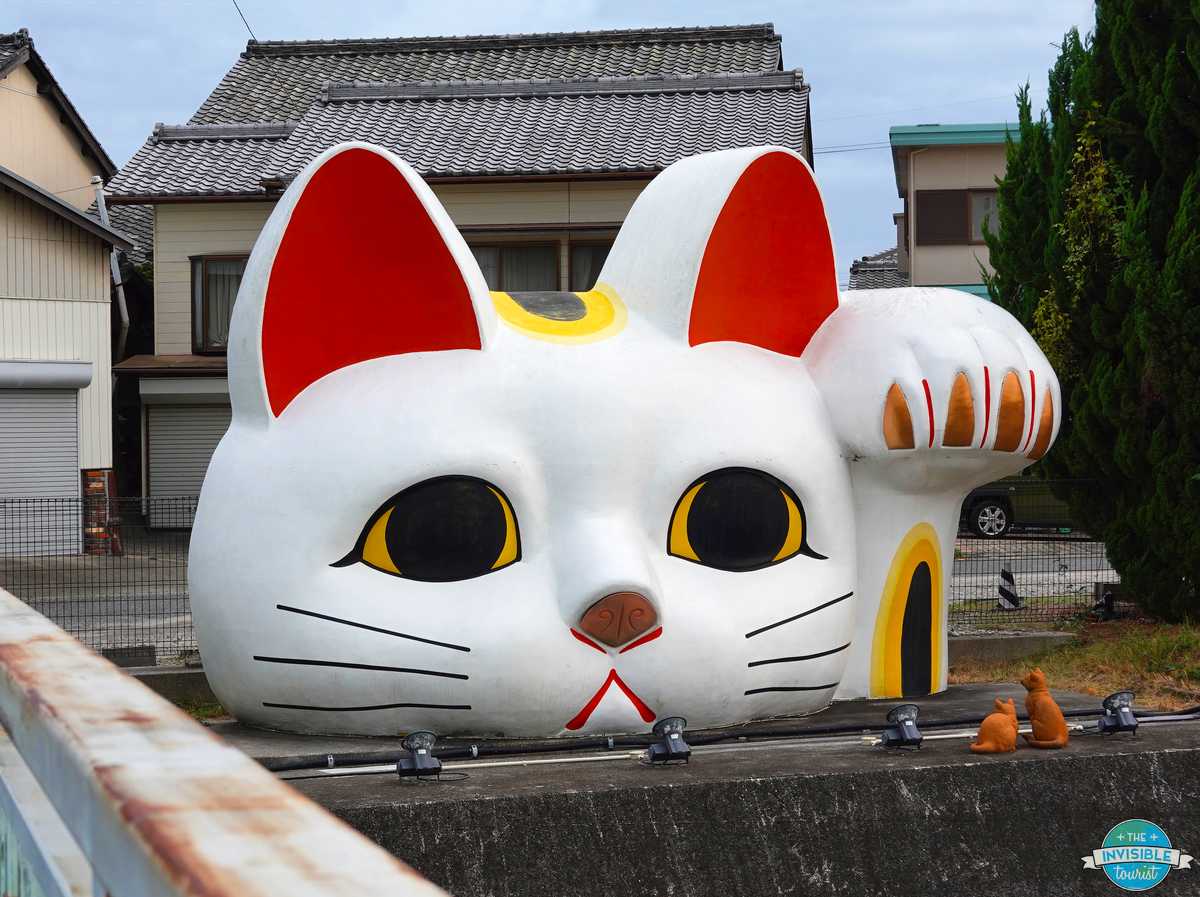
Tokoname makes around 80% of Japan’s maneki-neko (lucky cats), so don’t miss Manekineko-dori Street, with 39 cat sculptures by local artists, or Tokonyan, a giant waving lucky cat’s head. Remember it’s a hidden gem and residential neighbourhood, so please be as invisible as possible!
Want to go further? Nagoya is the gateway to the Japanese Alps, with day trips to Gujo Hachiman, Takayama or Gero Onsen.
Evening (all options): Wagyu and Mirai Tower
Dinner is the best Japanese BBQ of my life, at Yakiniku Tokugawaen. My group arrived at around 17:00 and didn’t need a reservation. Exceptional service, English speaking staff and unbelievably delicious beef, and it even caters to children. I loved the little packs of mouthwash and toothpicks in the bathroom, a nice touch!

Afterwards, head to Sakae, Nagoya’s downtown, to see Mirai Tower, a silver lookalike of Tokyo Tower, colourfully lit up at night. Oasis 21, with its futuristic glass roof, is close by. I only wandered past both, but they make a lovely night walk and photo stop.

Where to eat in Nagoya
Nagoya has one of the biggest foodie scenes in Japan, so much so that it has its own term, Nagoya meshi, for its regional dishes. Why not be a little adventurous and try some of these local specialties?
- Hitsumabushi: Grilled eel with rice, eaten four ways in one.
- Miso nikomi udon: Thick noodles in a miso broth with egg.
- Miso katsu: Fried pork cutlet dripping in red miso sauce, served with cabbage and rice.
- Kishimen: Broad, flat noodles in a dashi-based broth.
Kinshachi Yokocho by the castle gate (day 1) is a great place to start. For a sit-down meal, I loved the chicken karaage at Katsumasa Fushimi (day 2, option 3) and, of course, the wagyu at Yakiniku Tokugawaen (day 2 evening).
Where to stay in Nagoya
Just 5 mins walk to Sakuradori Station on the red metro line, I enjoyed my stay at Grand Base Hotel Chiyokura Nagoya with my family. It’s a little far from the main sights, but it fit all four of us in one room, which is unusual in Japan, so for us it was a worthwhile trade-off. It’s ideal for small groups and families who prefer to be together.
Check prices for Grand Base Hotel Chiyokura →
Need more options? Find alternative hotels in Nagoya here.

Getting to Nagoya
- From Tokyo: 1 hour 35 mins on the Nozomi shinkansen (bullet train). With a Japan Rail Pass, take the slightly slower Hikari at no extra cost, as the Nozomi needs an extra ticket for pass holders. Choose a seat on the right side for the chance to see Mt Fuji!
- From Hiroshima: About 2 hours 15 mins on the Nozomi. Pass holders take a Hikari or Sakura to Shin-Osaka and change to a Hikari for Nagoya.
- Skip the ticket queues: Book through Shinkansen Online Reservation and go through the gates with a QR code (step by step in my one week in Japan itinerary).
Getting around Nagoya
I used a mix of taxis, walking and trains on both trips. Pick up a Suica or Welcome Suica IC card when you arrive in Japan for the subway and local trains, and don’t be shy about a short taxi between sights to save your legs (and little ones’ legs).
Nagoya with kids
I’ve done Nagoya with my kids, and it’s one of the easiest cities in Japan for families:
- Legoland instead of Tokyo Disney or Universal Studios Japan: A day of rides, not queues (Day 2, option 1).
- Hands-on museums: The SCMaglev and Railway Park, Nagoya City Science Museum, and the Toyota museum are all interactive, and Japanese school groups love them (Day 2, option 2).
- A room for everyone: Grand Base Hotel Chiyokura fit all four of us in one room, which is difficult to find in other Japanese cities.
- Early dinners: Yakiniku Tokugawaen caters to children, and arriving around 17:00 means no booking needed.
Is 2 days in Nagoya enough?
For the highlights, yes. For too long I somewhat believed the stereotype that there wasn’t much to see in Nagoya, but now I’ve been twice, it has left me wanting to go back for more! Hommaru Palace was the highlight for me both trips, followed by that scrumptious wagyu dinner, and the preserved streets, shrines and museums were a delight to discover.
Nagoya also sits right on the shinkansen line between Tokyo and Kyoto, so it slots easily into a longer trip. If it came down to it, I would much prefer to skip the crowds in Osaka and base myself in Nagoya. This is why I’ve included it as the last stop before Tokyo in my 2 week Japan itinerary.
So after all that’s been said, will you be adding Nagoya city to your Japan itinerary? Let me know in the comments below.
More travel guides you might enjoy
If you enjoyed this Nagoya travel itinerary, be sure to check out these other guides packed with travel tips:
- Is Nagoya worth visiting? 7 lesser-known reasons to go
- Legoland Nagoya review: Fun with fewer crowds in Japan
- One week in Japan’s Tokai region itinerary
- 2 weeks in Japan itinerary for first-timers
- Gujo Hachiman day trip itinerary
- My comprehensive Japan travel blog, covering 83% of the country from all my trips.
Feeling social? Explore beyond the main touristy sights with my dedicated Japan Off the Beaten Path Facebook group or come and join me on Facebook, YouTube, Pinterest, TikTok and Instagram for more Japan travel inspiration!
Until next time,

Like it? Pin it!
This 2 day Nagoya itinerary contains some affiliate links. I may earn a small commission if you decide to make a purchase and if you do, thanks for your support! This helps with the costs of running my blog so I can keep my content free for you. As always, I only recommend a product or service that I genuinely love and use myself!