
Breathtaking Nezu Shrine, Tokyo: Torii Tunnel, Azalea Festival & Tips for Visiting
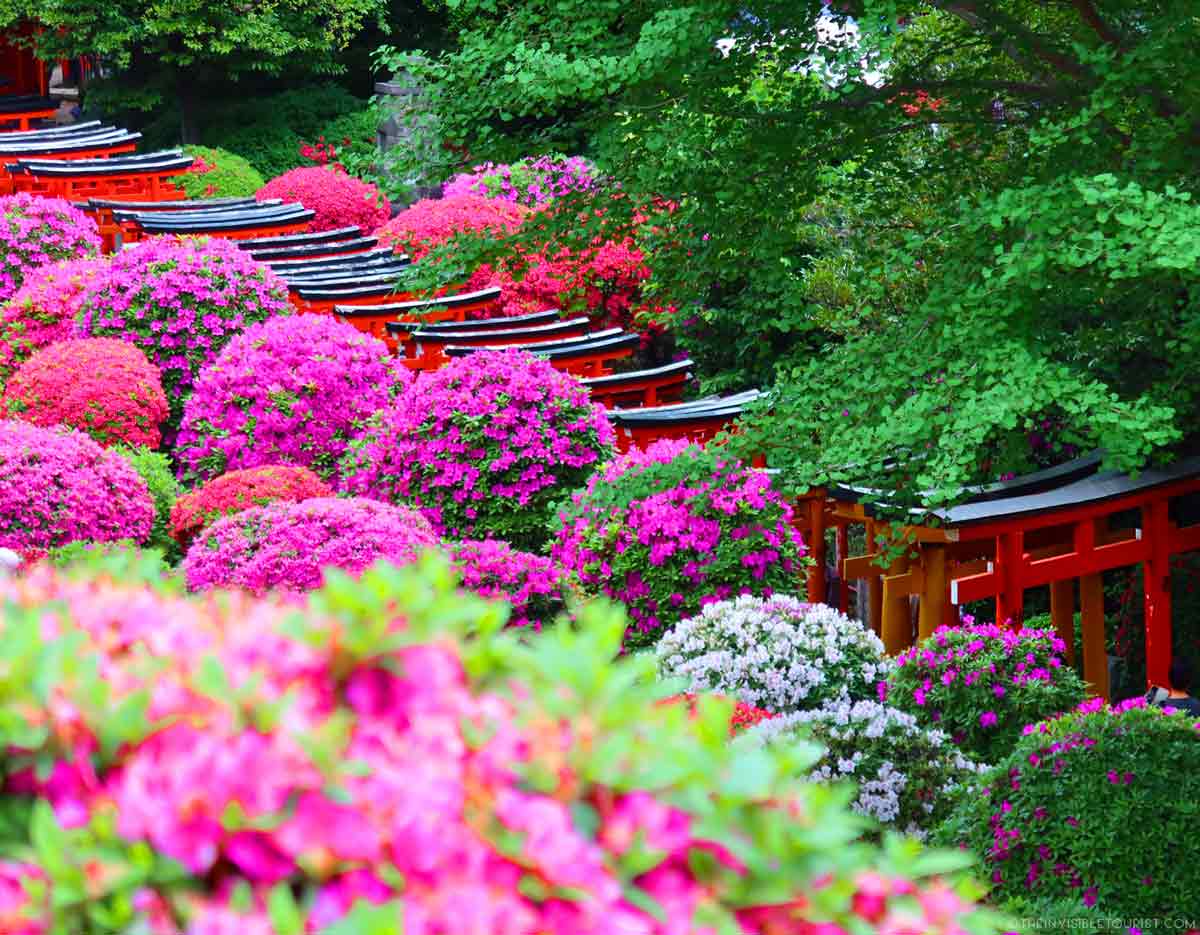
Tucked away in Tokyo’s old Yanesen neighbourhood, Nezu Shrine (根津神社, Nezu-jinja) is one of the oldest and most beautiful Shinto shrines in the city. A tunnel of vermilion torii gates that rival Kyoto’s Fushimi Inari on a small scale, and a hillside of around 3,000 azaleas bursting into colour every April are the jewels in its crown.
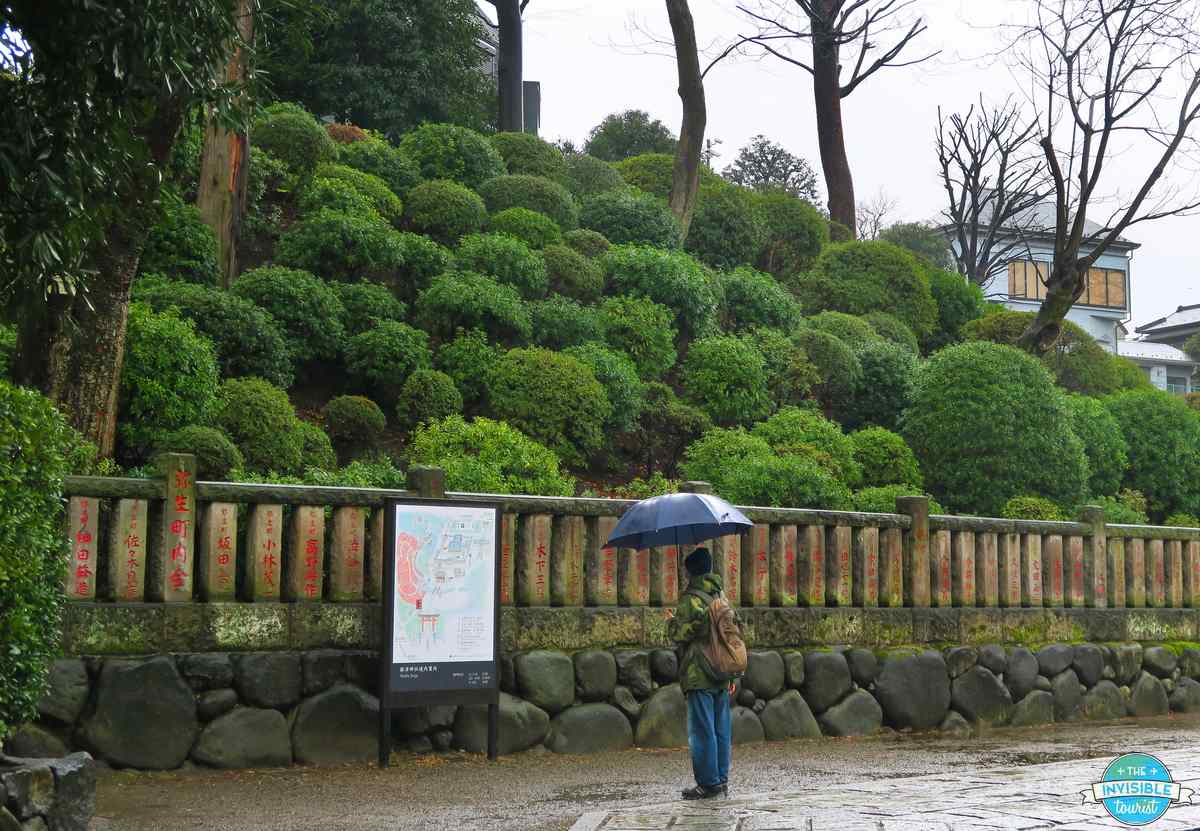
I first visited on a grey, rainy day in March 2020, to the sound of raindrops hitting my clear konbini umbrella. Even without a single azalea in bloom, the shrine was so beautiful, and I made a vow to come back at peak colour someday. Just a few days later, borders around the world slammed shut and we all know what happened next.
It took four years, but in April 2024 I finally stood on that hillside again. This time, colour came rushing back into my world a billion times over.
So, is Nezu Shrine worth visiting? Absolutely, and especially in azalea season. In this guide I’ll share what to see, everything you need to know about the Azalea Festival, the best time to go to avoid the crowds, how to get there and what to do nearby. Read on for more!
This post contains affiliate links, at no extra cost to you. I may earn a small commission if you click through and make a purchase.
Nezu Shrine at a glance
Short on time? Here are the essentials for visiting Nezu Shrine in Tokyo.
- Where: 1-28-9 Nezu, Bunkyo ward, in the old Yanesen neighbourhood (Yanaka, Nezu and Sendagi) near Ueno
- Japanese name: 根津神社 (Nezu-jinja)
- Entry: Free, no tickets needed. Only the azalea garden section charges a fee during the Azalea Festival
- Gate hours: 6:00am to 17:00 (November to January), 6:00am to 17:30 (February), 6:00am to 18:00 (March), 5:30am to 18:00 (April, May and September), 5:00am to 18:00 (June to August), 5:30am to 17:30 (October)
- Amulet and goshuin office: Opens 9:30am (9:00am on Sundays and public holidays), closes between 16:30 and 17:30 depending on the month
- Azalea Festival: Throughout April (1 to 30 April in 2026). The azalea garden is open 9:00am to 17:30 and costs 500 to 1,000 yen, depending on how well the azaleas are blooming
- Nearest stations: Nezu or Sendagi (Chiyoda Line) and Todaimae (Namboku Line), each about a 5 mins walk
- Time needed: About 1.5 hours in azalea season, less at other times of year.
Things to see at Nezu Shrine
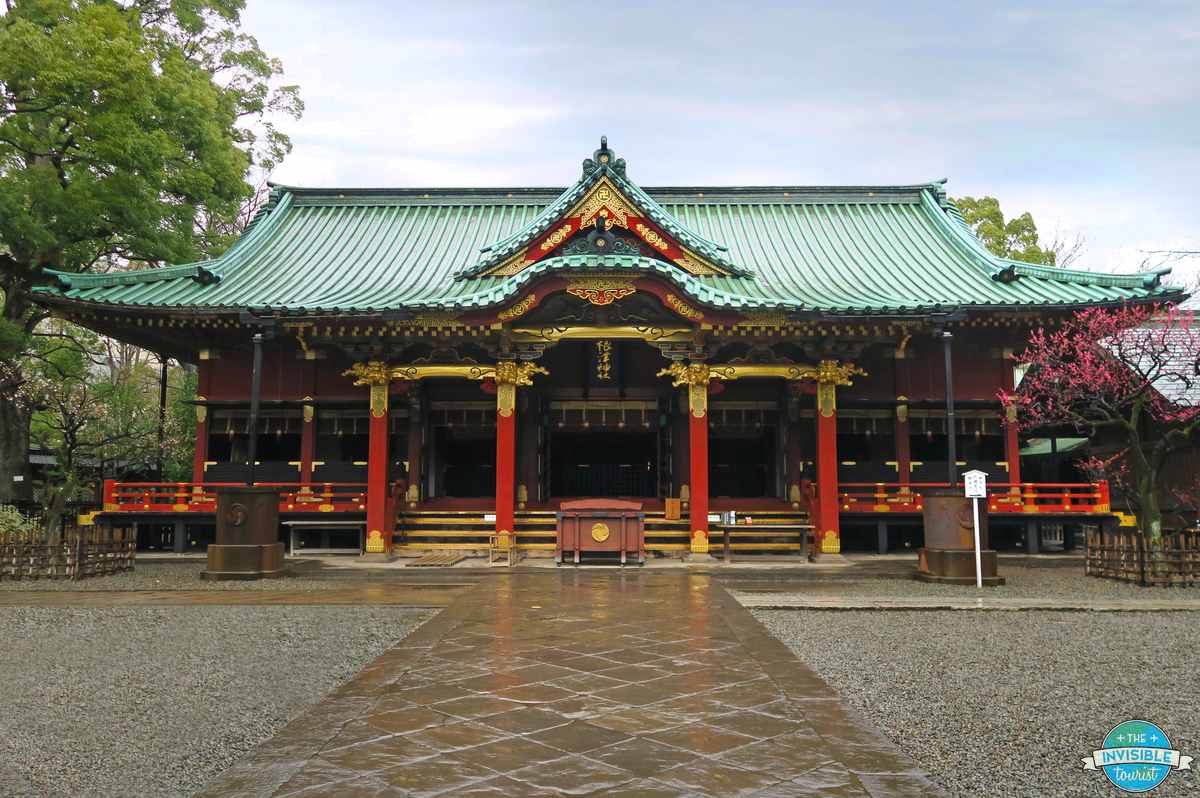
Legend says Nezu Shrine was founded around 1,900 years ago. Its current buildings were completed in 1706 on the orders of the fifth shogun, Tokugawa Tsunayoshi, and seven of them have survived Edo’s great fires, the 1923 Great Kanto Earthquake and World War II air raids. Today they’re National Important Cultural Properties. It’s also one of the Tokyo Ten Shrines (Tokyo Jissha), a group of the city’s most important shrines.
Otome Inari Shrine and the torii gate tunnel
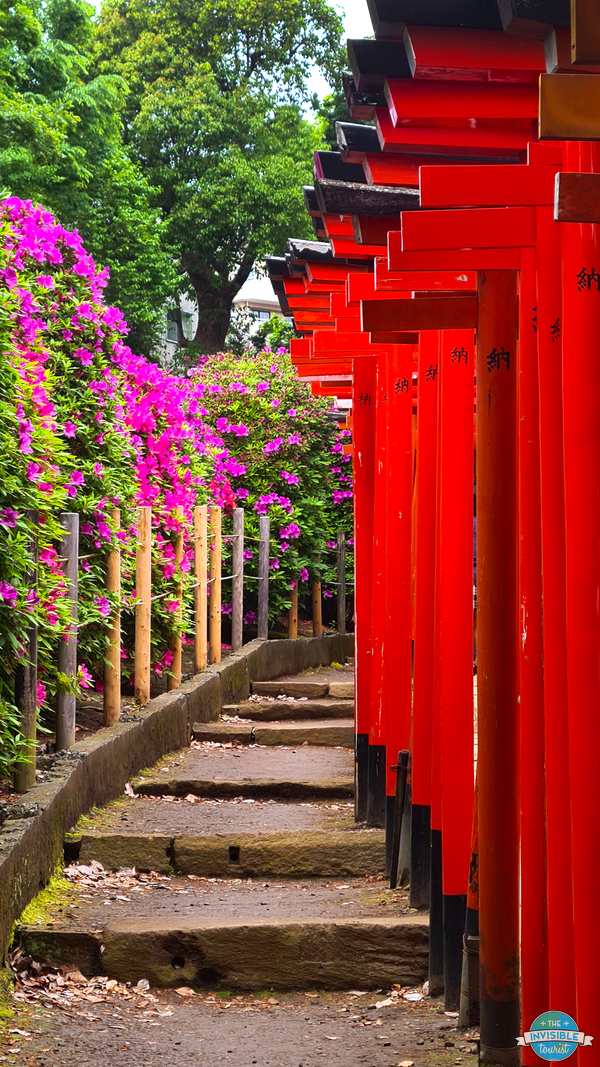
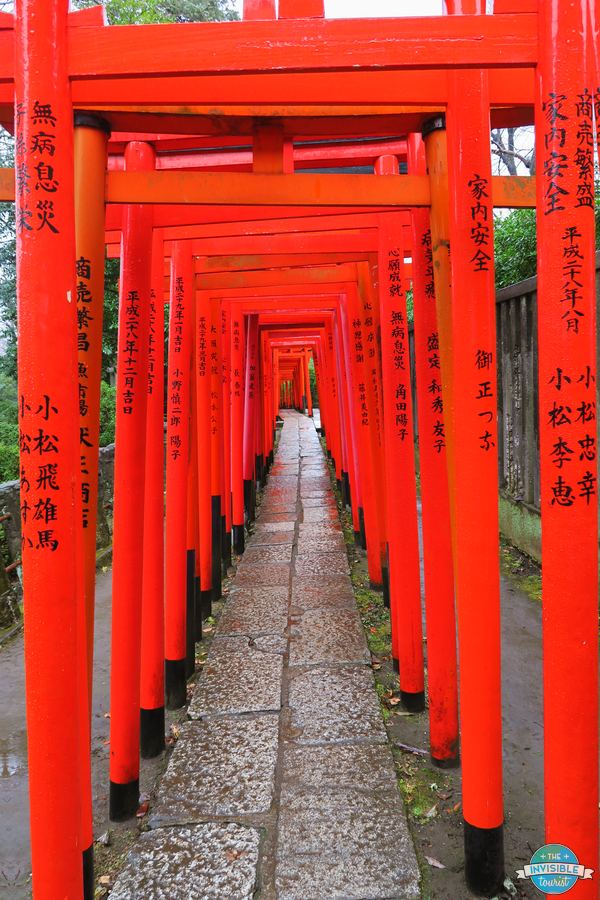
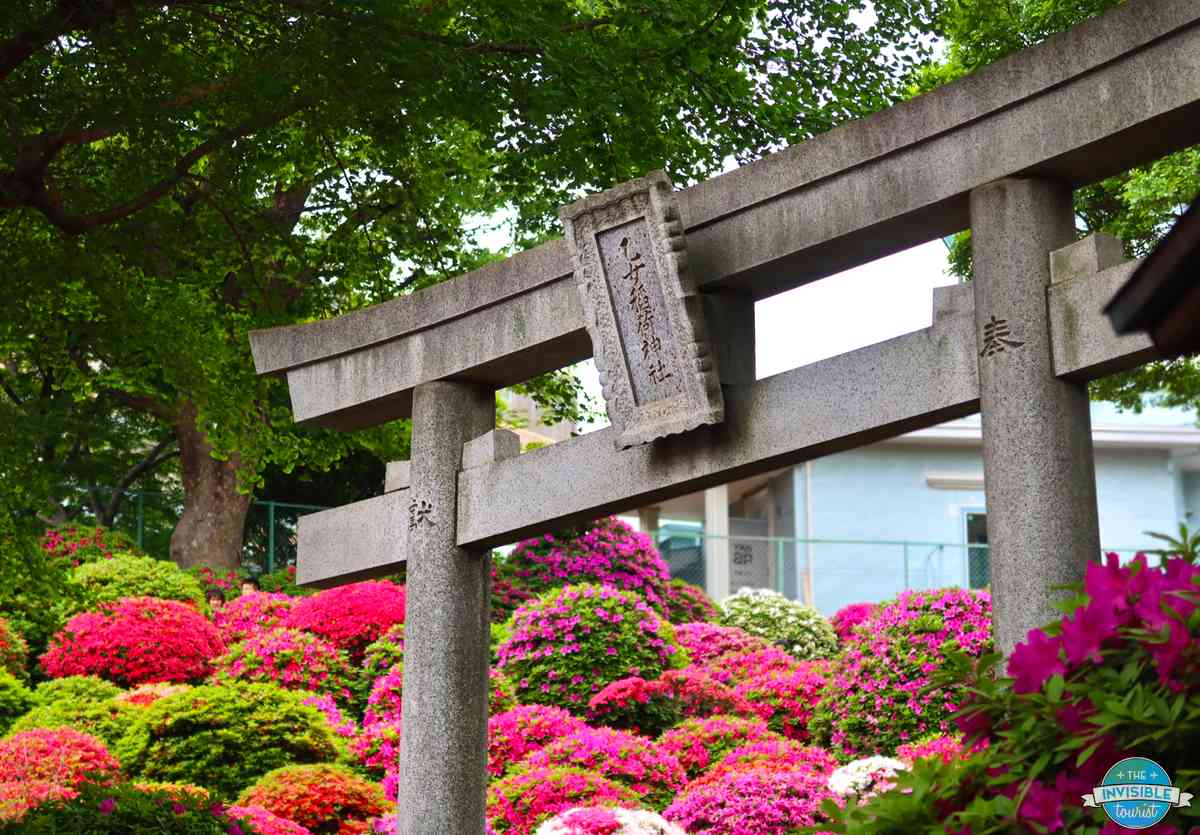
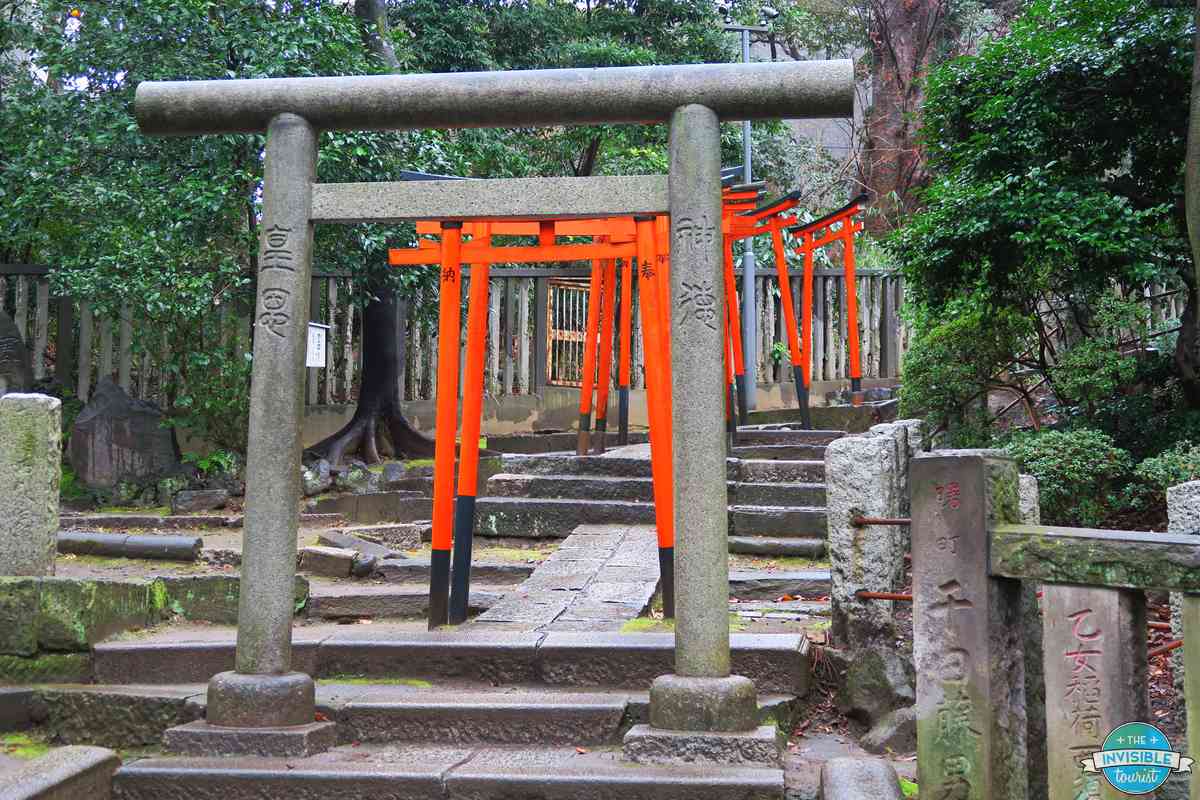
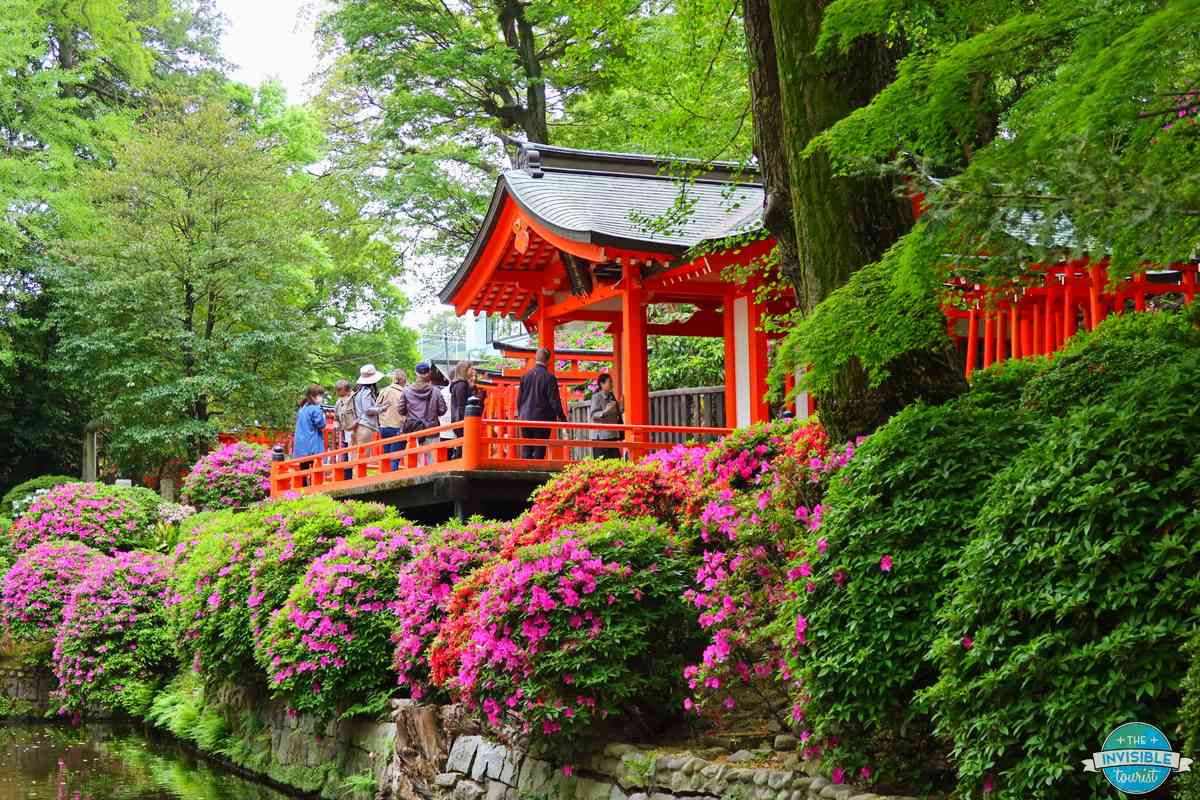
A tunnel of vermilion torii gates (senbon torii) climbs the hillside to Otome Inari Shrine, dedicated to Inari, the kami of rice and prosperity. If you’ve walked through Fushimi Inari in Kyoto, it will feel familiar on a smaller scale. The tunnel here is narrower but the gates aren’t as tightly packed together.
The tunnel was busy when I visited, as expected during the Tsutsuji Matsuri (azalea festival). My tip is to step outside it and walk along the outer side, where you can photograph the gates with no one in them.

Romon tower gate
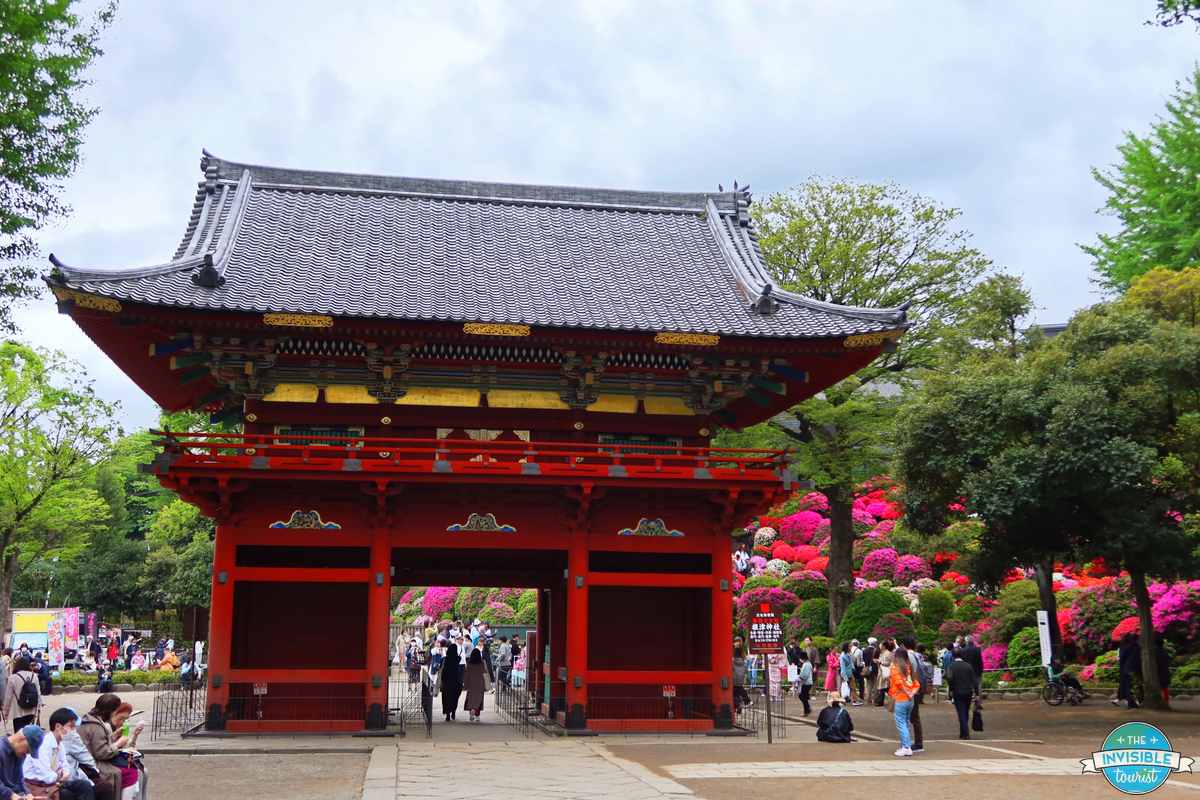
The two-storey Romon gate is the grand entrance to the inner grounds. Look up at the two zuishin (warrior guardian statues) standing either side, holding their bows and arrows.
Karamon gate and the main hall
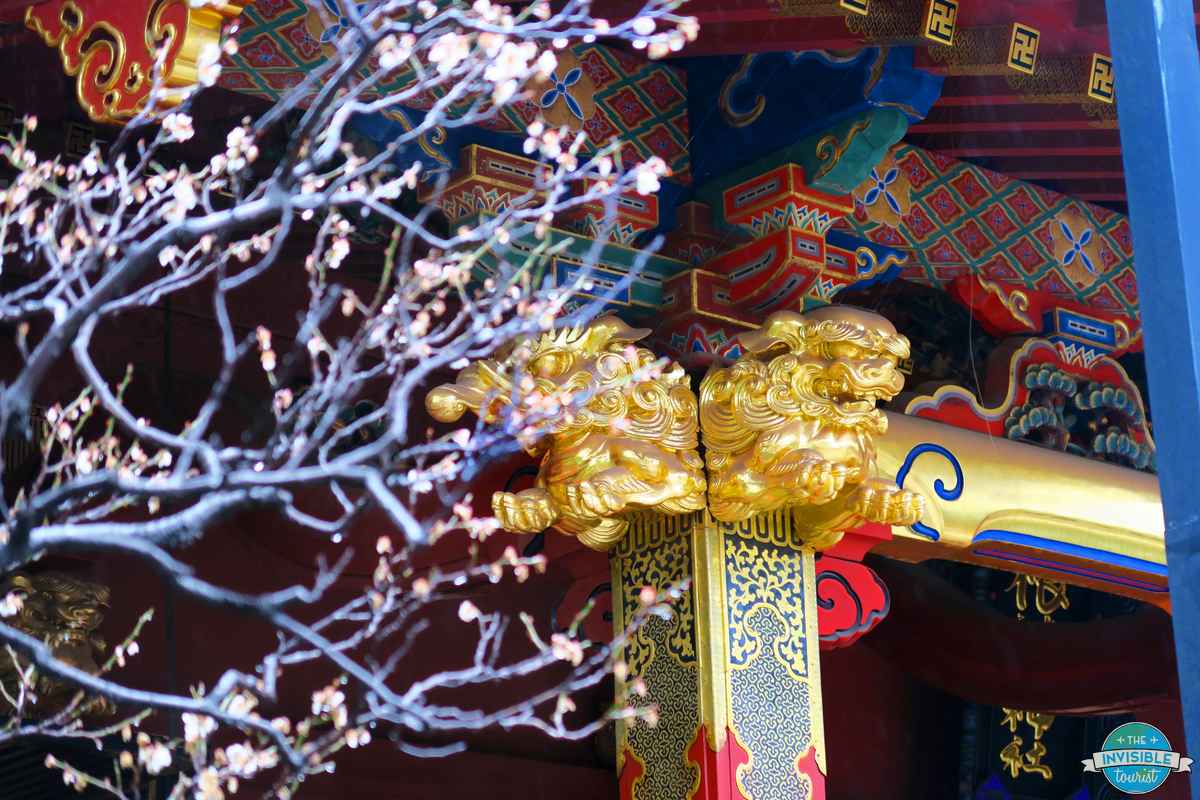
Beyond the Karamon gate, a long latticed wall surrounds the main hall. The hall is built in the gongen-zukuri style, the same style as the famous Toshogu Shrine in Nikko. The worship hall, offering hall and main sanctuary are joined under one roof.
What stopped me in my tracks here were the ornate gold details against the deep vermilion.
NOTE: Photography isn’t allowed on the stone path directly in front of the main hall anymore. Take your photos from the side or from beyond the Karamon gate instead.
The koi pond and bridges
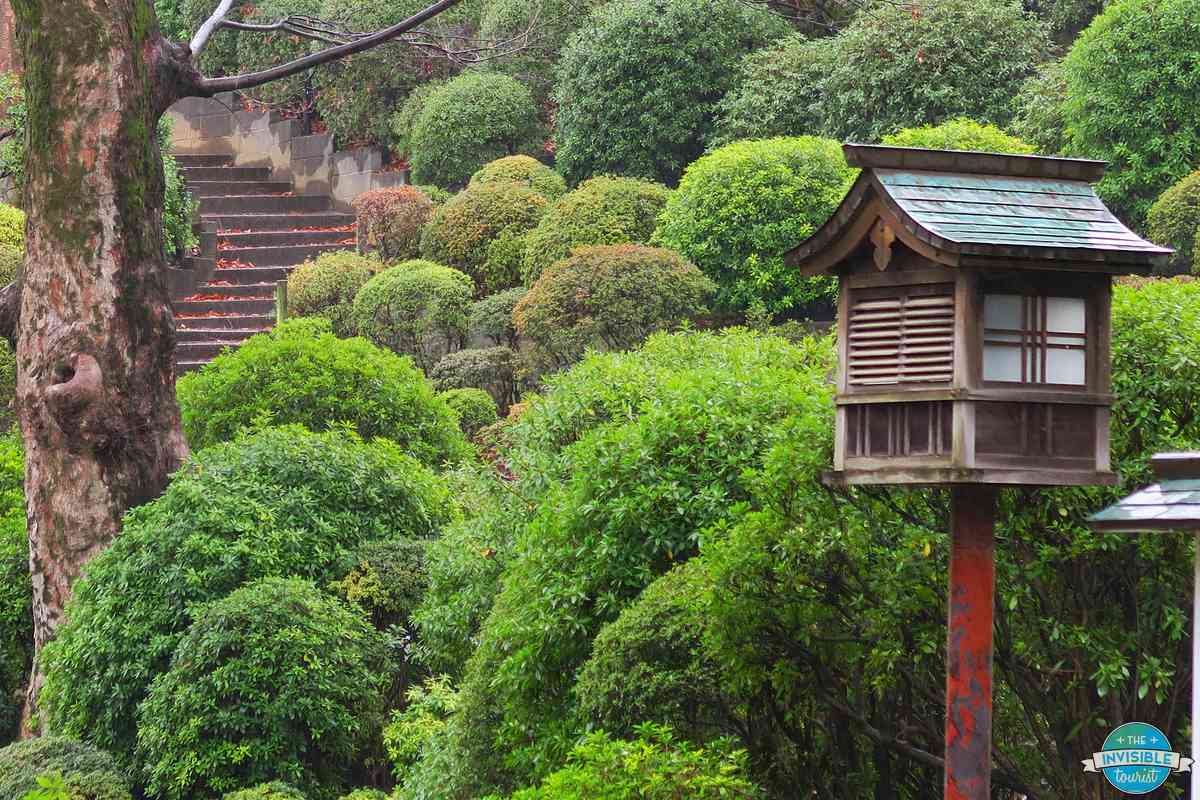
Below the main buildings, bridges cross a pond where koi and turtles swim beneath the surface, and a wooden viewing platform looks out over the water. Even on my rainy first visit, with raindrops pooling on the evergreen azalea leaves, this corner of the shrine had its own kind of magic.
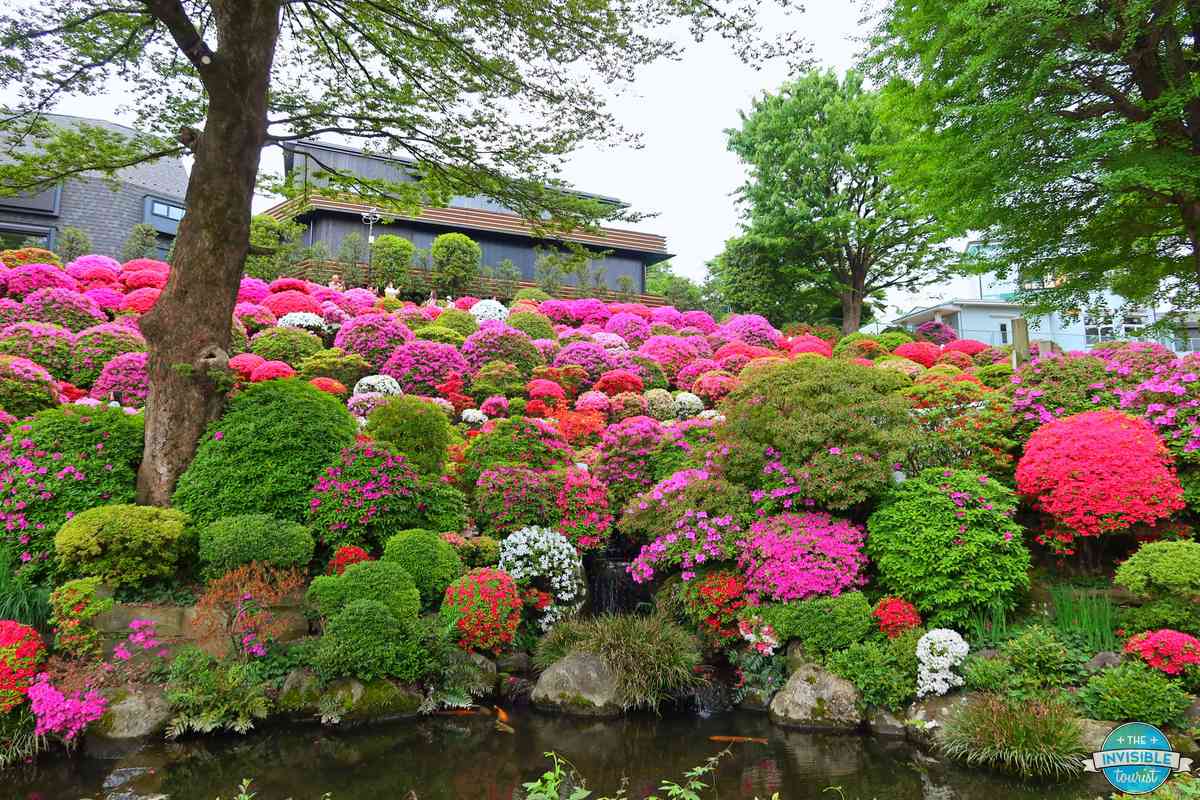
Nezu Shrine Azalea Festival (Bunkyo Tsutsuji Matsuri)
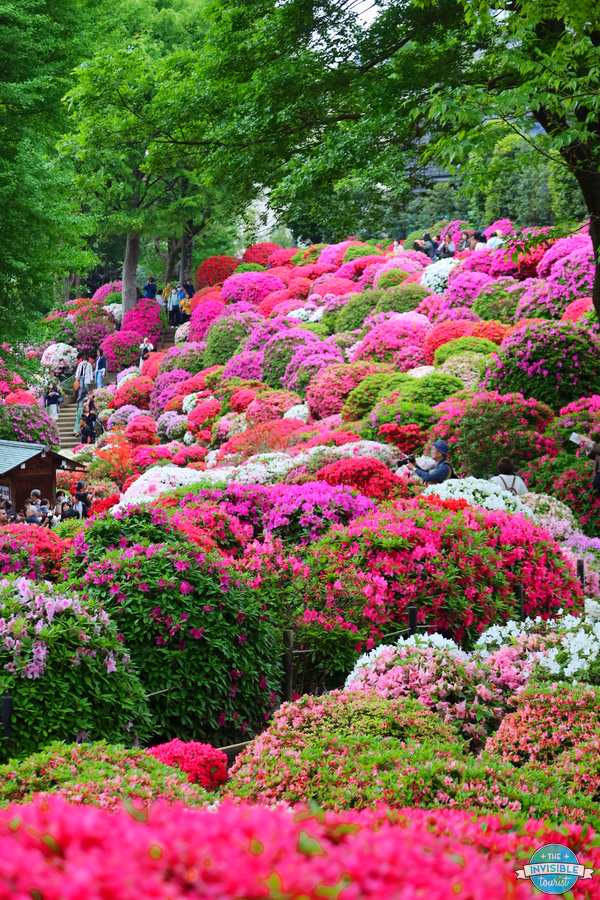
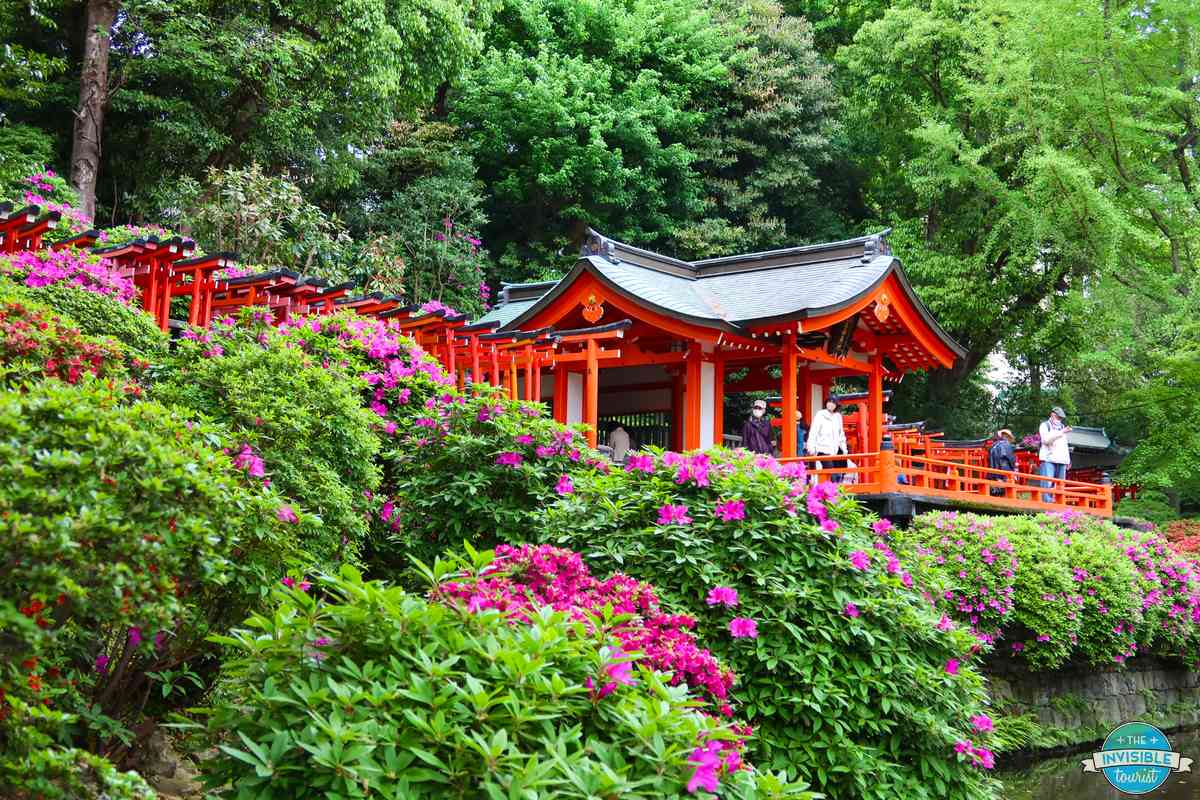
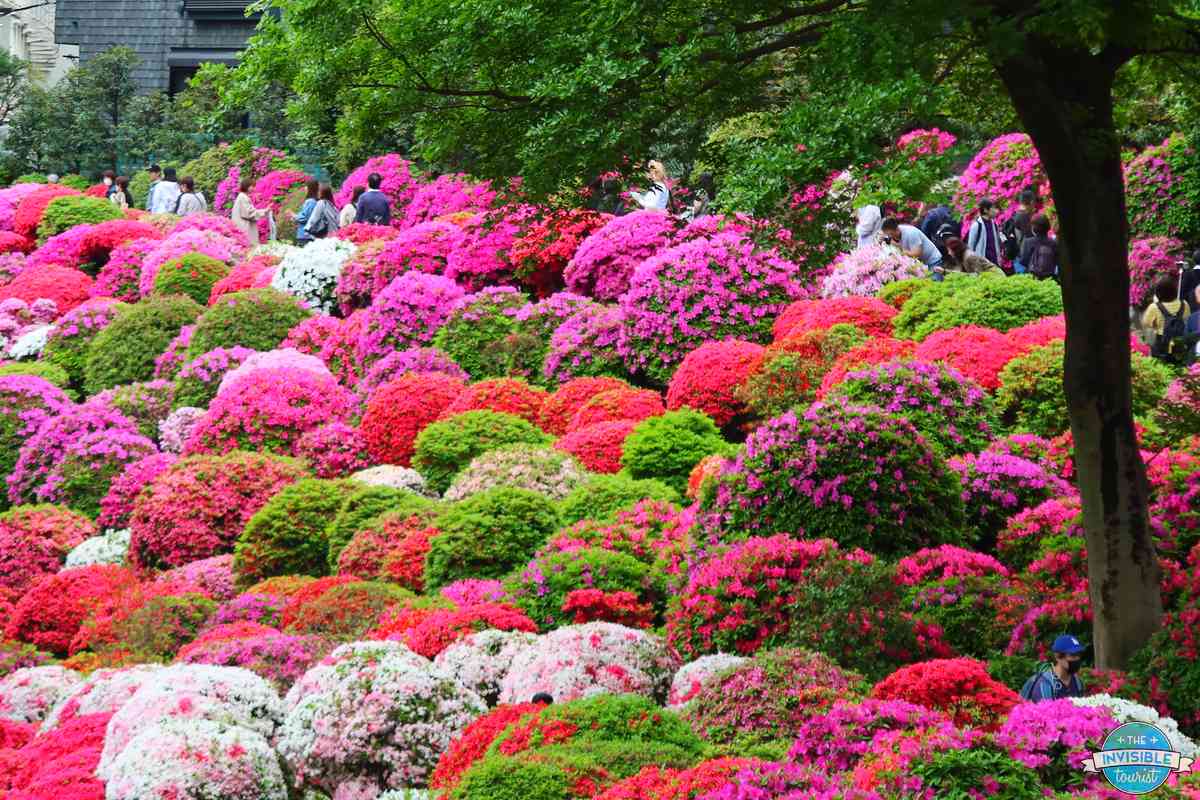
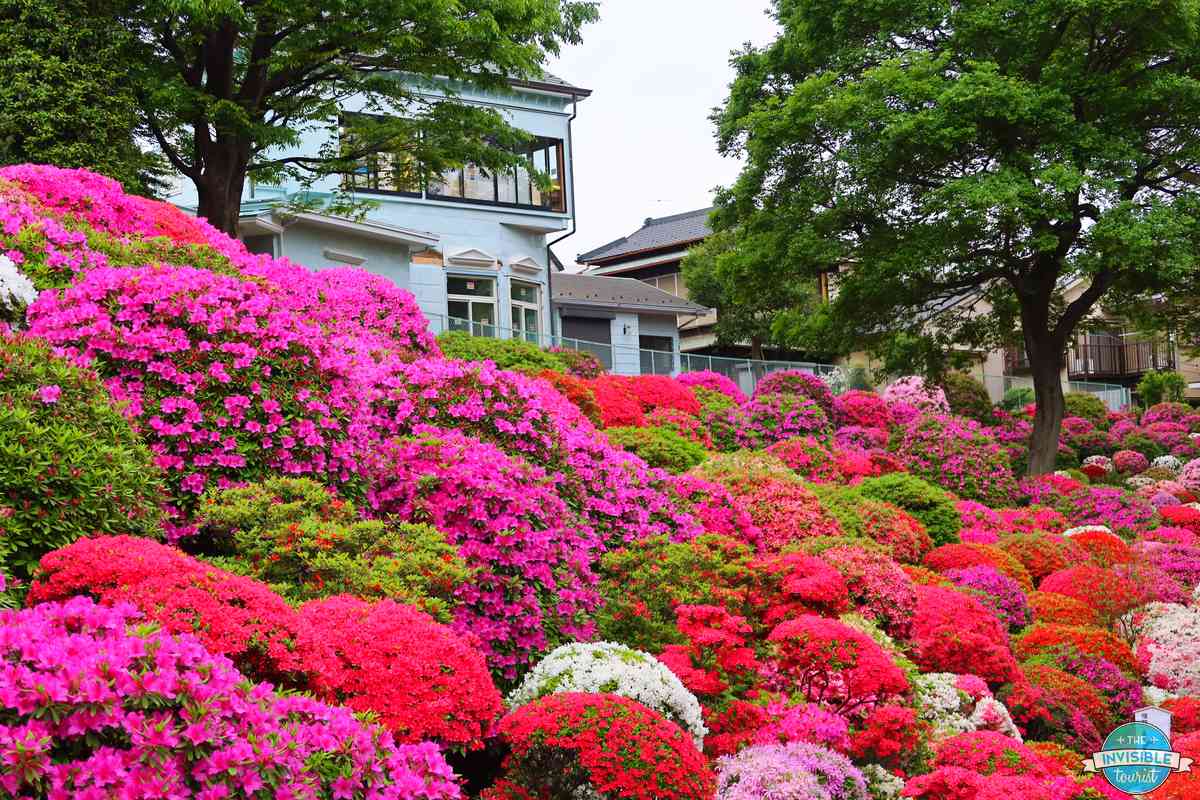
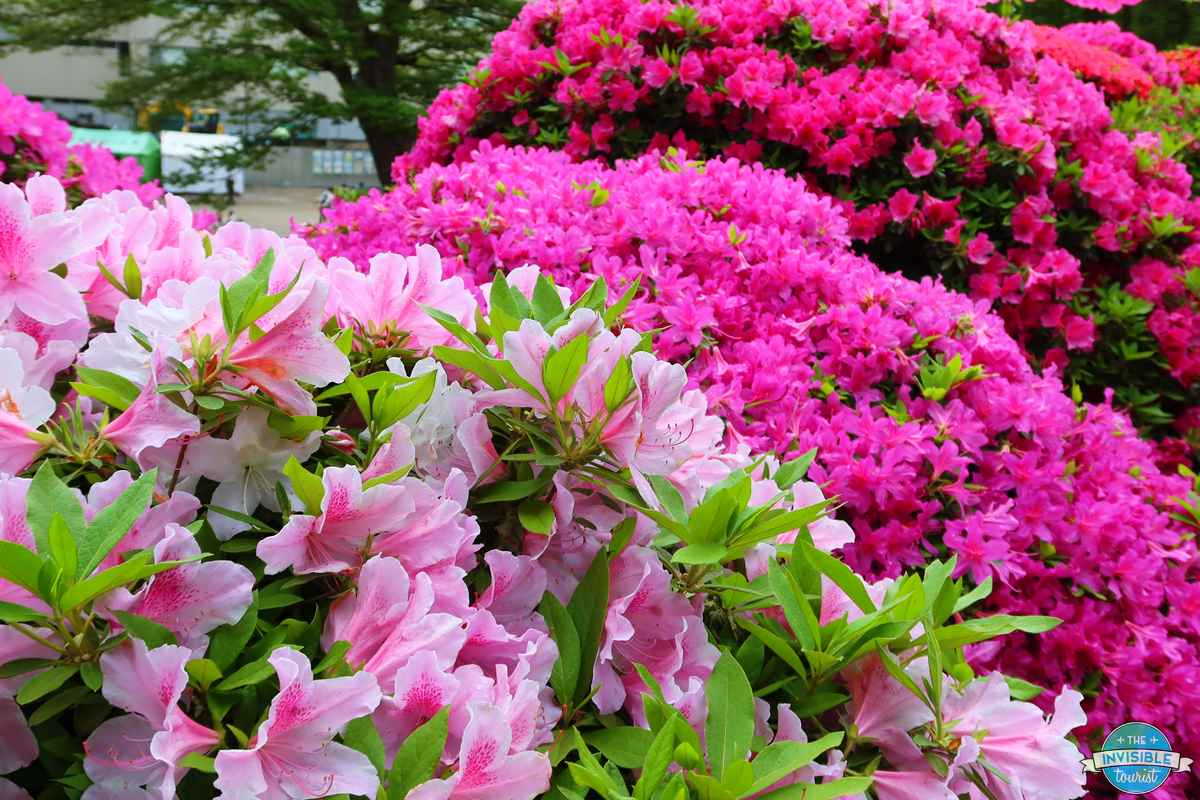
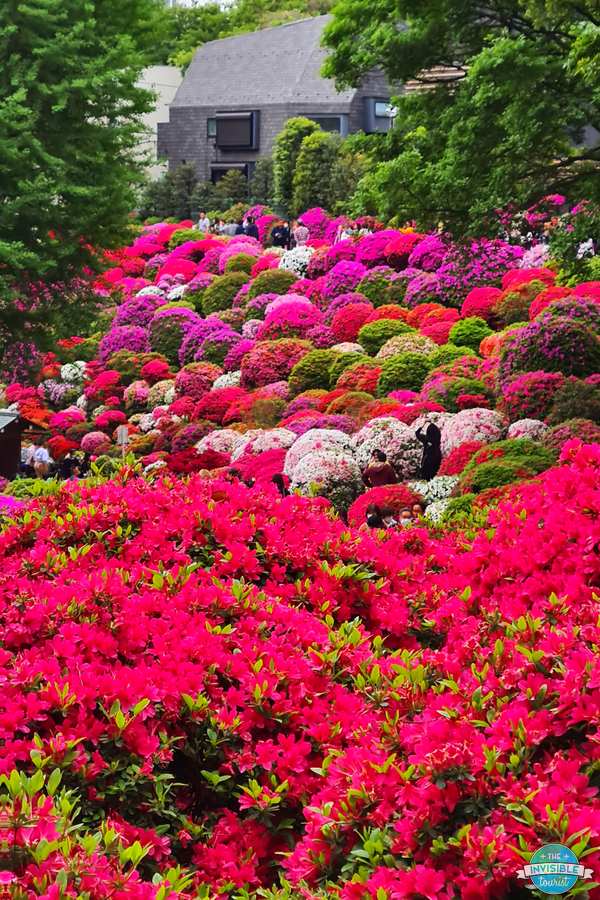
Every April, Nezu Shrine holds the Bunkyo Tsutsuji Matsuri (Azalea Festival). Tsutsuji is Japanese for azalea, and around 3,000 of them, from about 100 different varieties, cover a 6,600 square metre hillside beside the shrine. The garden has been growing for over 300 years and includes rare varieties such as the tiny-flowered fuji-tsutsuji and almost black azaleas.
Entry to the shrine itself is free, but the azalea garden on the hillside charges a fee during the festival (500 to 1,000 yen), depending on how well the azaleas are blooming. I paid 500 yen, and it was worth it one hundred times over.
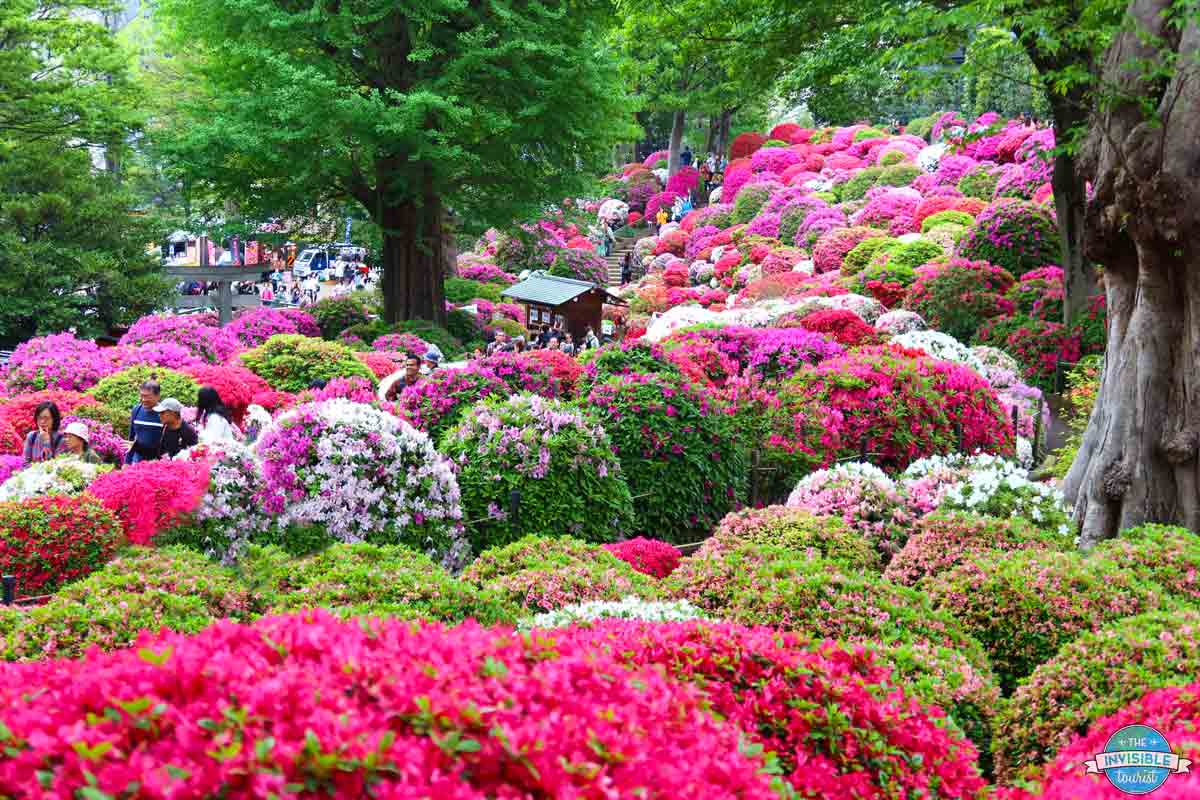
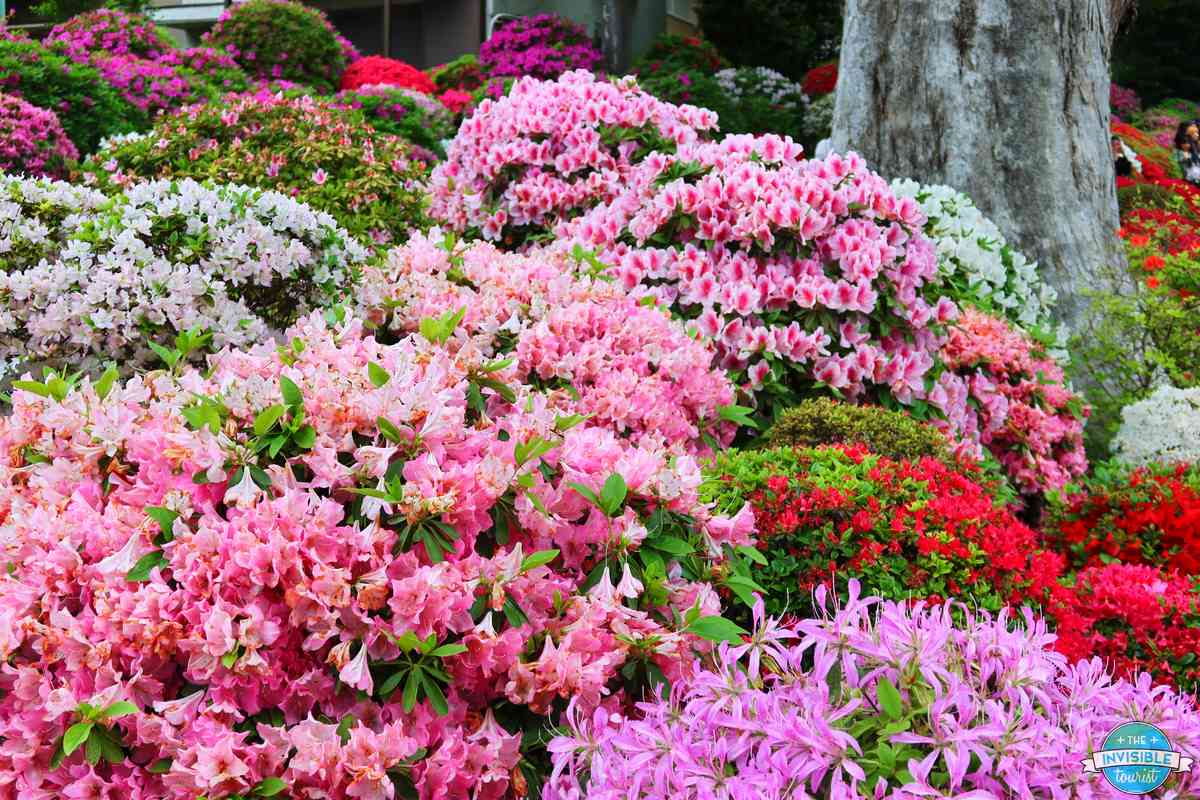
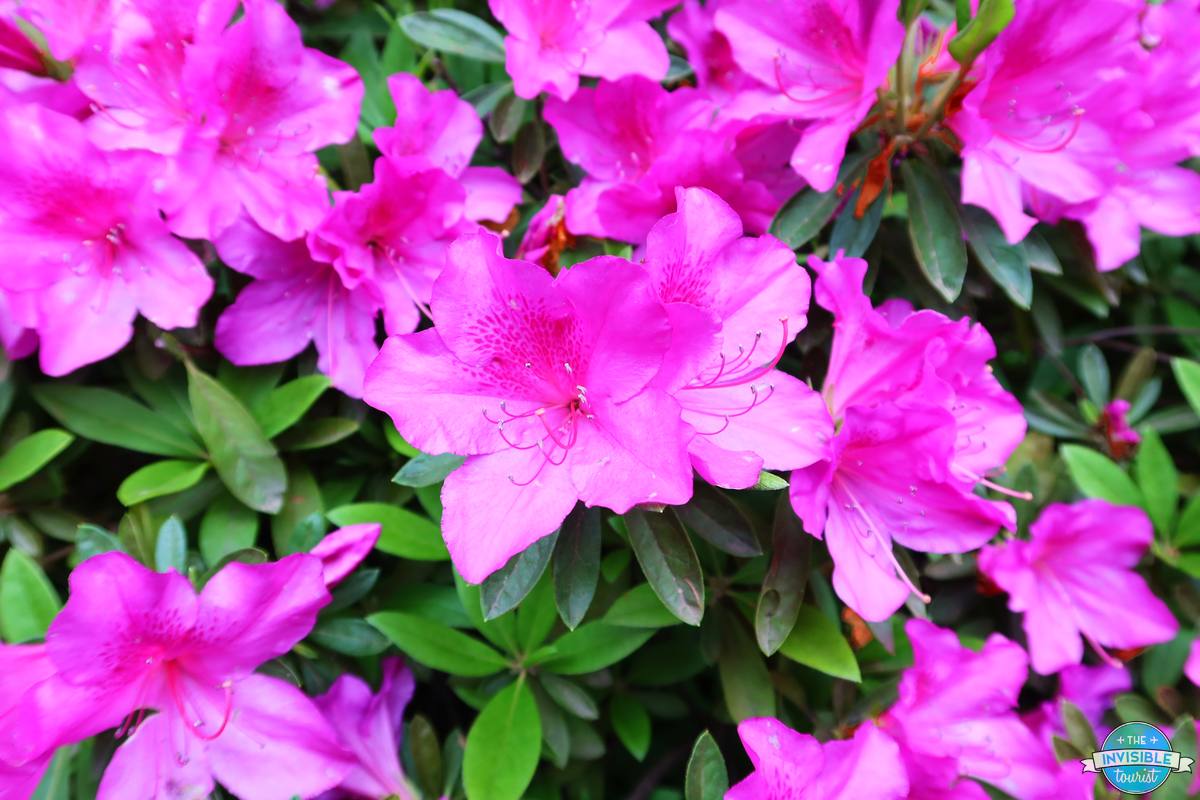
Because there are so many varieties, they don’t all bloom at once, so there’s no single perfect day. When I visited in April 2024, some areas were bursting with colour while others were only just starting, or still quite green. The hot pinks were my favourite.
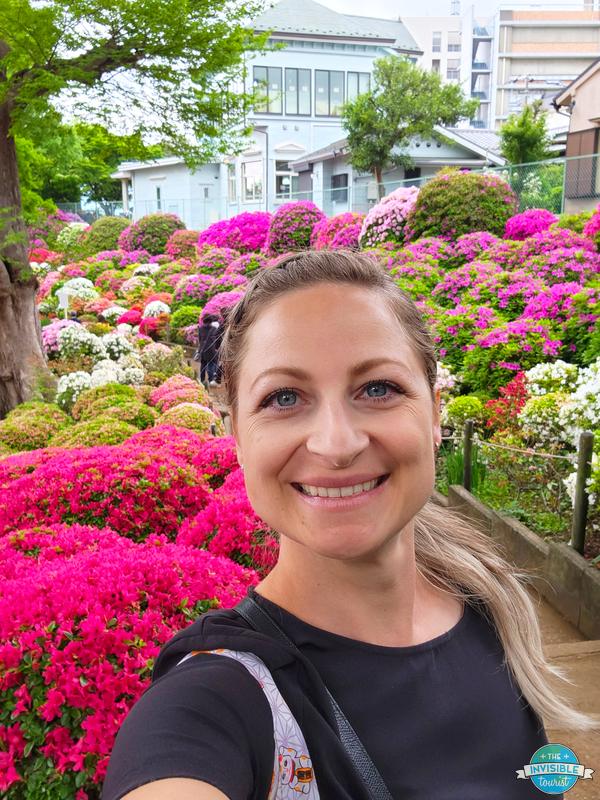
Seeing those flowers bursting into colour (four years after I’d vowed to come back) brought tears to my eyes. I felt an indescribable wave of gratitude and supportive vibes from the universe. Azaleas have held a dear place in my heart ever since.
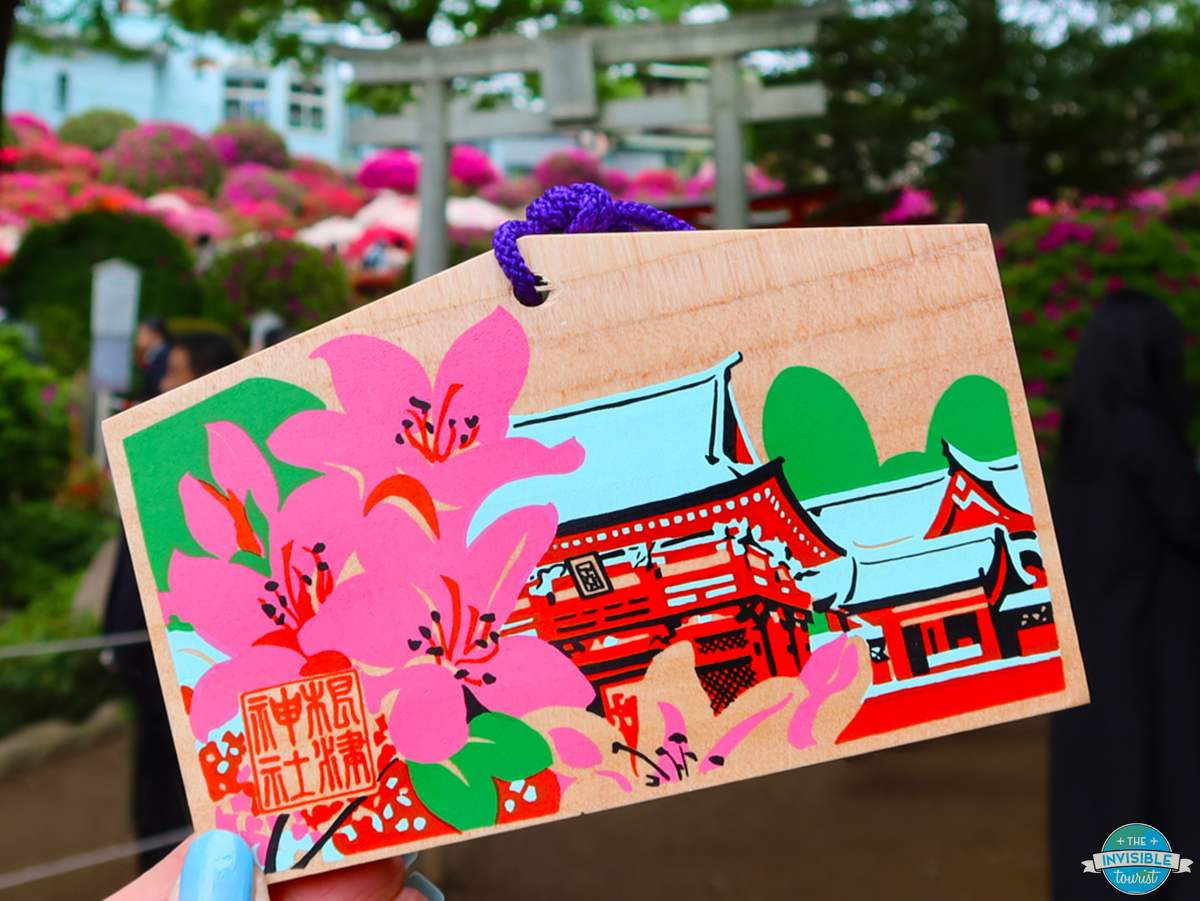
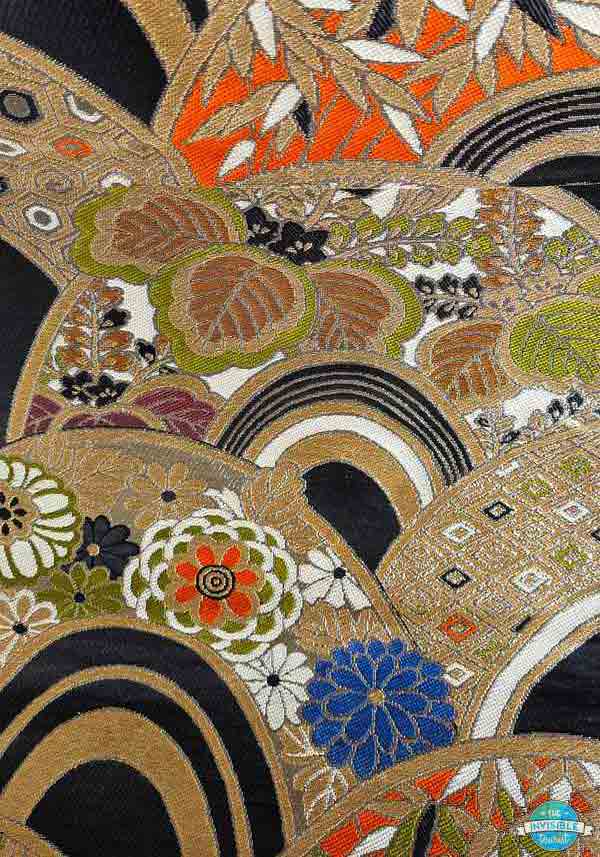
Down near street level, I stumbled on a small flea market selling kimono, handicrafts and street food. I bought a stunning gold obi (kimono sash) for only 1,000 yen, and it now lives on my office desk as a table runner. I also bought a special wooden ema (wishing plaque) with azaleas painted on it to add to my collection.
Best time to visit Nezu Shrine (and avoid the crowds)
Nezu Shrine is lovely all year, but each season brings something different:
- Spring (April): The Azalea Festival, the shrine’s busiest and most colourful time
- Summer: Lush green grounds, and the gates open as early as 5:00am
- Autumn: The shrine’s Grand Festival in late September (in 2026, the ceremony is on 21 September with festival events on 26 and 27 September)
- Winter: Quieter grounds and shorter hours (6:00am to 17:00).
During the Azalea Festival it does get busy. When I visited around midday it was mostly locals, with a few tourists scattered around, and there was still enough space to spread out. For fewer people, I’d get there at opening time. The shrine gates open at 5:30am in April and the azalea garden at 9:00am.
Out of season, it’s a completely different experience. On my rainy March visit in 2020 there were barely any other visitors, and I had the shrine almost to myself.
Shrine etiquette at Nezu Shrine
Nezu Shrine is an active place of worship, so a little respect goes a long way. Here’s how to visit to “blend in” like a local:
- Bow once before passing under the first torii gate and walk to the side of the path, as the centre is traditionally reserved for the kami (gods).
- At the temizuya (water basin), rinse your left hand, then your right. Some people pour a little water into their cupped left hand to rinse their mouth (never drink straight from the ladle). But many people stopped this part since the pandemic.
- To pray, drop a coin into the offering box, bow twice, clap twice, make your wish, then bow once more.
- Don’t take photos on the stone path in front of the main hall, and keep your voice down near the buildings.
- Never sit or lean on the buildings, fences or gates, and don’t smoke anywhere on the grounds.
For more tips, see my do’s and don’ts in Japan guide, or pick up my book, How to Not Look Like a Tourist.
How to get to Nezu Shrine
Nezu Shrine is easy to reach by train. These stations are all within walking distance:
- Nezu Station or Sendagi Station (Tokyo Metro Chiyoda Line): About 5 mins walk
- Todaimae Station (Tokyo Metro Namboku Line): About 5 mins walk
- Hakusan Station (Toei Mita Line): About 10 mins walk.
If you’re already exploring Ueno Park or Yanaka, you can walk there too. As my time was limited (I had a flight to catch afterwards), I took a taxi. It dropped me at the back entrance, which was less busy than the main approach.
Find Nezu Shrine on Google Maps here.
Tours that include Nezu Shrine
Prefer to explore with a local? This small-group Yanaka Historical Walking Tour starts at Nezu Station and walks you through the torii gates at Nezu Shrine, along Hebimichi (Snake Road), to paint your own maneki-neko (beckoning cat) in a local cafe and on to Yanaka Ginza. It takes 3.5 hours with an English-speaking guide.
If you’d rather eat your way through the neighbourhood, my old town Tokyo guide covers a Yanaka food tour too.
What to do near Nezu Shrine
Nezu Shrine sits in Yanesen (Yanaka, Nezu and Sendagi), one of the few corners of Tokyo where the old shitamachi (downtown) atmosphere survives. Pair your visit with:
- Yanaka Ginza: A retro shopping street packed with snacks, which I cover in my guide to eating your way through old town Tokyo
- Yanaka Cemetery and temples: Quiet lanes lined with small temples, beautiful in cherry blossom season
- Ueno Park: Museums, Shinobazu Pond and Ueno Zoo, a short trip away
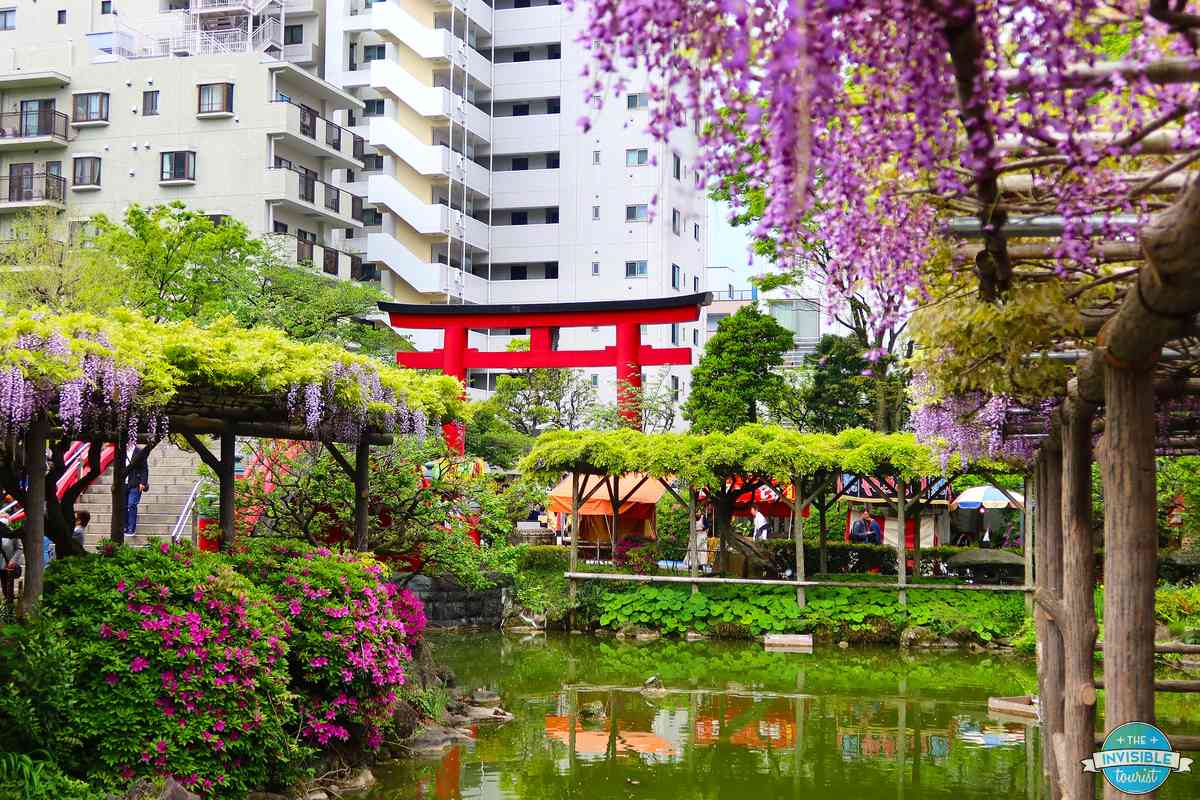
- Kameido Tenjin Shrine: If you visit in late April, its wisteria blooms around the same time as the azaleas. I visited it the same day, just before Nezu.
Where to stay near Nezu Shrine
Ueno is the most convenient base for Nezu Shrine, with direct trains from Narita Airport on the Keisei Skyliner. My pick is Hotel Crown Hills Ueno Premier, where I’ve stayed myself twice.
For more options in Ueno, Asakusa and beyond, see my honest guide on where to stay in Tokyo.
Nezu Shrine FAQ
Do you need tickets for Nezu Shrine?
No. Entry to Nezu Shrine is free. Only the azalea garden section charges a fee (500 to 1,000 yen) during the Azalea Festival in April.
When is the Nezu Shrine Azalea Festival?
The Bunkyo Azalea Festival runs throughout April each year (1 to 30 April in 2026). The azalea garden is open from 9:00am to 17:30.
Is Nezu Shrine crowded?
It’s busy during the Azalea Festival, mostly with locals, but there’s room to spread out. The rest of the year it’s far quieter. Arrive at opening time for the fewest people.
Is Nezu Shrine in Ueno?
Not quite. Nezu Shrine is in Bunkyo ward, in the Yanesen area next door to Ueno, about 5 mins walk from Nezu Station.
Is Nezu Shrine Buddhist?
No, Nezu Shrine is a Shinto shrine (jinja). Buddhist places of worship in Japan are temples (tera or ji).
Does Nezu Shrine have a goshuin?
Yes. You can get a goshuin (shrine stamp) at the amulet office, open from 9:30am (9:00am on Sundays and public holidays). Nezu Shrine also offers limited-edition seasonal designs.
How long do you need at Nezu Shrine?
Allow about 1.5 hours during the Azalea Festival, which is how long I spent taking photos and enjoying the view. Outside April, you could spend less time.
Is Nezu Shrine worth visiting?
Yes! If you love Japanese landscaped gardens, seasonal festivals, or temples and shrines, Nezu Shrine is a must on your Tokyo itinerary. It gives you the vermilion torii similar to Fushimi Inari, the ornate gold of Nikko and in April, one of the most beautiful flower displays in the city in a quiet corner of old Tokyo.
I’ll definitely be back, maybe in summer or autumn next time for something different. If my two visits taught me anything, it’s that even in your darkest hour, there is colour waiting on the other side.
While you’re here, I have more tried-and-tested recommendations for Tokyo in spring (and any season on my Japan travel blog):
- 10 (almost) secret Tokyo hidden gems
- Spring flowers in Japan that aren’t sakura
- Things no one tells you about spring in Japan
- How to eat your way through old town Tokyo: Yanaka Ginza
- How to avoid crowds at Fushimi Inari Shrine
- 5 to 6 days in Tokyo itinerary for first-timers
- Where to stay in Tokyo.
Feeling social? Explore beyond the main touristy sights with my dedicated Japan Off the Beaten Path Facebook group or come and join me on Facebook, YouTube, Pinterest, TikTok and Instagram for more travel inspiration!
Until next time,

Like it? Pin it!
This Nezu Shrine guide contains some affiliate links. I may earn a small commission if you decide to make a purchase and if you do, thanks for your support! This helps with the costs of running my blog so I can keep my content free for you. As always, I only recommend a product or service that I genuinely love and use myself!