
Here’s Why Summer in Kyoto Isn’t as Bad as You Think
In every online travel forum, members always share their strong opinions about completely avoiding Kyoto in summer as it’s too “unbearable.” But maybe it’s the only time you can visit, so will it still be worth it?
As an Aussie who has visited Kyoto six times in three seasons, I’m here to assure you that I respectfully disagree with the general negative sentiment. After trying plenty of “cooler” experiences myself from my seven summer trips to Japan, I know you’re going to be ok.
If you’d like to hear the opposite perception of the echoing online comments, know the benefits of visiting at this time, what the weather is like, and fun activities you can enjoy during Kyoto’s summer months, read on for more!
This post contains affiliate links, at no extra cost to you. I may earn a small commission if you click through and make a purchase.
Benefits of visiting Kyoto in summer
I’ll start off with this: Whether Kyoto is “too hot” to visit in summer is a matter of what you’re used to at home.
As a Sydneysider growing up with temperatures consistently pushing 40°C, it’s not so bad for me personally. If you’re from a cooler climate, you’ll likely feel it more…. But don’t let that put you off!
These benefits prove why you shouldn’t worry about a Kyoto summer visit:
- Fewer crowds: Summer is actually the least busiest season to visit. Perhaps the fewer crowds all over the city are scared away from all the unfavourable online comments!
- Cheaper accommodation: Lower hotel and ryokan prices reflect the smaller demand, meaning more spending money.
- June is tsuyu 梅雨 season: While it can be heavy at times, the rain comes and goes. It’s a natural, welcome way to cool off.
- Consistent temperature: I find it much easier to pack with lighter clothing and knowing what to expect each day.
- Cooler temperatures aren’t far away: Heading to shady gardens and forests of the ancient capital’s outskirts are a few degrees cooler than the concrete city blocks.
- Summer-only experiences: I’ve shared many tried-and-tested options for you down the page.
In addition to cooling rivers, icy relief and lush mossy scenery, summer pulls out some unique experiences you won’t encounter in Kyoto any other time of year.
12 Underrated things to do in summer in Kyoto
I’ve gathered my personal favourite Kyoto summer experiences you should consider adding to your itinerary:
See a quieter side of Fushimi on a canal cruise & enjoy sake tasting
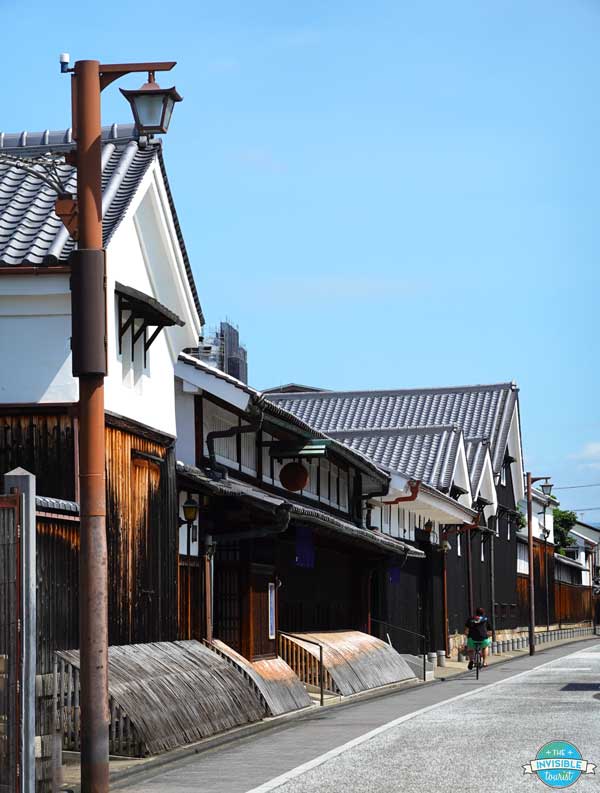
Most tourists battle crowds at the vermilion torii gates of Fushimi Inari Shrine and call it a day. However, there is an unseen, untouristy side to this area the majority miss.
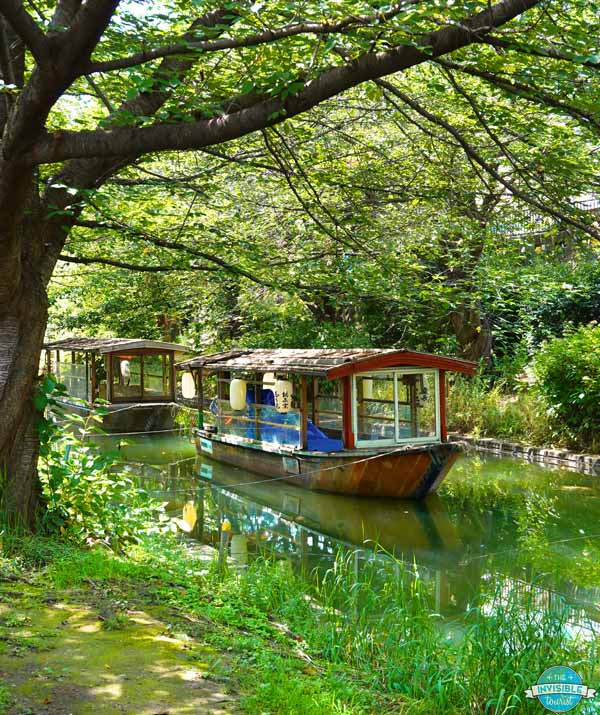
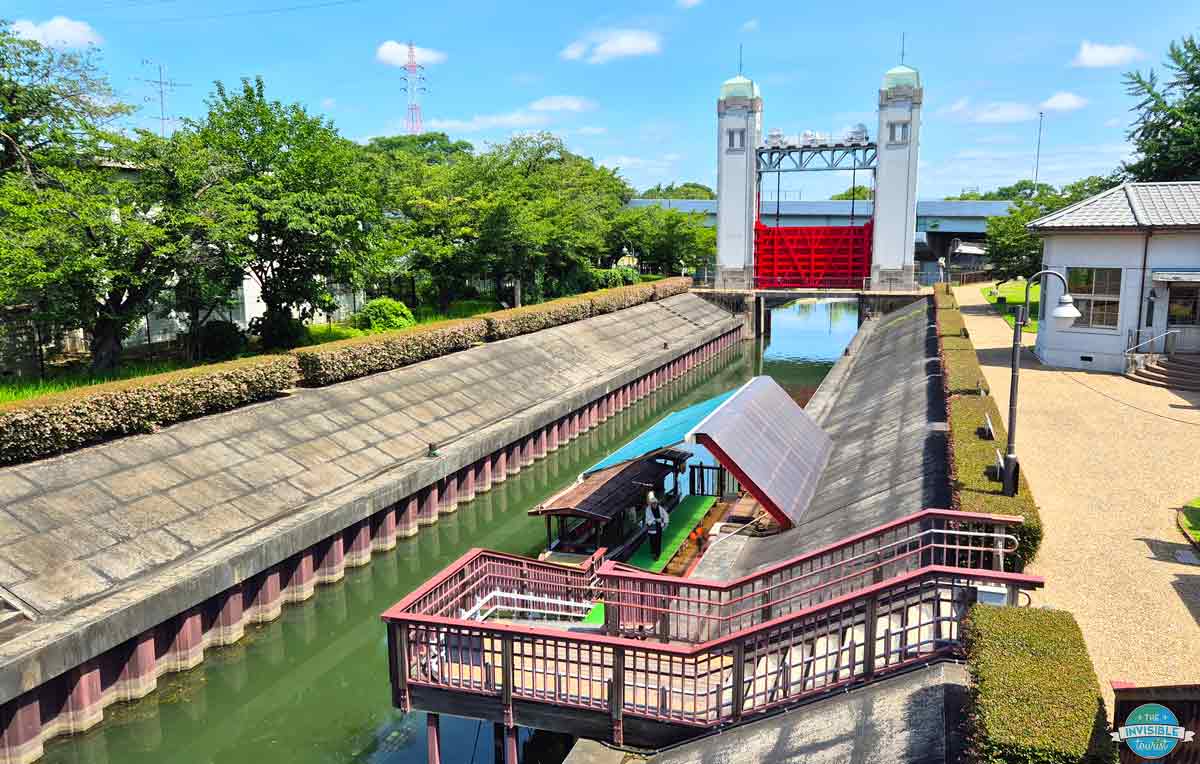
Who knew Fushimi was once an old port, had dam walls, and sake breweries that have been operating for centuries? We visited small Choken-ji Temple before hopping on a jikokubune, traditional boat to cruise over to Fushimi Port Park to its small museum packed with history of the area.
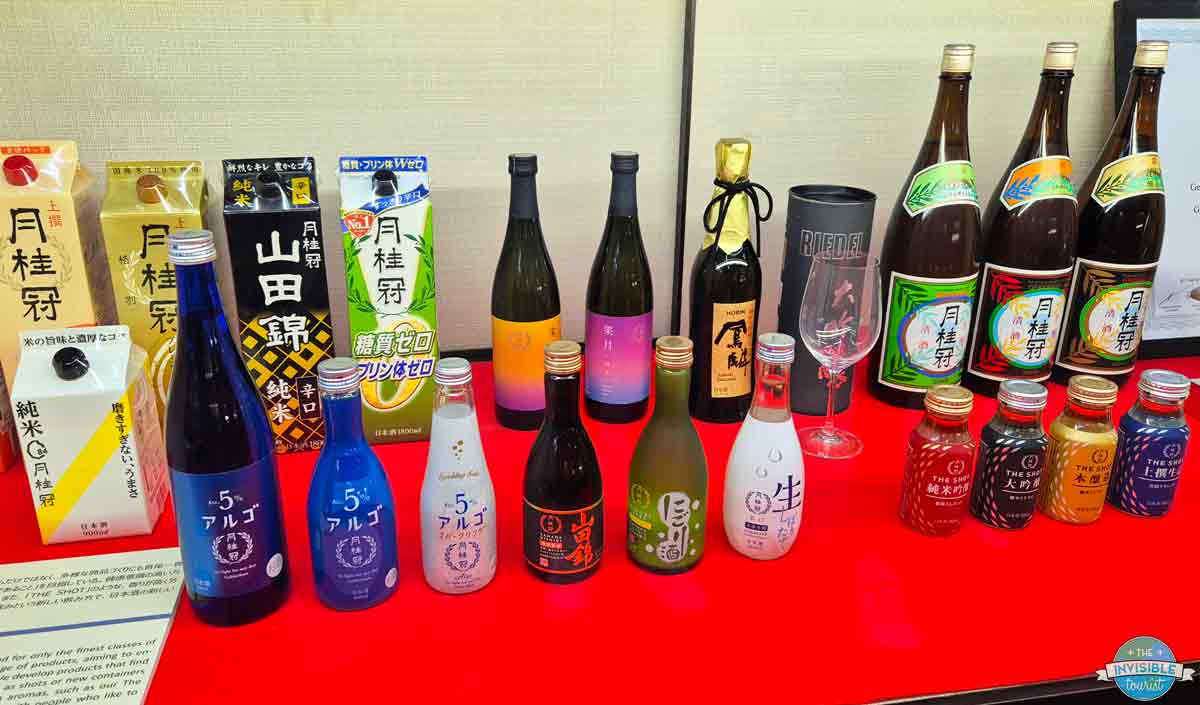
After our cruise, we learnt how sake is made at Gekkeikan Okura Sake Museum and sampled a few flavours. One we tried was so delicious, my partner and I bought four bottles as souvenirs! It was genuinely some of the best I’ve ever had, and only 1300 yen per bottle. It’s difficult to refuse that, right?
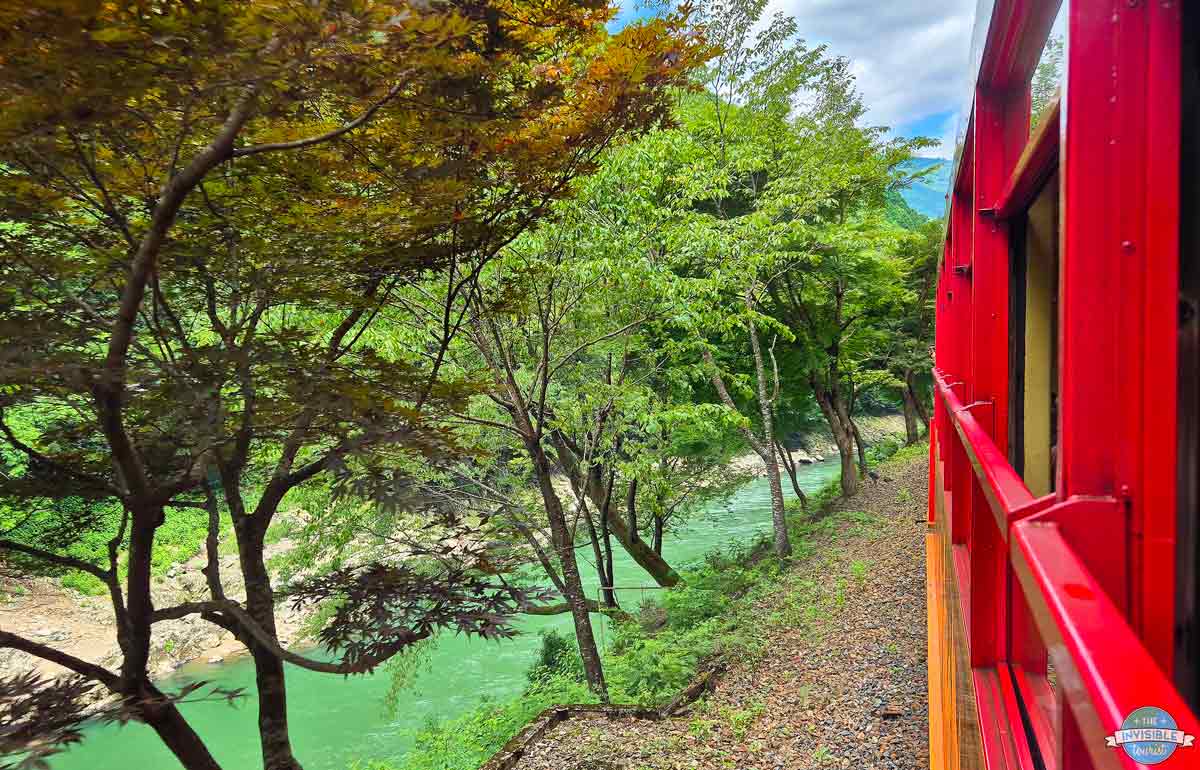
Feel the breeze in your hair on the Sagano Romantic Train
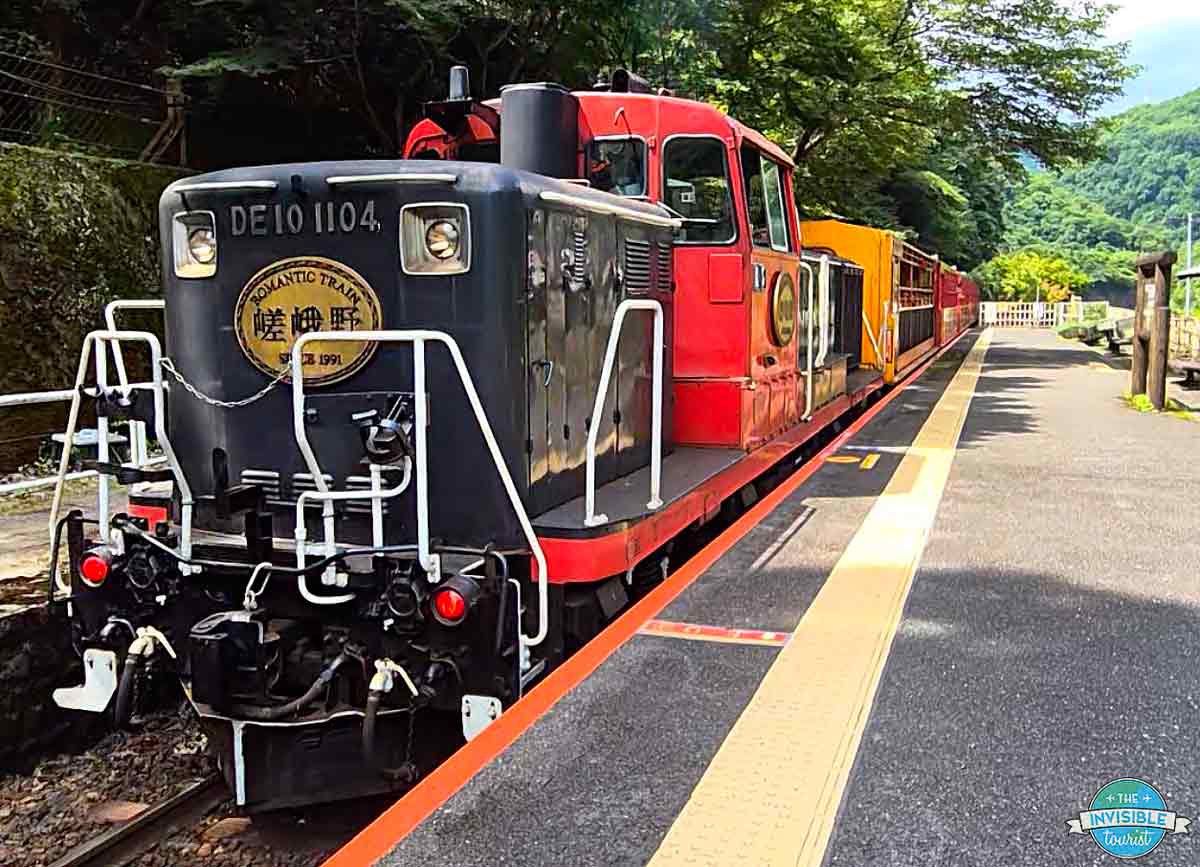
This scenic open-air steam train ride alongside bamboo groves, Japanese maples and a turquoise river is another one I’d wanted to try for years.
While the actual train journey itself only took around 15 mins, the trees framing the carriage along the riverside scenery was so beautiful.
Cool off by sailing down the Hozugawa River
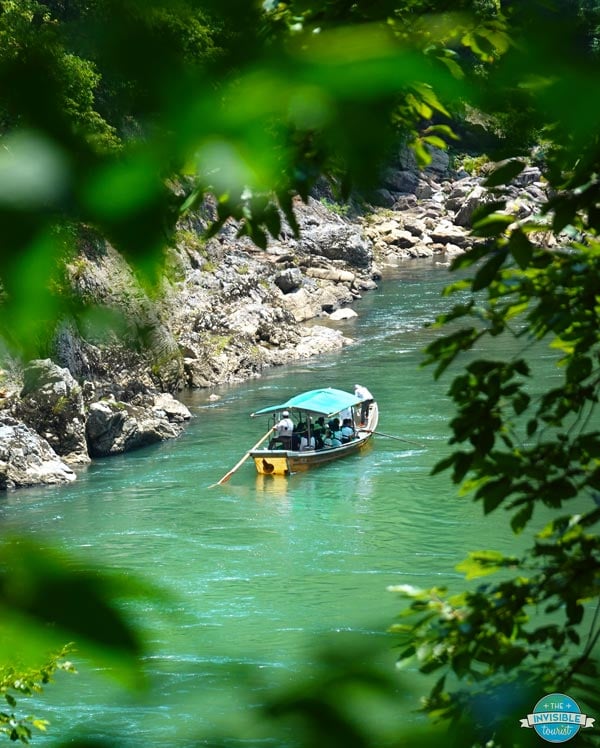
Admittedly, when looking into this Hozugawa River cruise activity and seeing it went for 2 hours, I didn’t think my stomach could handle it going down parts of the river… Some sections are fast-flowing rapids, heh.
But when I was actually in Kyoto watching these boats sail by, I kinda regretted not doing it!
Take advantage of the air-con in teamLab Biovortex
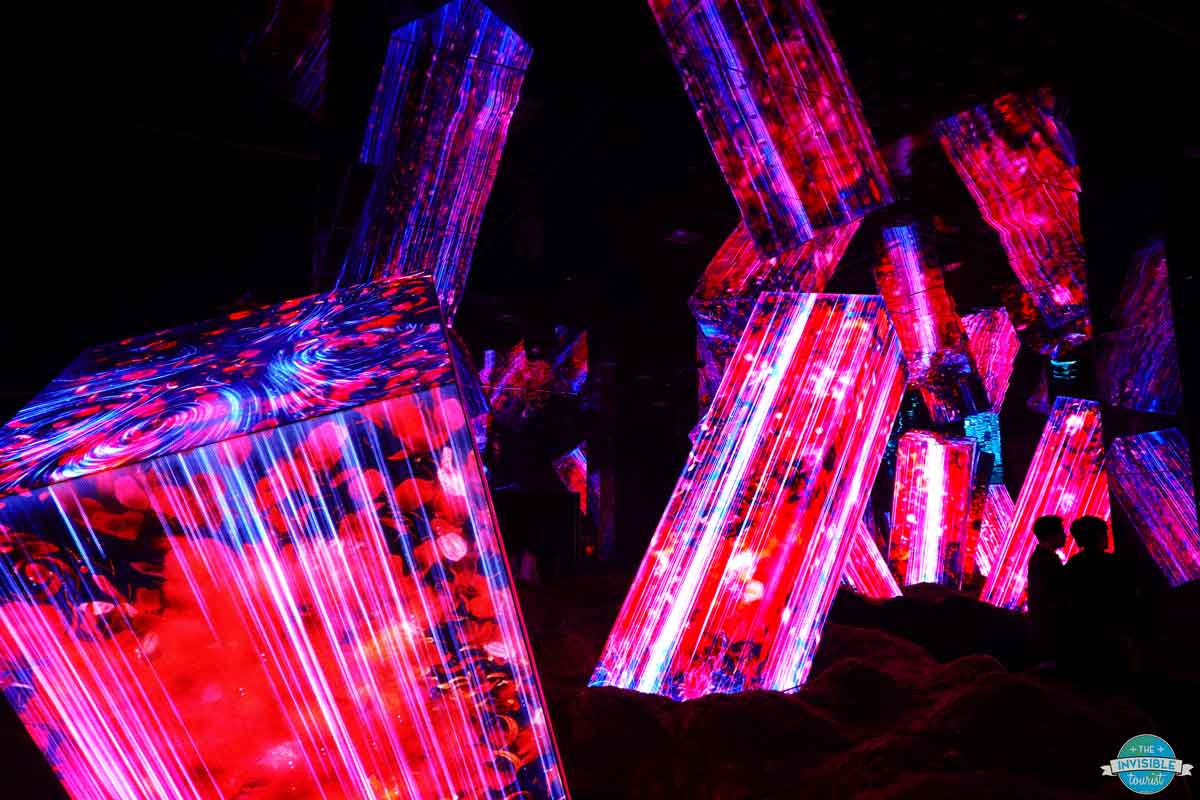
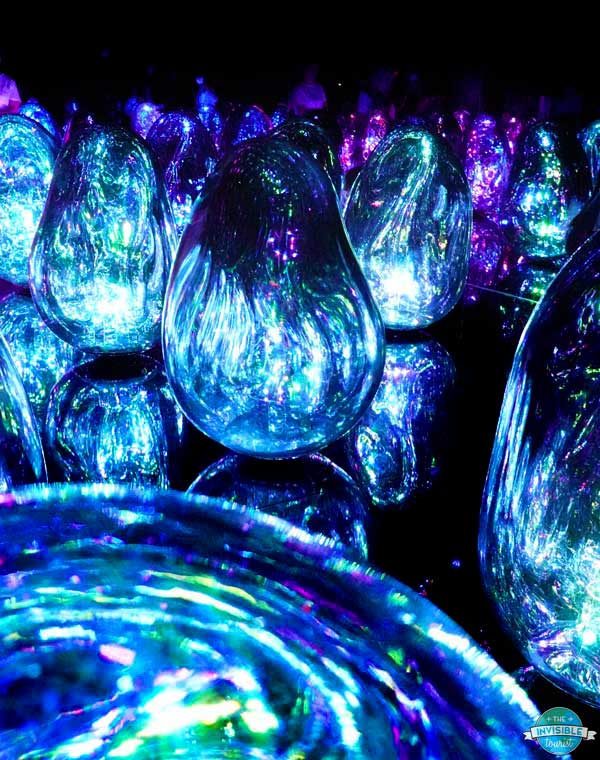
After being disappointed by the new teamLab Borderless in Tokyo, I wanted to redeem myself at Kyoto’s newest attraction. And I’m glad to report it delivered!
My family spent a good 3 hours here (compared to one hour in Tokyo). Biovortex’s rooms are much more interactive and interesting, rather than just light projections on walls.
Perhaps the most hilarious was a “bubble vortex” room – literally dish soap bubbles spewing up out of the floor you can catch and tunnel into. The kids had an absolute ball!

Head for cooler temperatures at Kyoto’s “mini Shirakawa-go”
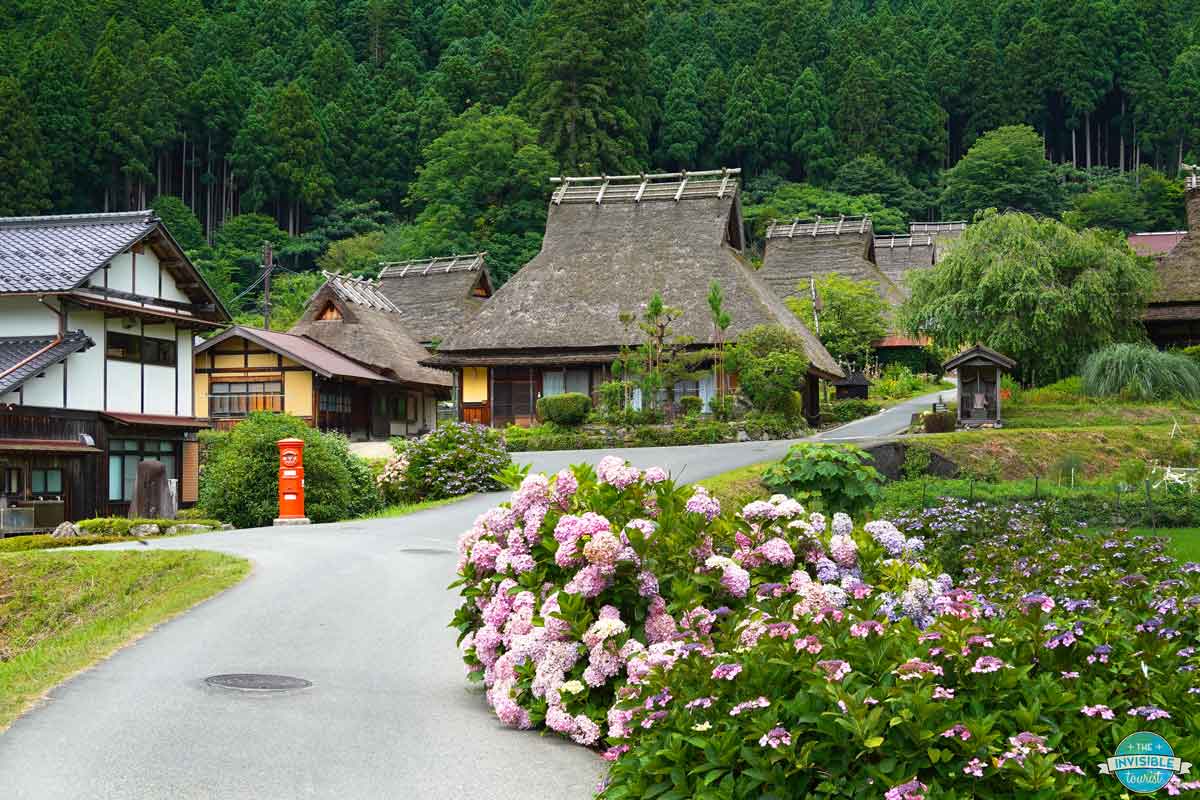
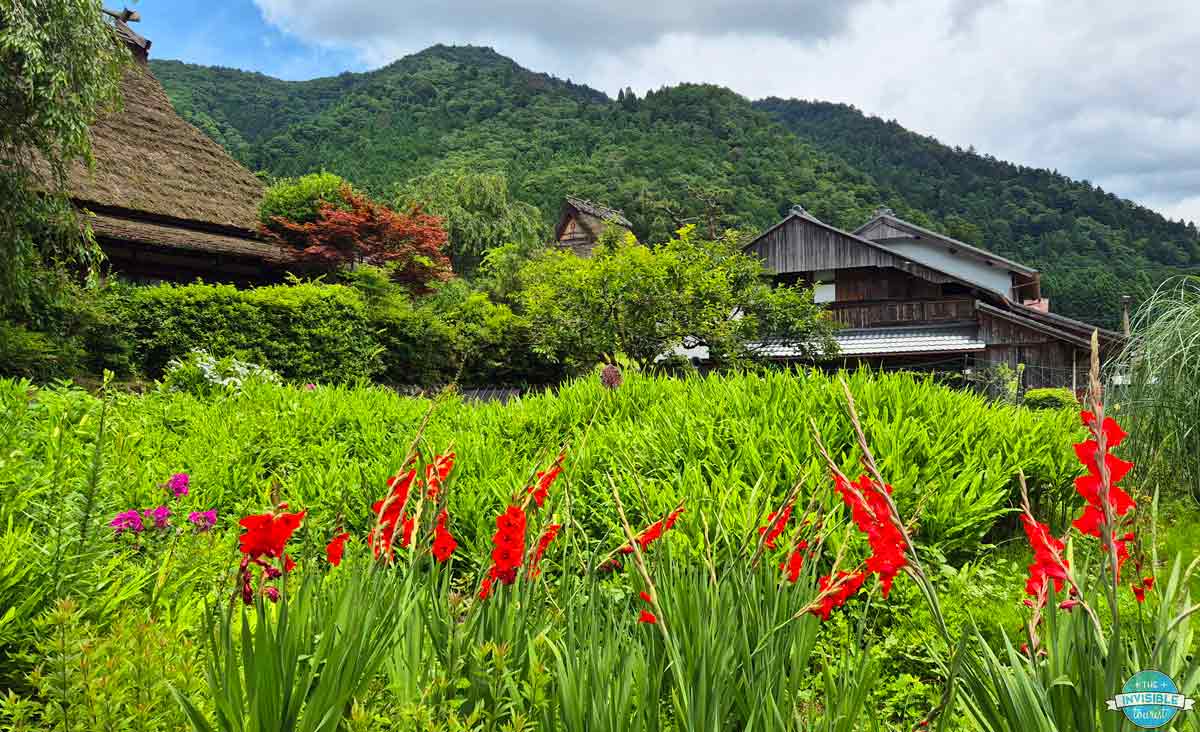
Not often spoken about in the Miyama area, the stunning Kayabuki no Sato village had been on my list of places to visit for many years. Just 90 mins from Kyoto by car, summer is a lovely time to visit amongst hydrangeas and for cooler temperatures than the city.
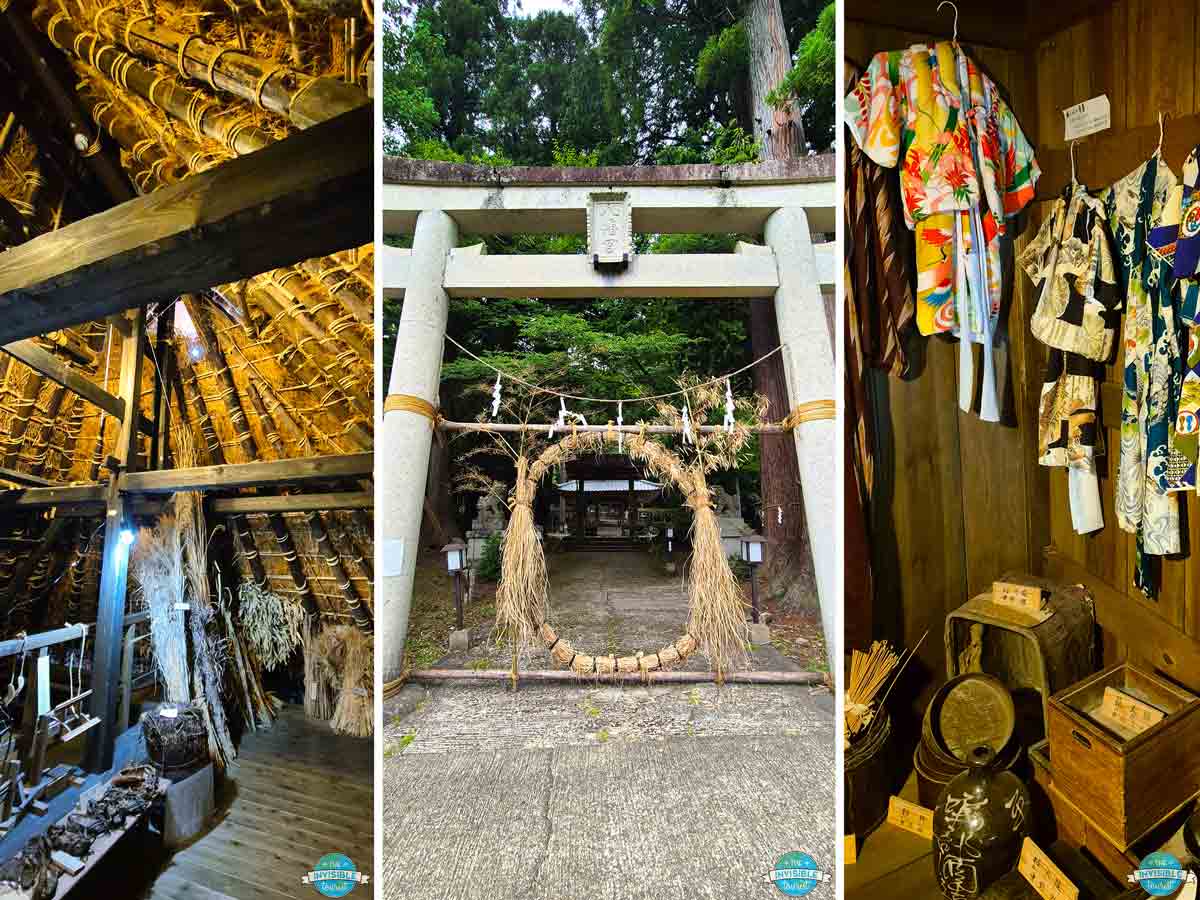
While some of the thatched farmhouses are private residential dwellings, the village includes a Folk Museum, Indigo Dyeing Museum, a few small cafes and Chii Hachiman Shrine, which is over a thousand years old. If you’re looking for a lovely half-day in the Kyoto countryside, add it to your itinerary!
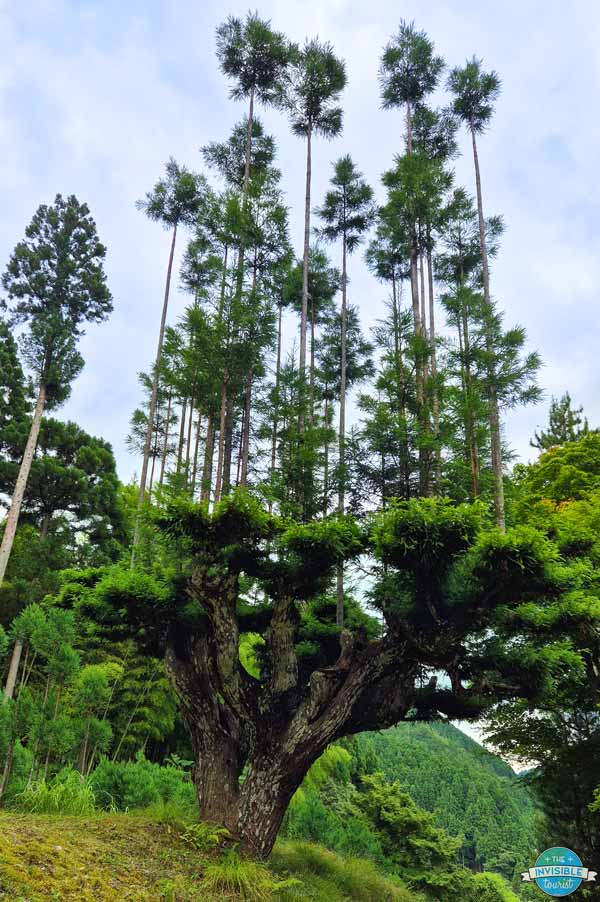
On the way from Kyoto to Kayabuki-no-Sato, stop by Kitayama Great Semi-Coppiced Cryptomeria. While that’s a bit of a tongue-twister, this 400 year old tree is an ancient form of sustainable forestry. With careful pruning care and only felling the upper stems for logs every 20 years, there is no need to replant new trees.
Literally enjoy lunch over a river with kawadoko dining
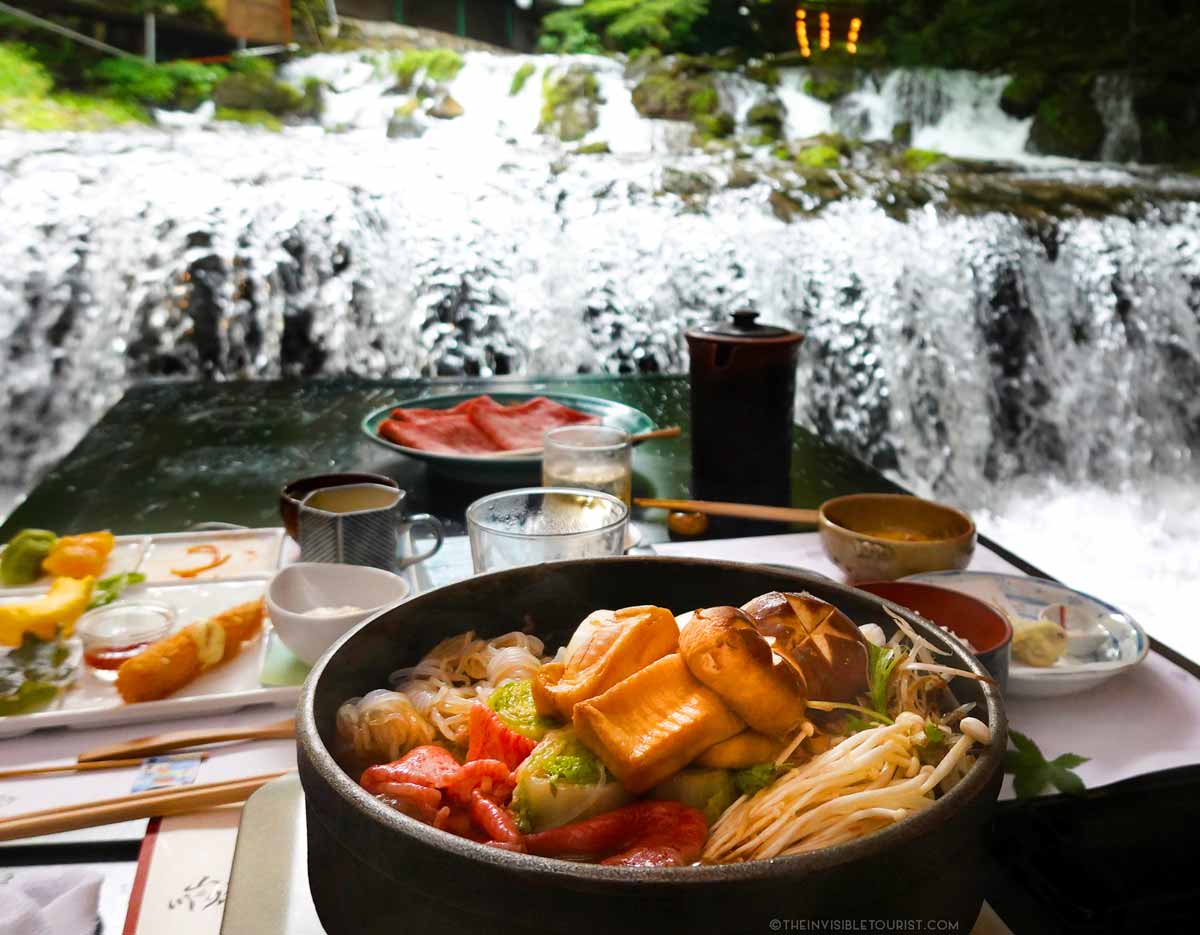
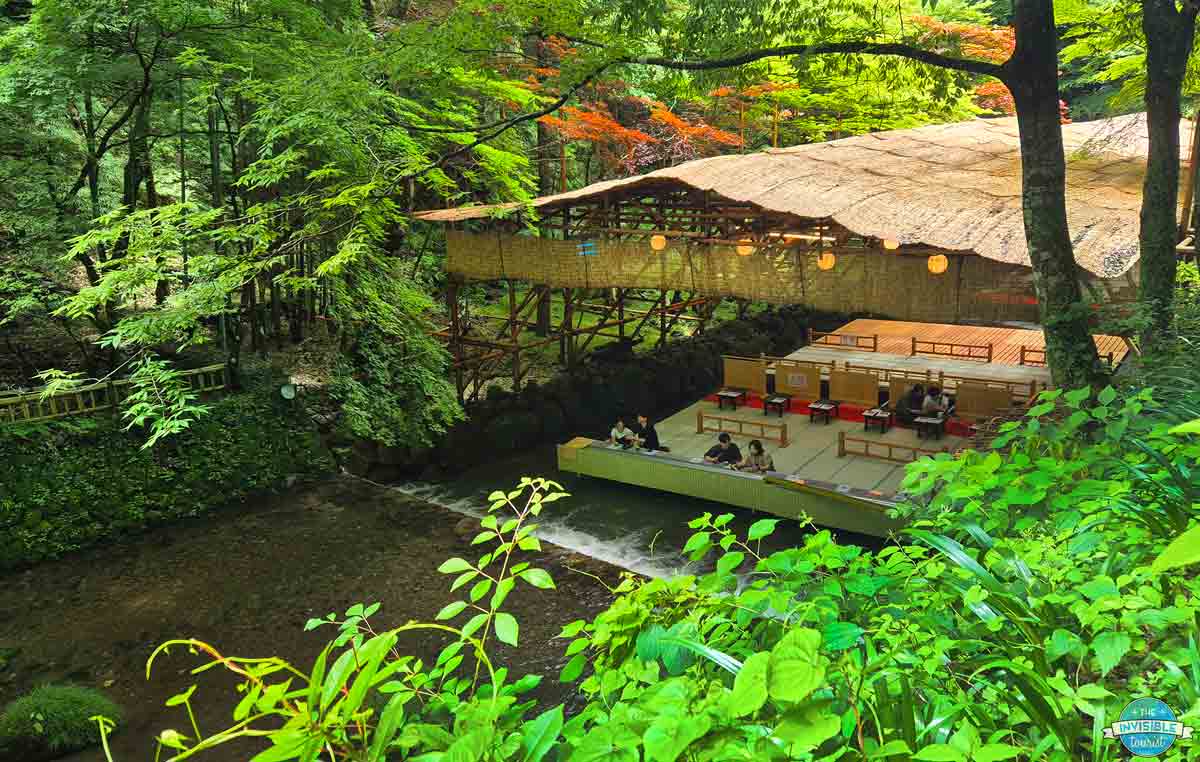
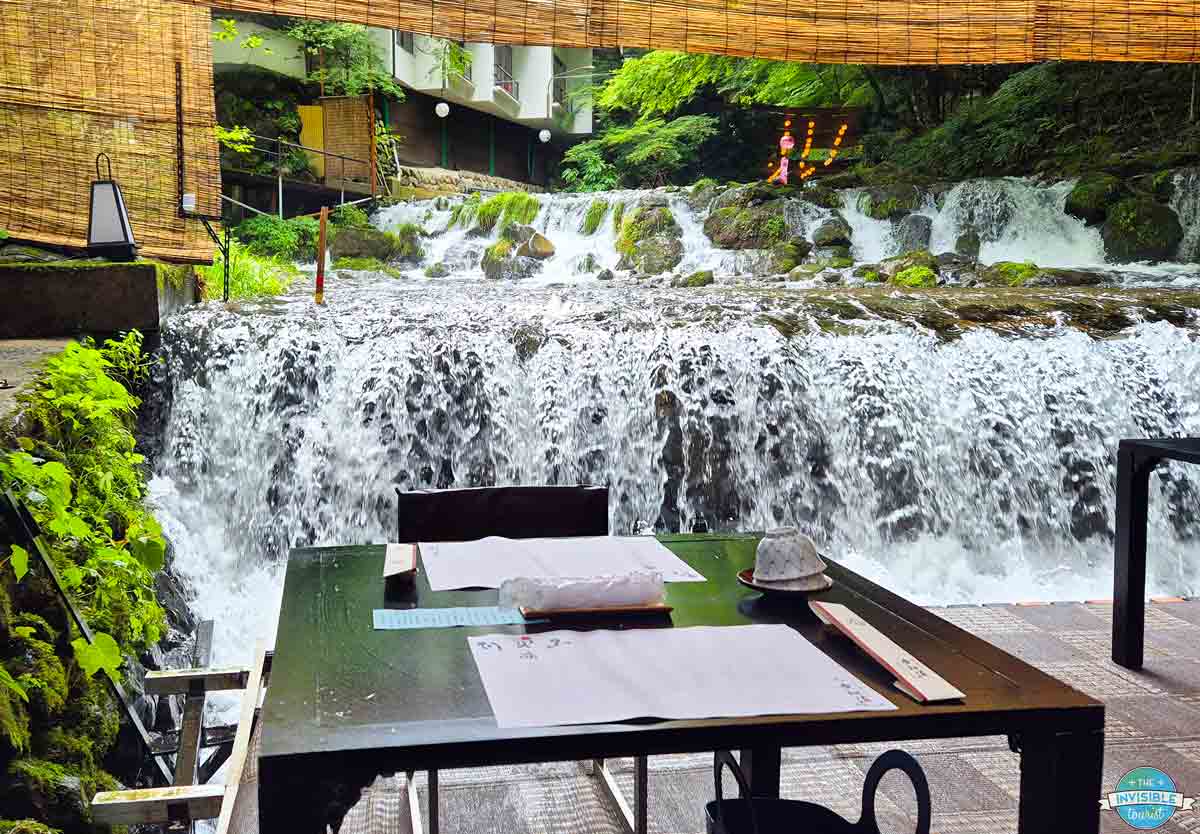
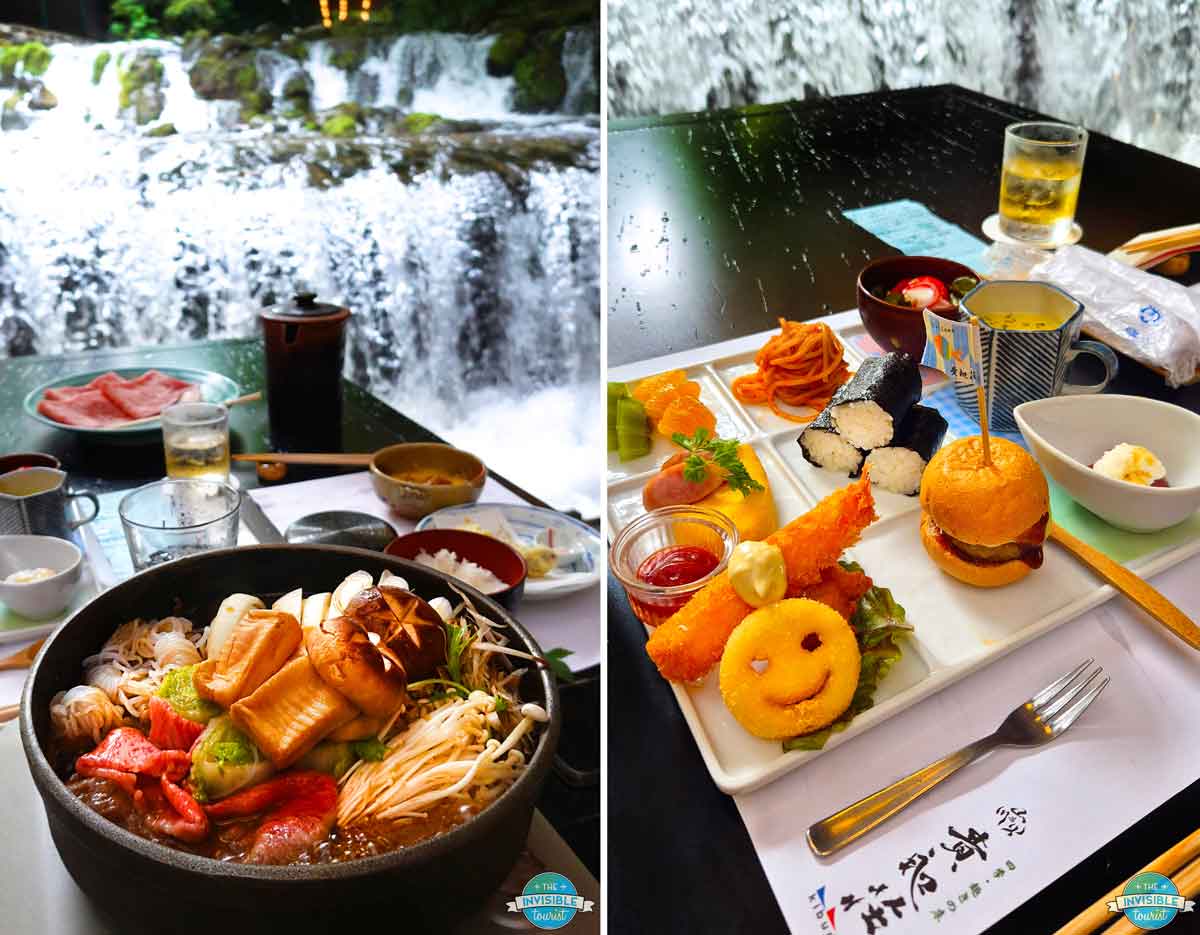
Along the riverside in Kibune each summer, traditional Japanese restaurants set up dining platforms over the Kibune River for a unique culinary experience called kawadoko. I’d waited seven years for the stars to align for this moment — it was absolutely worth the wait!
- While there are a number of restaurants, I reserved my table at Kibunesou 3 months in advance as they tend to sell out. Their website and their staff communicate in basic English, and children are welcome.
- We were seated RIGHT next to the waterfall segment, so close that we did encounter a few splashes… But it only added to the experience!
- Their free shuttle bus service from Kibuneguchi Station was ideal too.
- I pre-ordered the 3 course sukiyaki wagyu beef set, which was presented beautifully and tasted incredible. My mouth still waters thinking about it. The kids meals were also fantastic and cute, only in Japan.
It’s one of my most memorable experiences during summer in Kyoto, and I highly recommend it if you are celebrating a special occasion on your trip.
- Prices: 13,000 yen per adult, 4,000 yen for children’s meals (up to 10 years).
- When booking: Add-on the free shuttle service so you can get picked up from Kibuneguchi Station.
Have a riverside picnic with the locals in 5D
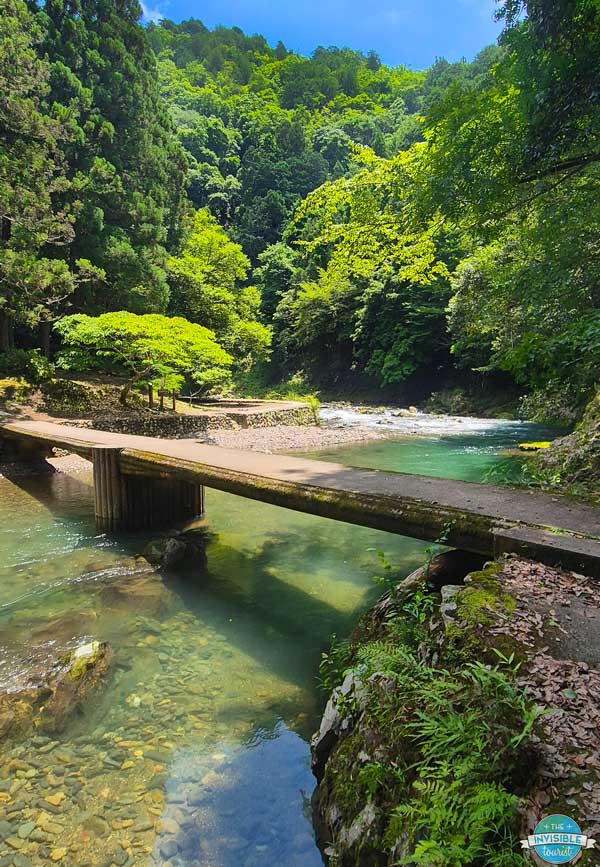
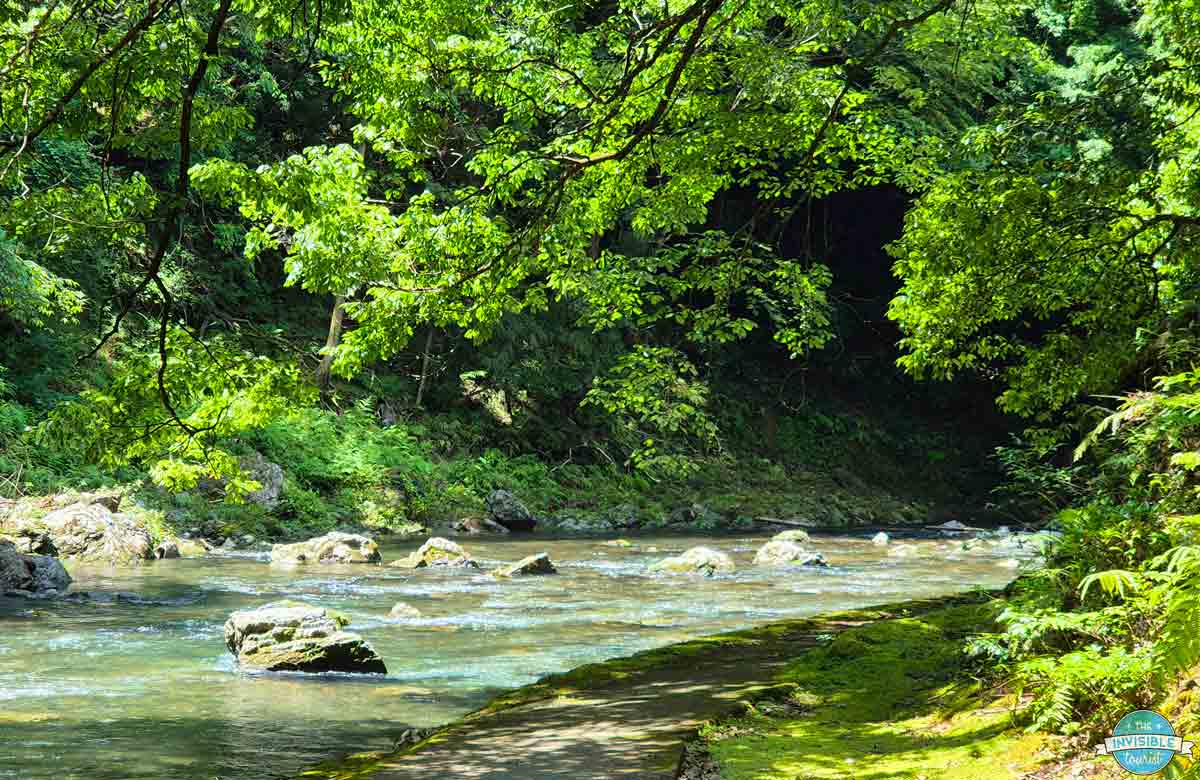
When stumbling upon this other-worldy location, I honestly felt like I’d been teleported into the 5th Dimension…
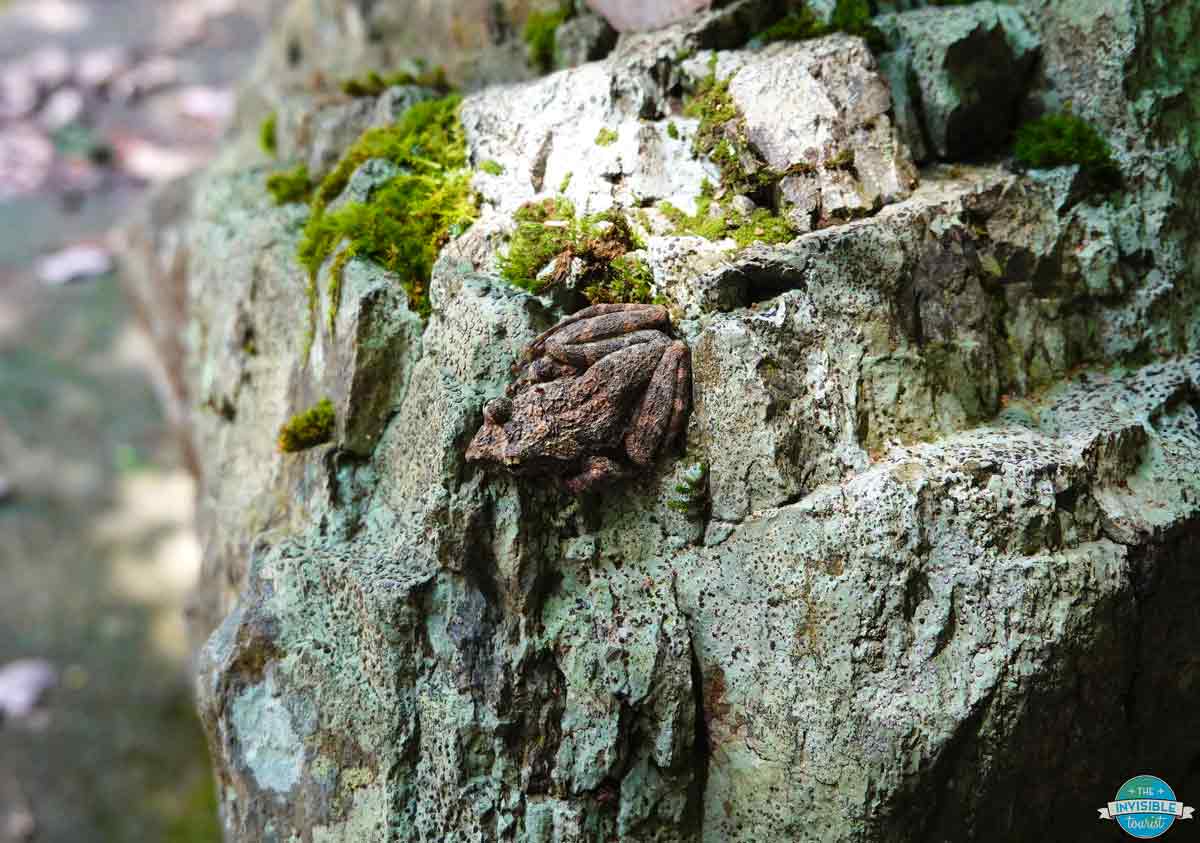
Water so turquoise and pure, little crabs scurrying about, birds singing gleefully and I inadvertently sat on a stone beside a frog. Light was sparkling through the waving tree leaves, and it felt as though my body was completely at one with all of creation around me! To get to this spot:
- Hop off the Sagano Romantic Train at Hozugawa
- take a right and walk along the winding road until you pass over a red bridge and through a tunnel
- A small side path will appear, so follow it down towards the water and around to the right
- Enjoy this little slice of Heaven of Earth, where we enjoyed a small picnic to take in the feeling.
This spot was so incredibly beautiful, and no one was around except one couple. I resisted the urge to be in the moment and didn’t take a lot of photos, and now I’m wishing I did! You’ll just have to go feel for yourself.
Make a wish at the Tanabata Festival
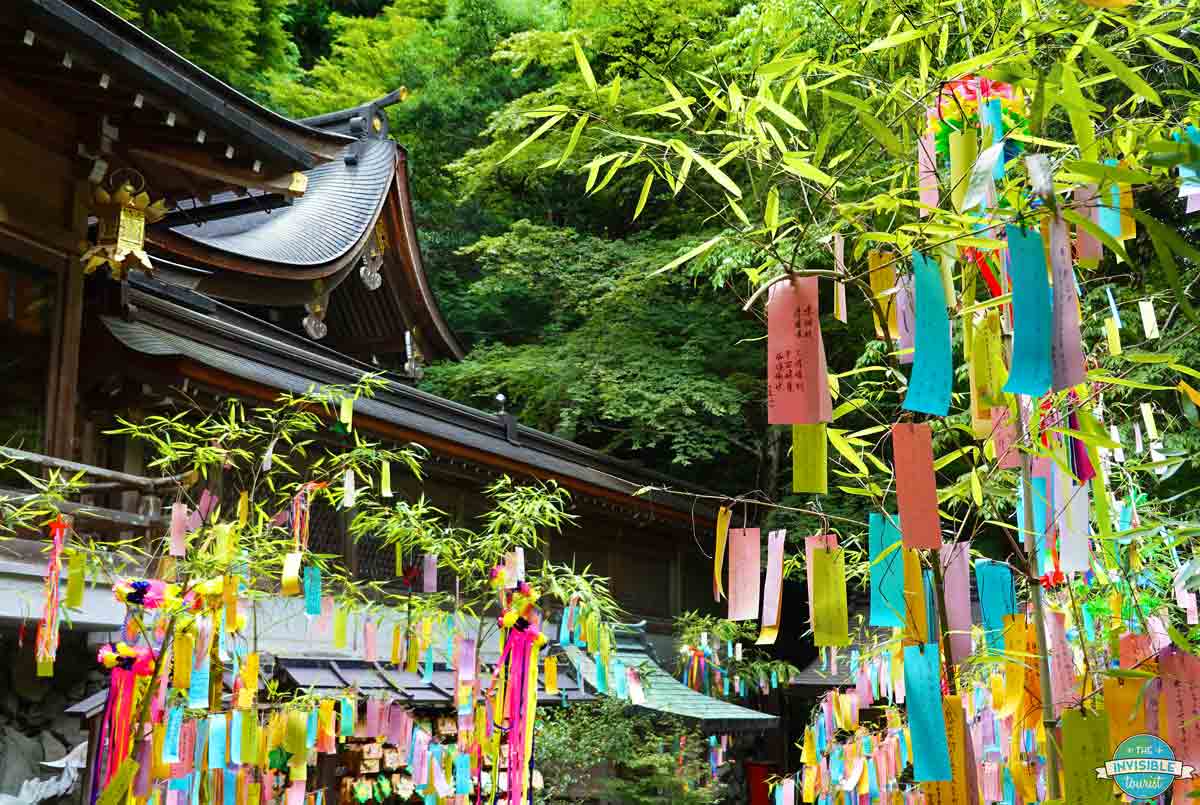
Summer festivals in Kyoto are next-level. If you ever visit around 7/7, you may see colourful papers tied to bamboo fluttering in the breeze. People leave wishes on them, like wishing on a star, for the Tanabata Festival.
In Japanese folklore and cosmology, the festival celebrates the meeting of two deity lovers represented by stars Vega (Orihime) and Altair (Hikoboshi). They were so in love with each other that they abandoned their deity duties.
As punishment, the girl’s father separated them to either side of the Milky Way galaxy, and they’re only allowed to meet once a year on the 7th day of the 7th month.
This ancient festival originated in China and has been in existence in Japan since 755 AD!
Witness the thousand-year old Gion Matsuri
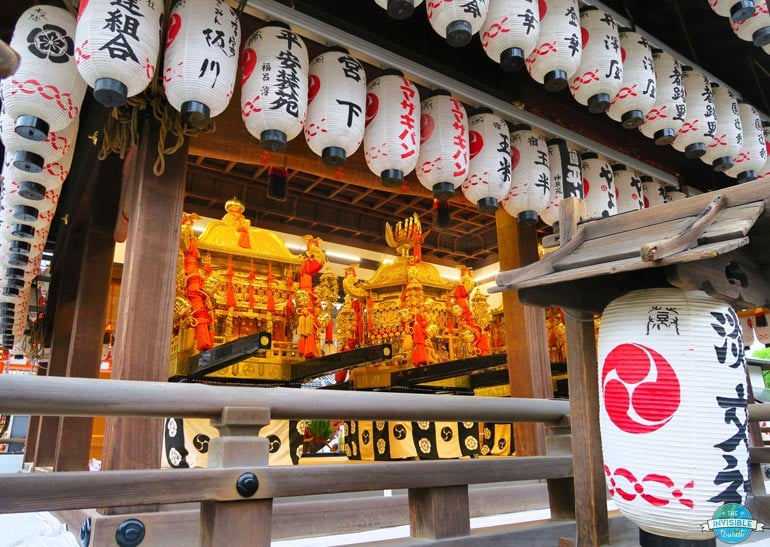
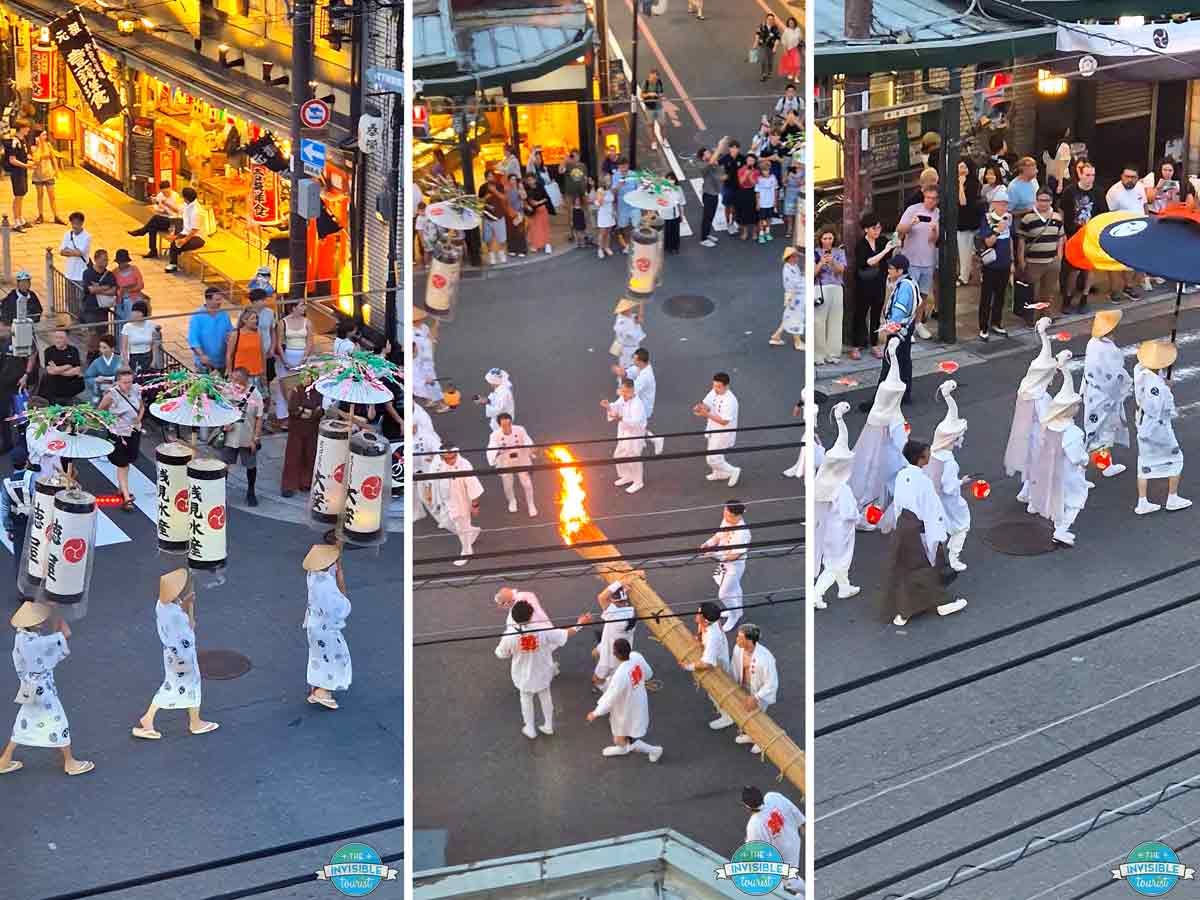
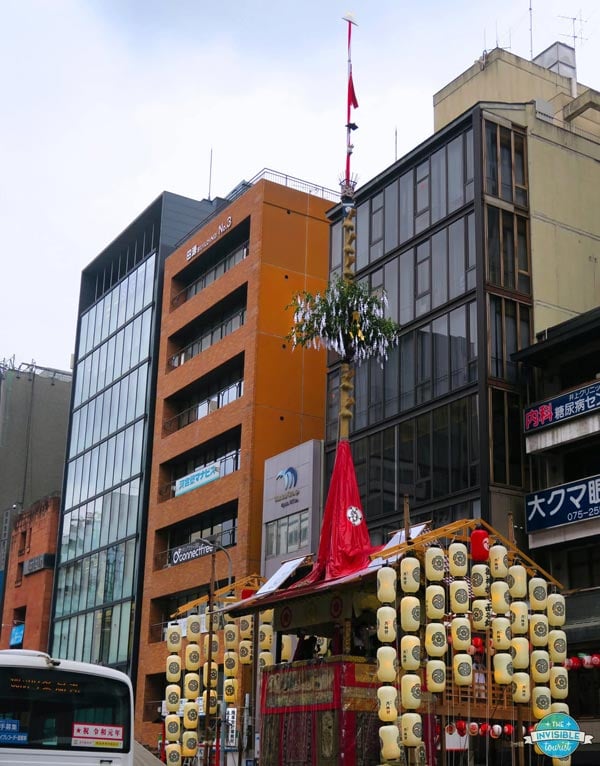
Dating back over 1,100 years, the Gion Matsuri is one of Japan’s top three festivals. Massive wooden floats with towering spires parade through Kyoto to purify the streets, with the tallest spires designed to catch volatile 7-7 energy believed could manifest as deadly summer epidemics.
What I found most interesting is that Kyoto’s layout was designed using Onmyodo, a cosmic city-planning method that mirrored the heavens on Earth to ensure harmony. In this layout, the Kamo River represents the Milky Way, while the heavy rains of July were seen to bring down unstable spiritual energies from the heavens that required cleansing.
See inside temples closed off to the public all year
Over 2000 temples and shrines call Kyoto home, and a number of them are closed off to the public much of the year for preservation efforts. During summer, national treasures are opened up for us to take a rare glimpse inside.
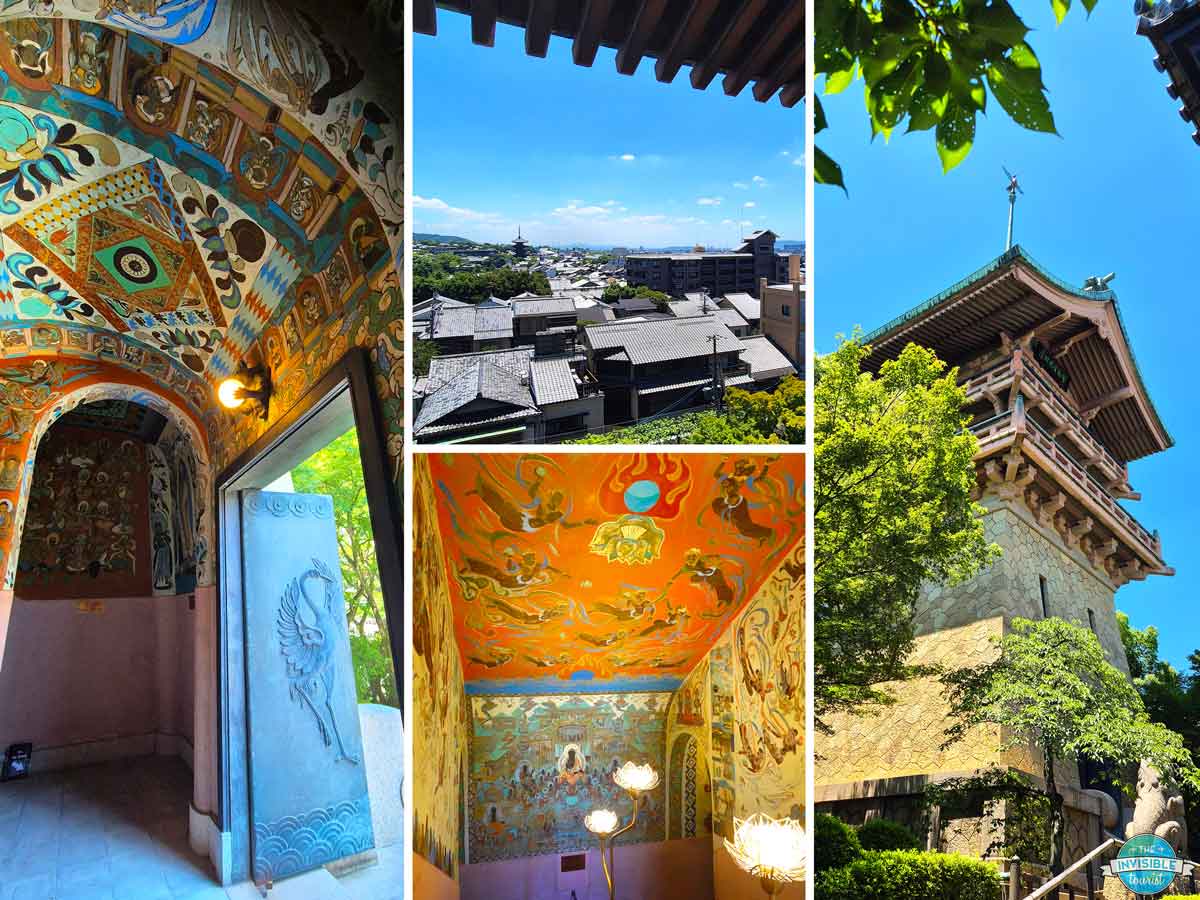
This year I visited Gionkaku Tower, completing the trio of Kyoto’s Pavilions (Kinkaku-ji: Golden Pavilion and Ginkaku-ji: Silver Pavilion). Piercing through Higashiyama’s skyline, it features incredible interior paintings and a stunning view over Kyoto most tourists never see!
Enjoy a rooftop sunset dinner overlooking the Kamo River
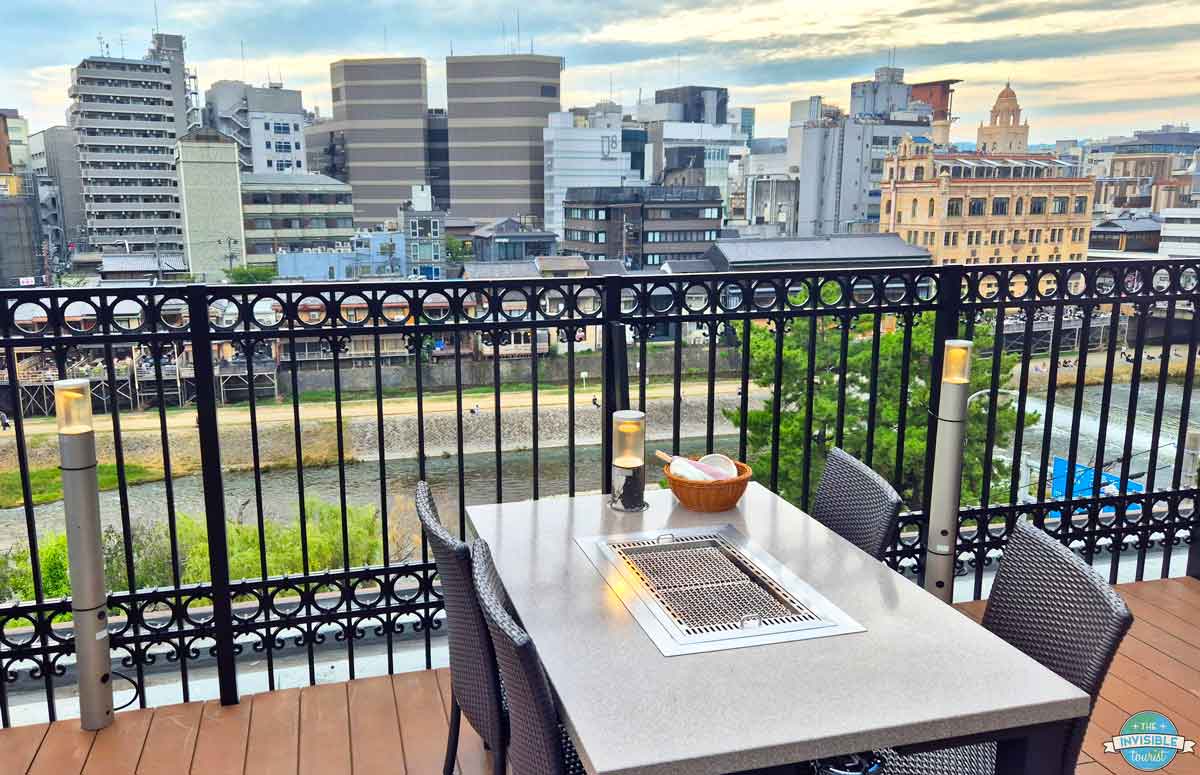
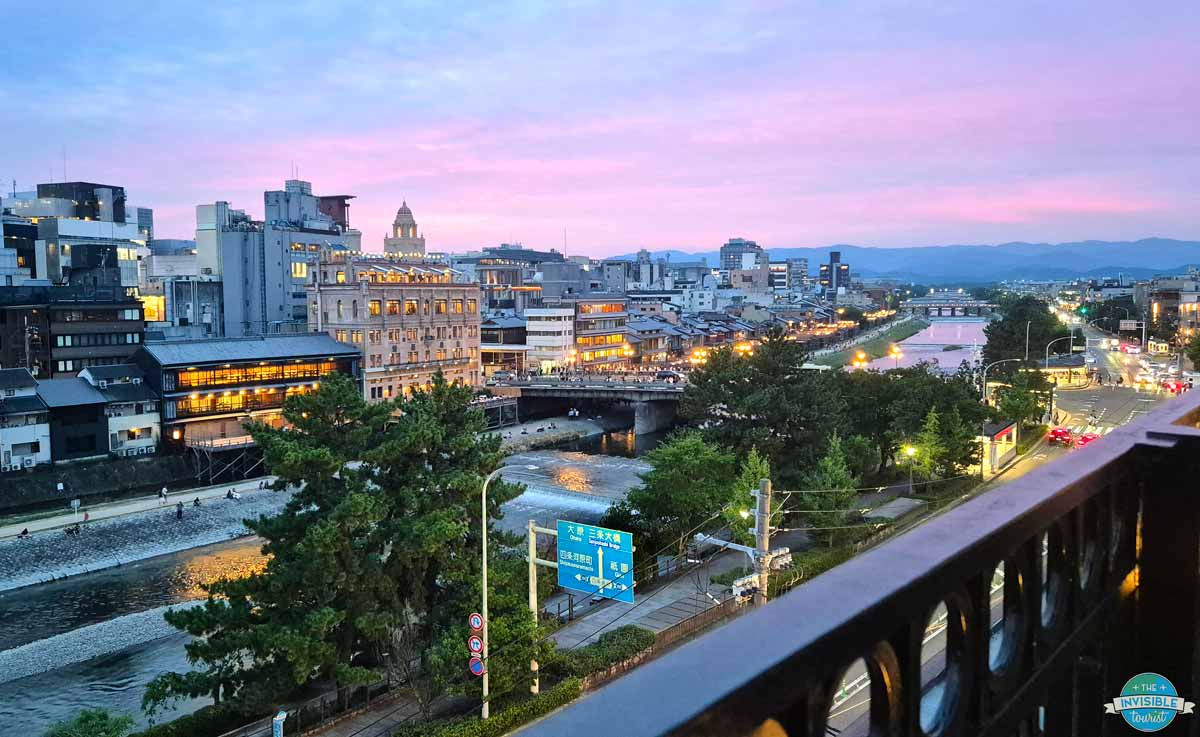
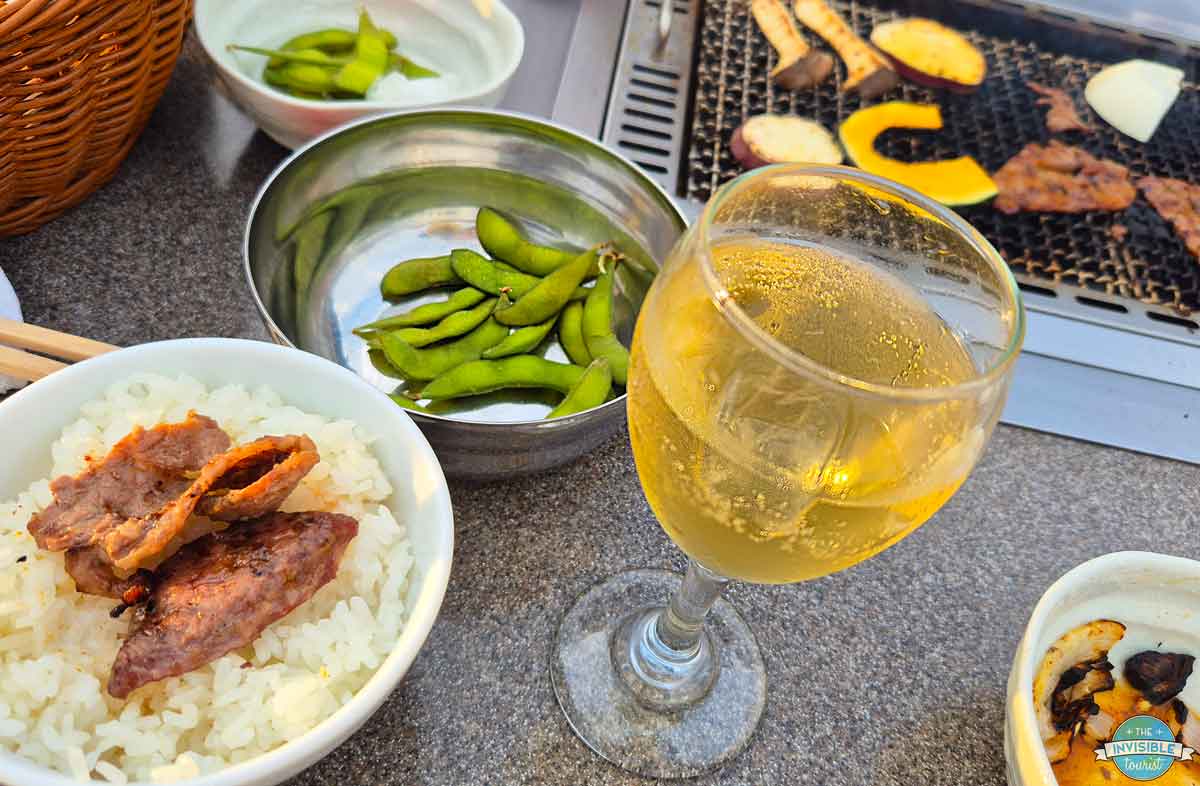
One of the most memorable summer experiences I’ve enjoyed in Kyoto was this delicious rooftop dinner at Kamogawa Sky Garden. For 10,000 yen per head for premium wagyu cuts, 2 hours of unlimited drinks at the bar (including beer, rice and plum wines).
It’s also child friendly with kids meal options available. Watching the skies turn pink over Japan’s ancient capital from here was such a special treat!
Bonus: Pop into the konbini for cooling items
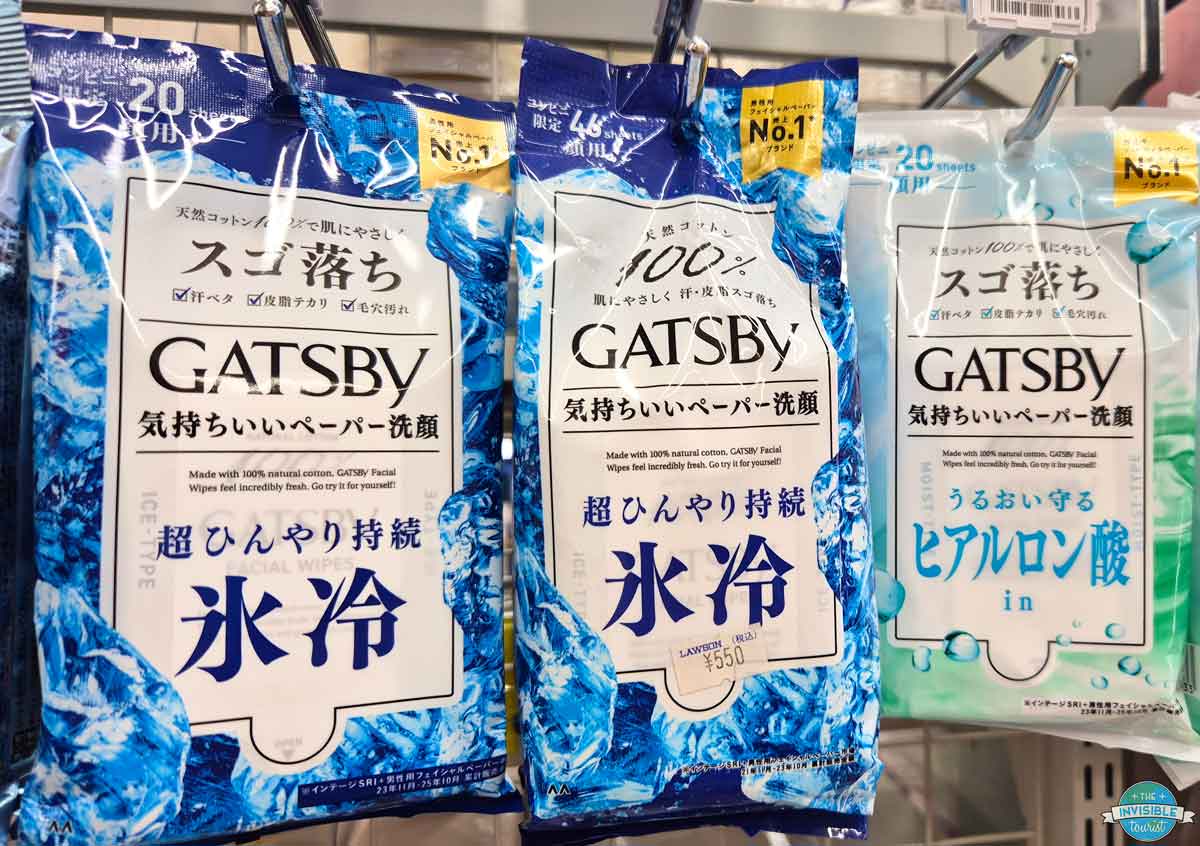
My top konbini (convenience store) items I can’t go without in Japanese summers are Gatsby wipes – not the regular kind, make sure they’re the ice kind (氷) for a cooling residue on your skin. And of course, Coolish soft serve ice cream pouches! Cooling ice neck rings are also a thing if you need.
What’s the weather like during summer in Kyoto Japan?
| MONTH | AVERAGE HIGH | AVERAGE LOW | AVERAGE RAINFALL |
| June | 28°C | 20°C | 139 mm |
| July | 31°C | 24°C | 140 mm |
| August | 33°C | 25°C | 104 mm |
Source: timeanddate.com
As a comparison to popular visitor months with less rain, April receives 104mm or November receives 99mm. Kyoto summer weather creates the wettest time to visit. But don’t worry… As mentioned earlier, the rain comes and goes throughout the day especially in June. Grab a konbini umbrella and keep exploring!
What to wear in Kyoto’s hot summer?
Japan is a conservative country when it comes to fashion. From both a culturally acceptable perspective and to stay cool, here’s what you should wear in Kyoto in summer (and what not to if you’d like to blend in!)
- Kyoto in June: Still cool in evenings, especially at the start of the month. A light cardigan helps when the sun goes down.
- Kyoto in July: Days are hot, evenings are mild, bring a small umbrella for intermittent rain.
- Kyoto in August: The hottest time, no need for any layers! Still bring that umbrella as it can double as shade.
Now you know the ways I personally recommend to beat the Kyoto summer heat and enjoy this embrace this season through Japanese culture. I hope you found this guide helpful and aren’t so worried about visiting Japan’s old capital during the summer months!
Japan travel guides and itineraries
- Find out where to stay in Kyoto to avoid crowds based on my tried-and-tested stays.
- Love Kyoto and want to see similar places? These lovely Kyoto alternatives have fewer crowds.
- Only have ten days and want to skip the Golden Route completely? My 10 days in Japan travel itinerary to avoid crowds covers unique destinations overlooked by most foreign tourists.
- Have two weeks in Japan? My 2 weeks in Japan itinerary will help you see Japan’s “Golden Route” in a sustainable way.
- Curious to see where an extra week can take you? My Japan 3 week itinerary combines the Old and New Golden Routes.
- My itinerary for one week in Japan’s Tokai region also avoids crowds.
- Planning a special occasion? My Japan honeymoon itinerary covers romantic spots in lesser-known destinations to help you avoid crowds.
- Thinking of a road trip? My detailed 7 day Kyushu itinerary covers sights overlooked by foreign tourists, utilising train and rental car, with the option to extend to 10 days.
- Thinking of visiting more of rural Japan? My 10 day Shikoku itinerary takes you well off the beaten path.
- Want to to enjoy all the facets of Japan but without the crowds? Check out my Izu Peninsula itinerary including plenty of alternatives to popular spots else where in Japan.
- Find out the essential Japanese phrases for tourists (plus feee PDF cheat sheet), what you need to pack for Japan and more on my extensive Japan blog.
If you found this Kyoto accomodation guide helpful please share it with your friends, join my free Japan Off the Beaten Path Facebook Group or follow along on Facebook, Pinterest, YouTube, Instagram and TikTok for more Japan inspiration!
Until next time,

Like it? Pin it! 📌
This guide to summer in Kyoto contains some affiliate links, at no extra cost to you. I may earn a small commission if you decide to make a purchase and if you do, thanks for your support! This helps with the costs of running my blog so I can keep my content free for you. As always, I only recommend a product or service that I genuinely love and use myself!
Loved this! I especially liked your point about summer in Kyoto getting a bit of a bad rap. There are definitely ways to enjoy it without spending the whole trip melting in the heat and surrounded by crowds 😅
Thanks so much, Hikari-san! You’re absolutely right 😎