
Unforgettable Things to Do on Miyajima Island: Day Trip Guide
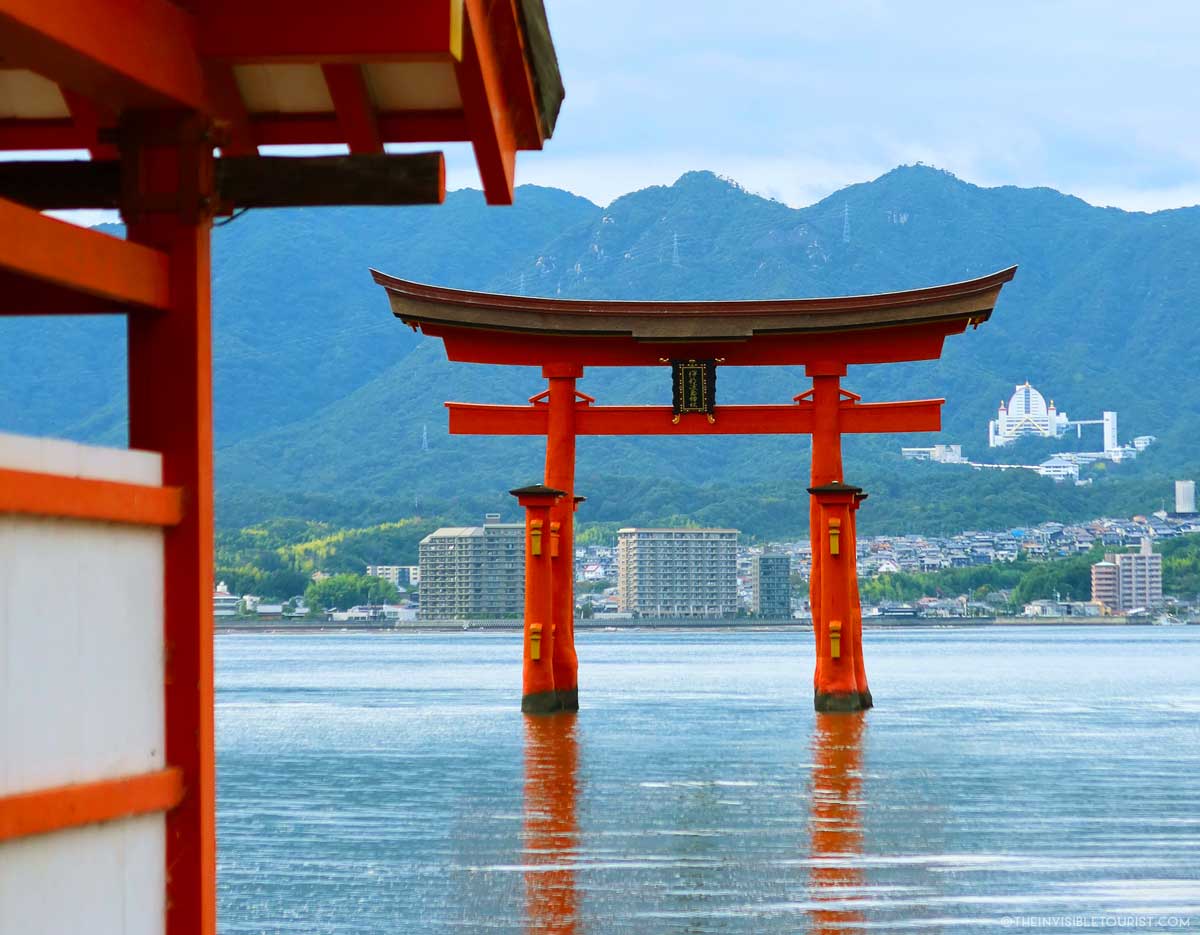
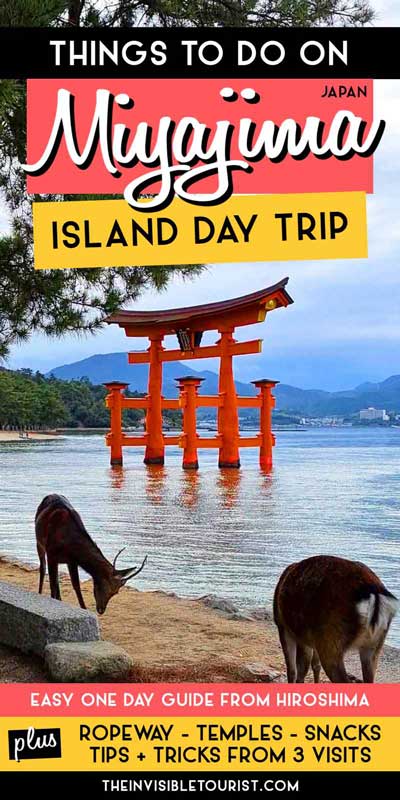
Looking for things to do on Miyajima Island beyond Itsukushima Shrine and the deer? The Grand Torii gate rising from the water here is an icon of the country, gracing the pages of travel brochures and Japan travel blogs like mine. But there is much more to the island than this!
I’ve visited Miyajima three times from Hiroshima since 2014, and I’d happily go back again. I’ve been as part of a couple, solo, and with kids, and have seen more than a first-time visitor. Based on all my experiences, I’ll share the most efficient way for you to visit.
This guide covers everything I love to do on a day trip, from Mount Misen, overlooked temples, the sacred deer, to the shrine and torii, and what to do if you arrive at low tide. Along the way I’ll share what to skip (and what not to do), so you can make the most of your day. Read on for more!
This post contains affiliate links, at no extra cost to you. I may earn a small commission if you click through and make a purchase.
TIP: This is the second half of my Miyajima planning advice. For how to get to the island with a ferry-by-ferry comparison and current prices, see my guide to the Hiroshima to Miyajima ferry. This Miyajima day trip is also part of my guide to things to do in Hiroshima, my 2 week Japan itinerary and 3 week Japan itinerary.
How much time do you need on Miyajima Island?
Miyajima Island, known formally as Itsukushima (literally “Shrine Island”), is worth at least a full day of your time so you can see the sights without being rushed.
Half a day is enough for the shrine, the torii and a wander down the shopping street. If you’d also like to visit Mount Misen and the temples, I recommend planning a full day and to catch one of the last ferries back to Hiroshima in the evening.
Unforgettable things to do on Miyajima Island
My guide for getting from Hiroshima to Miyajima compares the three ways to get there. So, what to do on Miyajima Island once you’re there? For the popular sights and overlooked spots, here’s the order I recommend for the day based on my trial and error:
- Go straight to the ropeway and up Mount Misen (or the hike, if you’re feeling brave).
- Daisho-in, Momijidani Park and the pagoda on the way back down.
- Omotesando street for snacks and souvenirs on the way back to the shrine.
- Itsukushima Shrine and the Grand Torii last. Know the closing time before you set off.
Of my three visits to Miyajima (each almost 5 years apart), the Miyajima ropeway was only running once… on my third visit! On my second trip I tried hiking up to Mt Misen, and gave up after 30 mins in the summer heat, heh.
I say to head to the ropeway first thing for two reasons:
- Bad weather or high winds can suspend the ropeway’s operation
- The queues only get larger as the day goes on, as most visitors head to Itsukushima Shrine first.
Make a beeline for the ropeway and Mount Misen’s peak
Head straight here when you arrive, before the day gets busy and while the ropeway is running (the last ride up is 16:00). The quickest (and less exhausting) option up is to take the ropeway to the top of Mount Misen, the island’s highest peak. There are hikes too, which I’ll detail below.
Ropeway to the Summit
I definitely recommend the cable car, but keep reading to find out what to do if it’s closed (which happened to me on two of my three trips, urgh!).
- Cost: 1,100 yen one way or 2,000 yen return for adults.
- Operating hours: Going up, 9:00am to 16:00. Coming down, until 16:30. It’s closed in bad weather and for maintenance twice a year, around February and July, so check the ropeway’s website before you go.
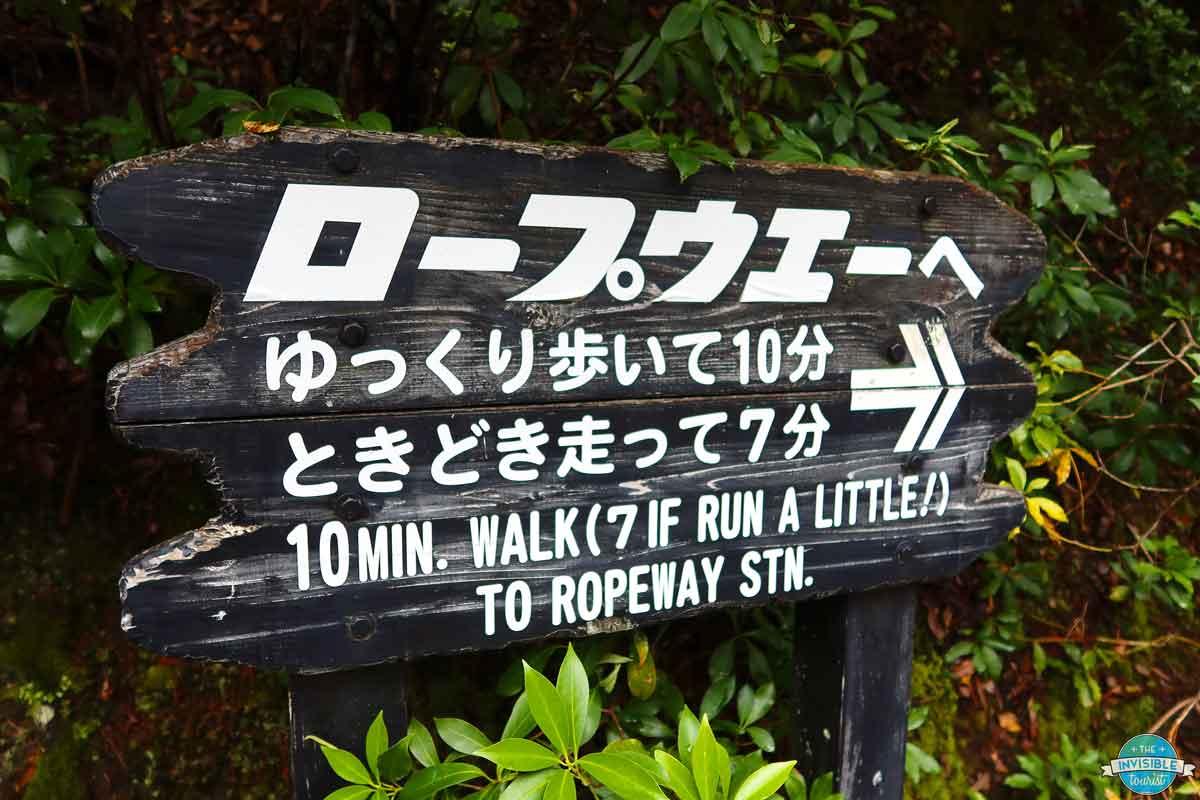
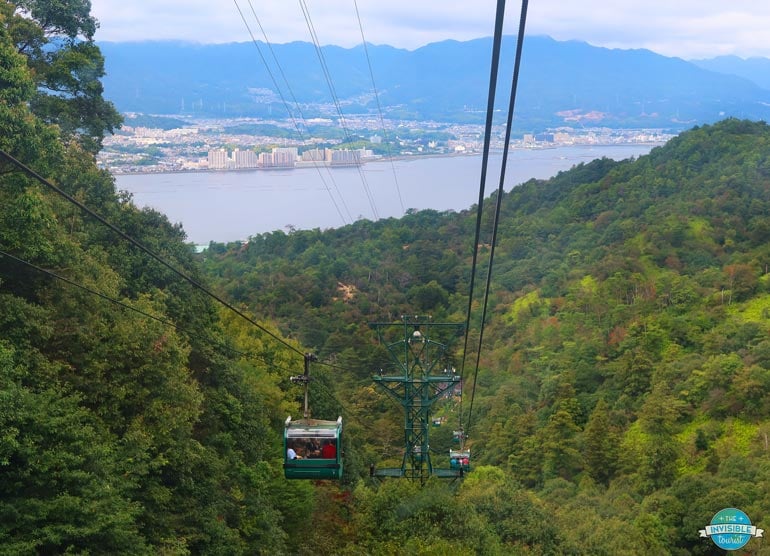
The first cable car from Momijidani fits about 6 people, before you transfer into a larger cable car at Kayatani to reach Shishiiwa Observatory at the summit. The views are breathtaking and you can see all the way back to Hiroshima!

Hike to the summit
On my second Miyajima visit, the ropeway was closed again (how unlucky), so I decided to make the trek up to the summit.
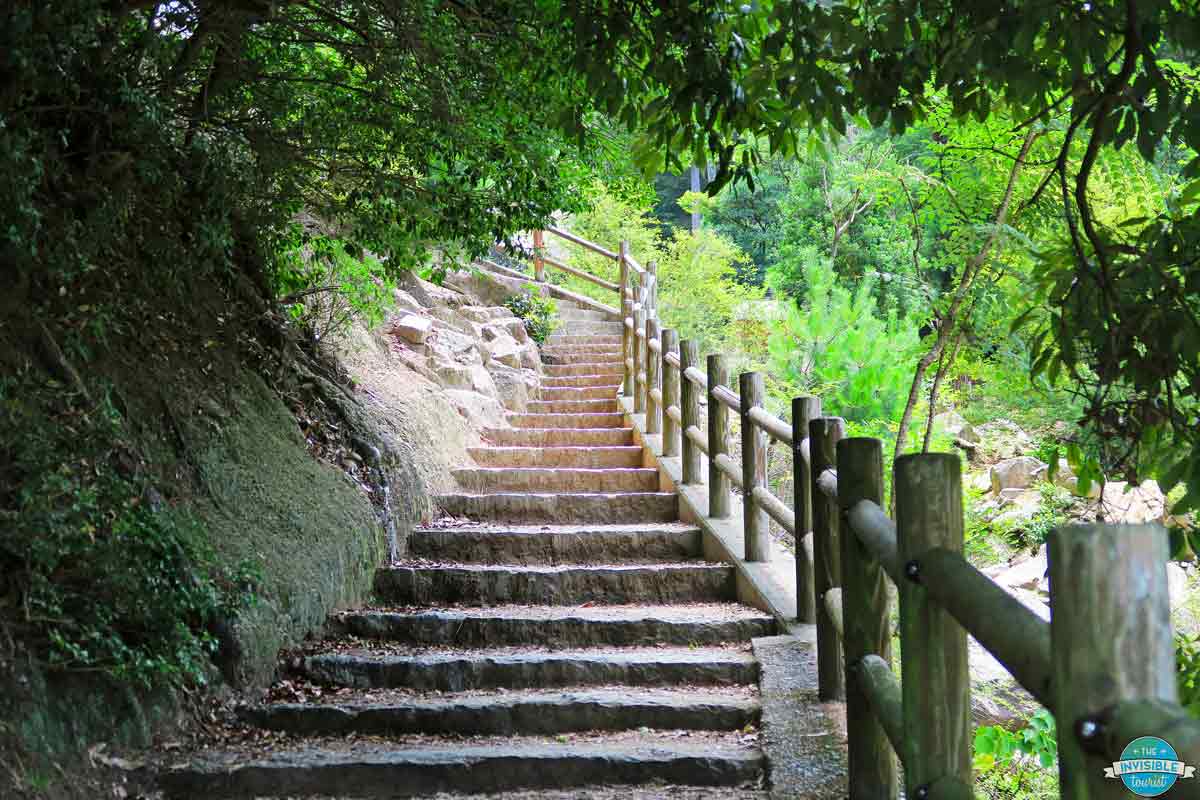
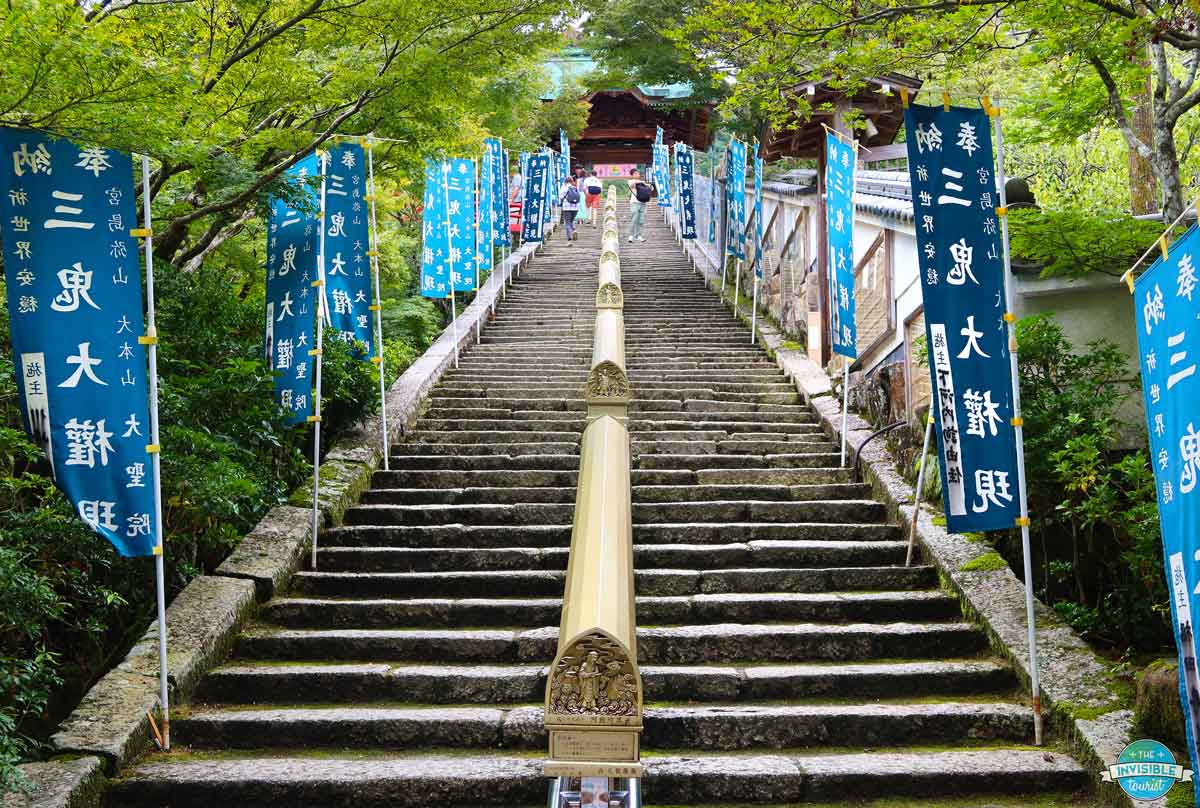
Despite it being a hot summer’s day, I was all gung-ho to be rewarded by views from Mount Misen over the island, and I knew it would be a tough slog. I took the easiest Daishoin Route, but in all honesty I made it about 30 mins in (out of 2.5 hours up the mountain). I was completely exhausted! I’m a petite build and not overly unfit, but the stairs are never-ending, without many spots to stop and take a break.
I made it to the point 5 lookout on the map below, absolutely sweating like a pig. As I wanted to explore more of the island, and knew I had at least another 2 hours of climbing to reach the summit (and back again!), I cut my losses and enjoyed the view from Satomichaya Observatory.
NOTE: There are warning signs on the path about viper snakes and wasps. The snakes are poisonous, so tread carefully and give these creatures plenty of space if you encounter them. The signs include a phone number to call if you are bitten.
TIP: If you prefer not to go it alone, you may enjoy this private hidden hiking tour of Mount Misen and the island’s shrines with a friendly local guide. The half-day tour includes entry to all shrines, the ropeway and a special lunch at the summit. Having a local with you to explain more about Japanese culture is a wonderful way to enrich your experience.


Visit Daisho-in, other temples and gardens
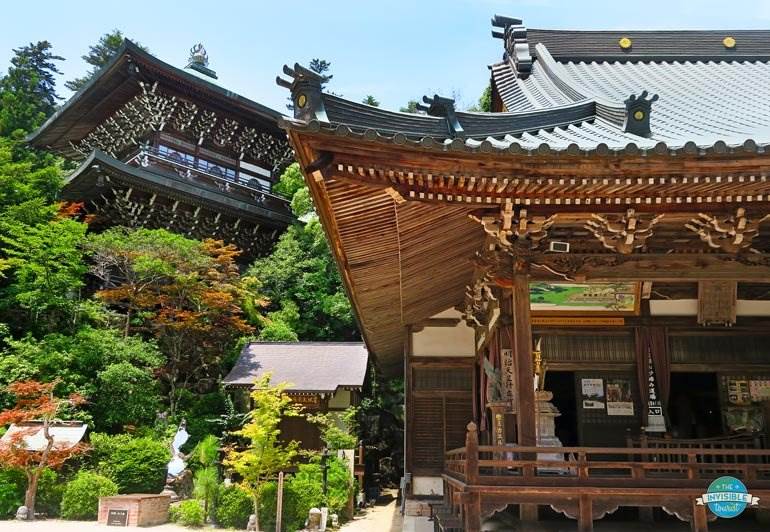
Next up after Mt Misen, visit the Buddhist temple Daisho-in, a short walk from the ropeway station at Momijidani Park. It was founded by Kobo Daishi in 806 AD, this guy got around! Take a look at my itineraries for Shuzenji Onsen and Iya Valley in Shikoku for more.
This was where the Shingon branch of Buddhism was first practised here on the island, and the grounds feature a number of smaller temples. There are a few unique things to experience:
- My kids enjoyed finding their stone zodiac animals and throwing a small clay ball into a pot to make a wish.
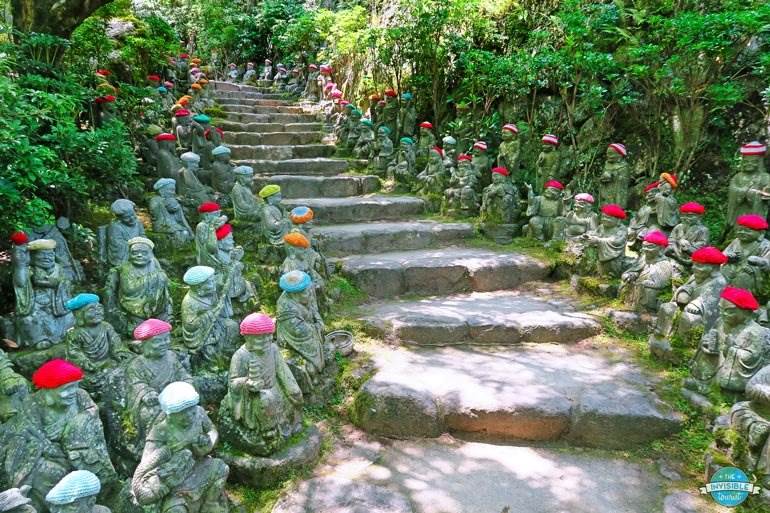
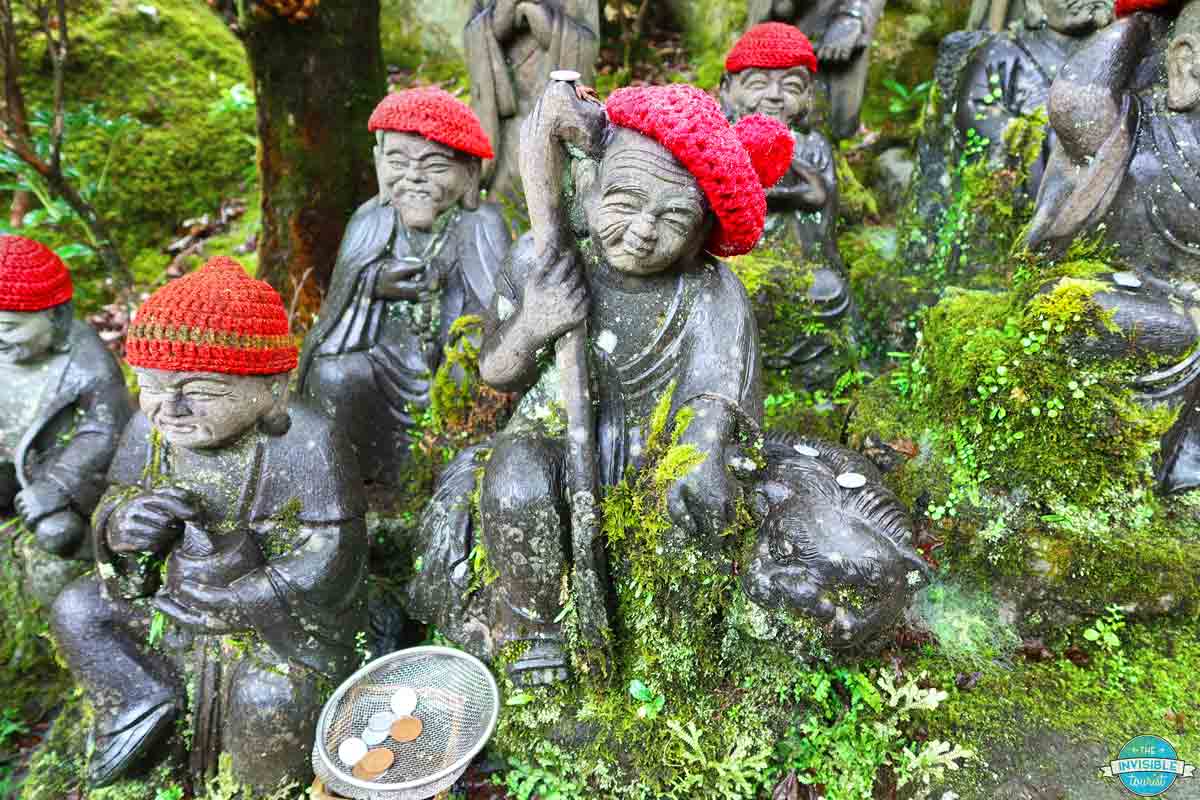
- Don’t miss the garden of thousands of jizo (stone guardians) with their colourful hats.
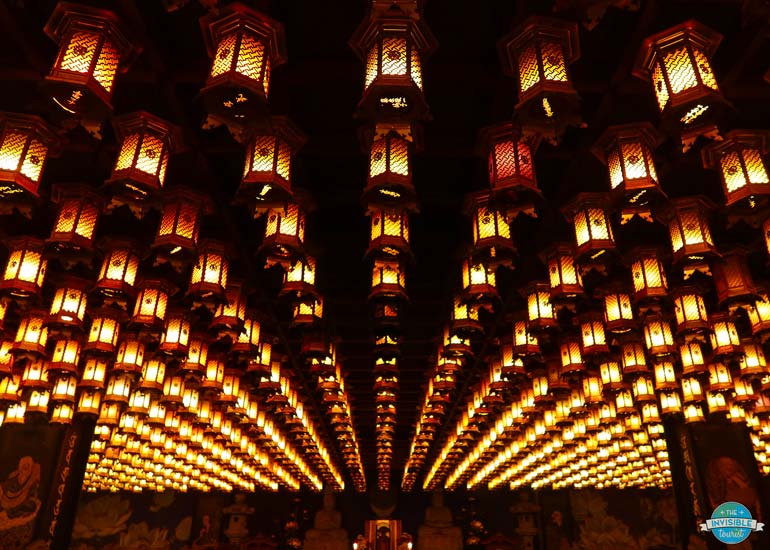
- Overlooked Henjo Cave is my personal favourite and easy to miss, its ceiling covered by glowing yellow lanterns.
- Enjoy a break at Momijidani Park (Maple Garden). In summer, the shade is a welcome escape from the warmth. In autumn, the adjacent river comes alive in red hues as the leaves begin to change.
TIP: If time permits, the Museum of History and Folklore will give you an insight into life on the island over the centuries.
Shop along Omotesando Street
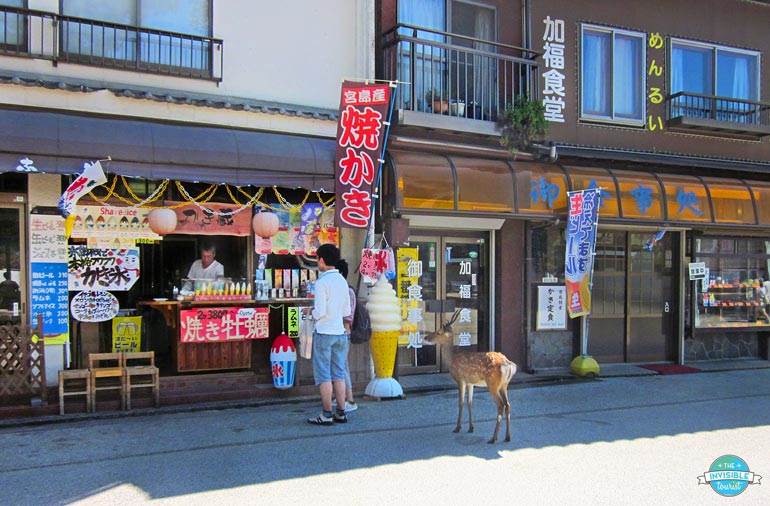
Once you are back down the mountain, stroll along Omotesando Street on the way to the shrine. You’ll find lots of cafes, ice cream shops, souvenir stores and the world’s largest wooden rice spoon, located near the post office.
Miyajima is one of my favourite places in Japan for souvenirs, with so much variety in the small, family-run stores. Keep an eye out for sneaky deer trying to nibble your belongings!
I bought a lovely silk-screen scarf, T-shirts, folding fans, tsuko-tegata and delicious sweets unique to the Hiroshima region. For more ideas, read my guide to meaningful Japanese souvenirs.
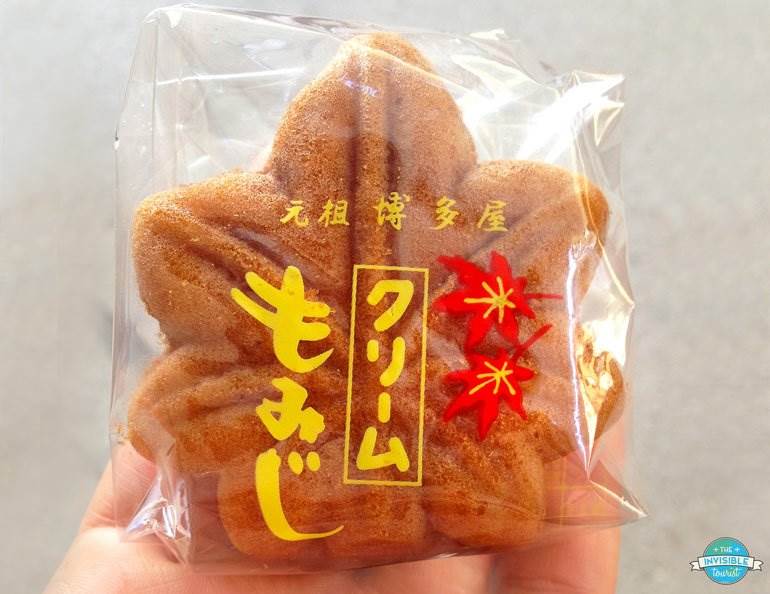
Try the local specialty, momiji manju
These mini cakes are a specialty of Miyajima and were first created during the late Meiji period. Famed for their maple-leaf shape, momiji manju are filled with red bean paste or many other flavours, including vanilla bean custard, my favourite! They’re named after Momijidani (Maple Valley) on Miyajima Island.
While I passed on these, some popular street food you can try on Miyajima are grilled oysters and anago-meshi, conger eel on rice.
See the stealthy deer
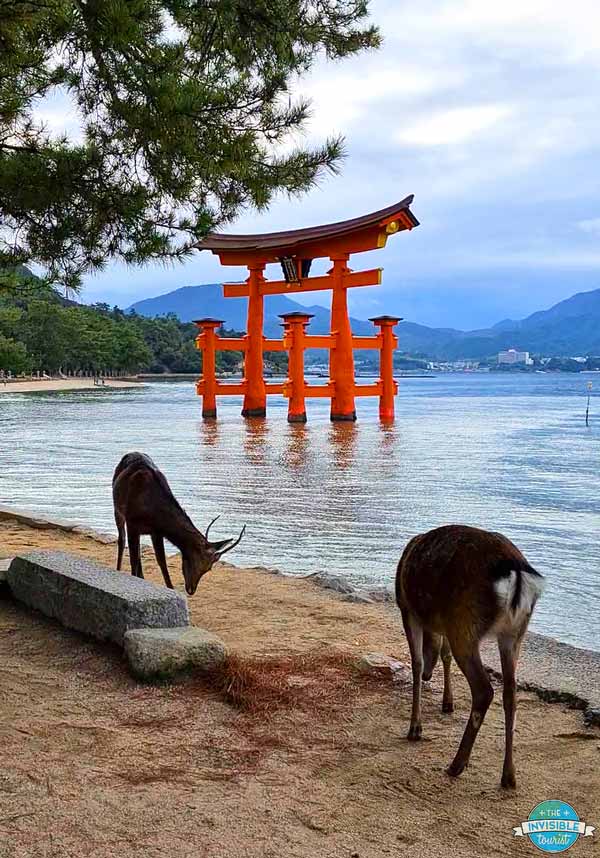
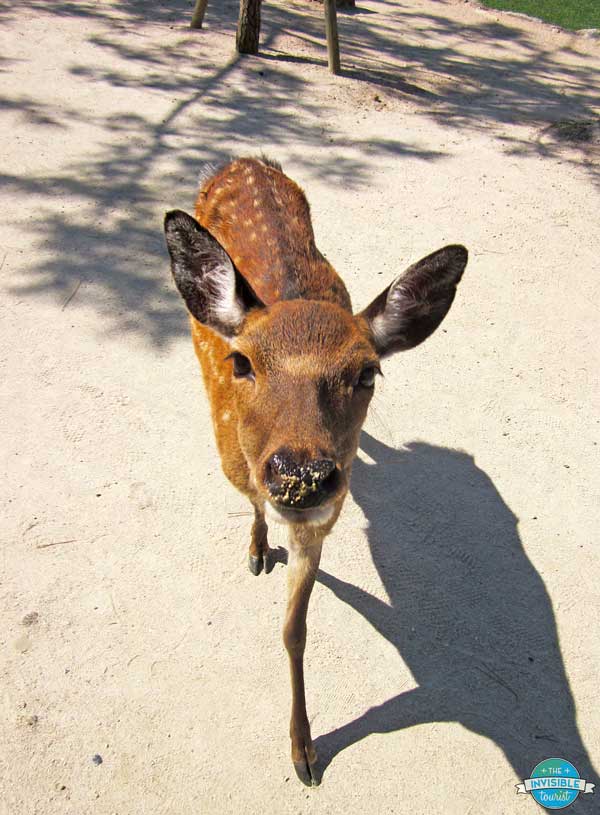
Make a furry friend out of the sacred deer that roam freely around the island. In ancient times, these deer were thought to be messengers from the gods.
TIP: Buy some deer food for 200 yen from a stall to feed the deer. Please don’t feed them human food because it has been known to make deer quite sick. Be warned, they will go after your paper items such as bags and maps, and may kick or butt if they feel threatened. Overtourism in Japan is having a negative impact on these deer, so please be mindful when you visit their home and don’t be that annoying tourist.
Finish the day at Itsukushima Shrine
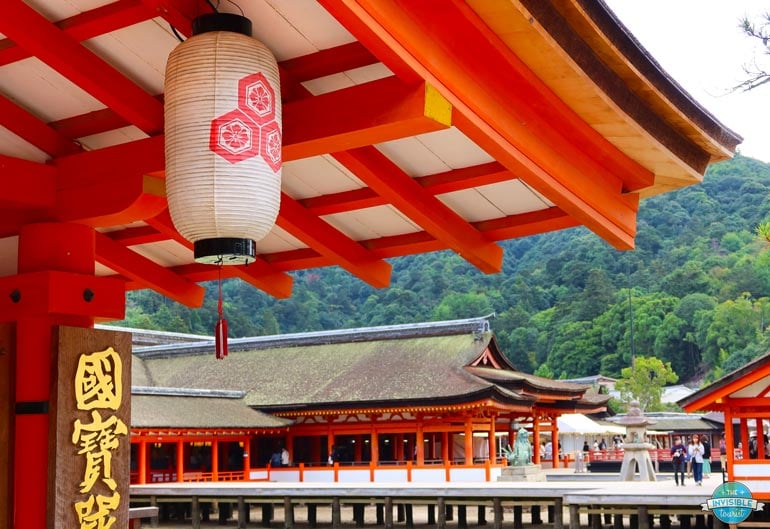
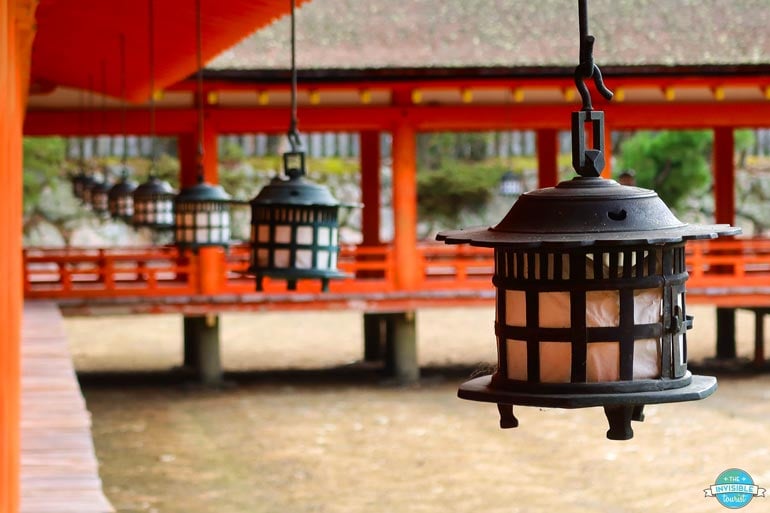
Save the famous Itsukushima Shrine (Itsukushima-jinja) to end the day before heading back to Hiroshima by ferry. Originally built over the water in 593 AD, the shrine is made up of 20 wooden buildings connected by boardwalks and has given the island its name. It really is unique and a must-visit on any Miyajima day trip.
- Cost: 300 yen for the shrine, or 500 yen for the shrine and Treasure Hall together.
- Opening hours: They change with the season, so check the shrine’s own page before you go.
TIP: Keep track of the time. Because the shrine is your last stop, know its closing time before you set off (it changes with the season, see the link above), leave enough time to walk the boardwalks before it closes, and remember the last ferry back to the mainland.
TIP: It does get busy in some places of the shrine, and tourists all queue up on the pier to have a photo with the torii floating in the background. You can stand a little to the side of the tourists queuing, and get almost the same picture!

Admire the Grand Torii Gate
The Grand Torii is one of the most visited attractions in the country, and an icon of this Shinto shrine. Would you believe there’s been a torii floating here since the 12th century? The vermilion gate is an internationally recognised icon of Japan.
From July 2019 to December 2022, the Grand Torii underwent extensive restoration. Its vermilion colour was repainted for the first time in 15 years, and its roof was replaced for the first time in 25 years. Damage caused by tourists jamming coins into the cracks was also investigated and repaired (more on this below).
Restoration was set to be completed by the 2020 Olympics but was delayed when the gate was found to be rotting from the inside. But now she’s complete, and isn’t she a beauty!

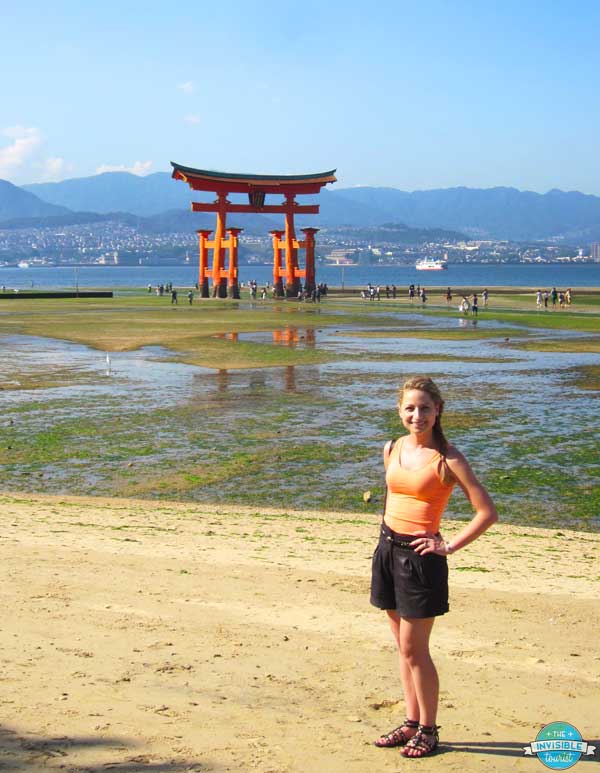
Visiting Miyajima at low tide
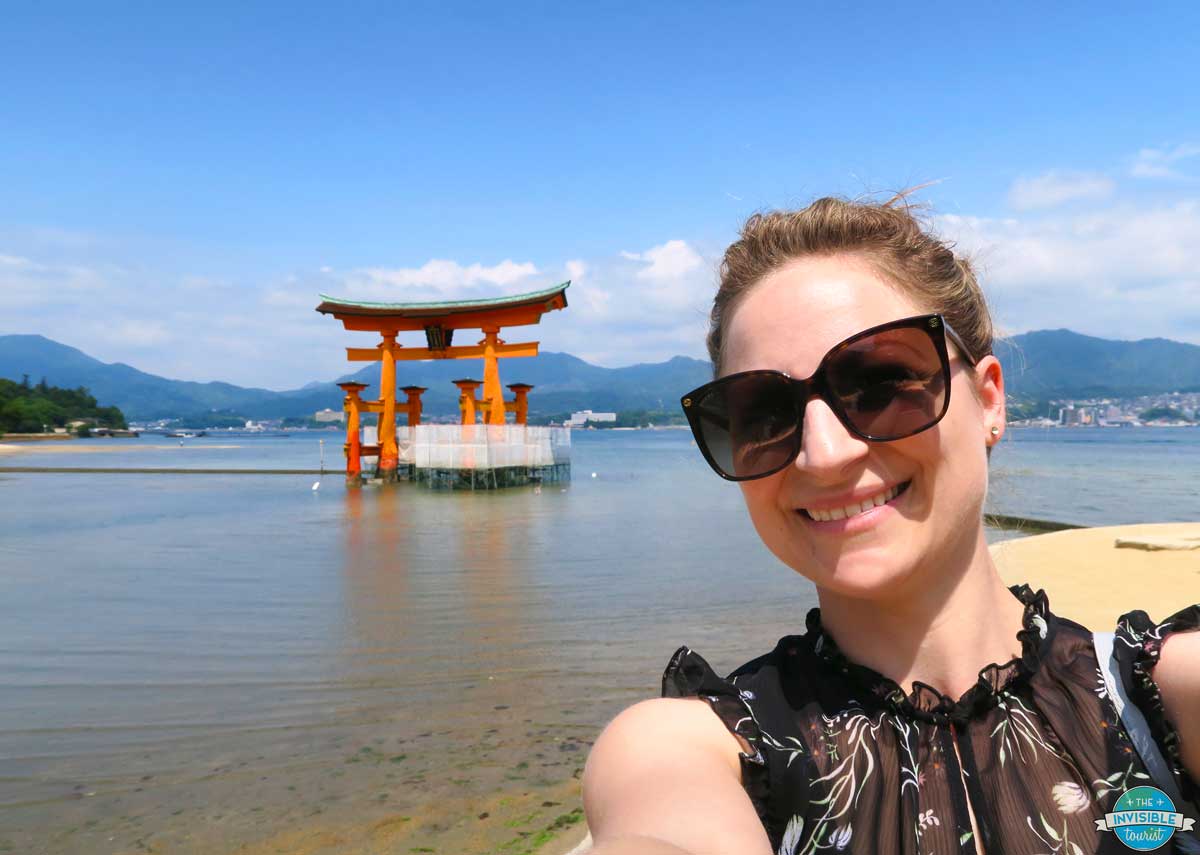
Many Miyajima travel guides will say it’s an absolute must to visit at high tide. While that’s a wonderful sight, the reality is that it may not always be possible. We can’t all plan our holidays around the cycles of the moon! If you’re fortunate enough to visit at high tide, you’ll see the Grand Torii in all its glory (oh, that rhymes!).
Check the tide times before your trip to find out whether the Grand Torii will be at high or low tide during your visit. And if it happens to be low tide, do not be disappointed. Here’s why visiting Miyajima at low tide can be just as good:
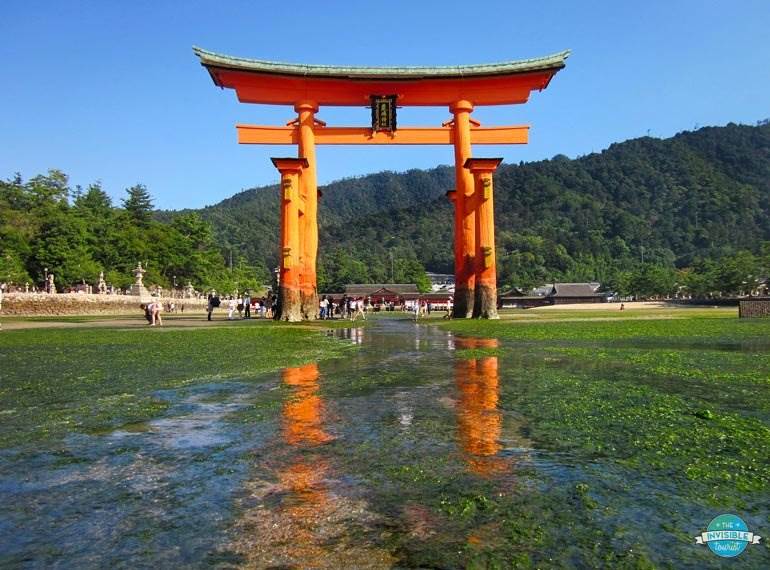
- You can walk right underneath this superb structure. Thousands of barnacles call the Grand Torii home, and worshippers used to balance 100 yen coins between them as an offering and for good luck.
- You can take some awesome close-up photos of the gate, including the intricate details written on its top.
- You can appreciate how big it actually is, and how high the tide reaches, by examining the black marks left on the gate. This is hard to do from the shoreline!
- You can look back at Itsukushima Shrine and the island from a different perspective.
What not to do in Miyajima
If you plan on leaving an offering to the shrine, please think twice about placing it on the Grand Torii gate. Until 2019, tourists rammed coins into cracks forming in the gate’s timber. This caused considerable damage and compromised its stability. If visitors begin to do this again, the gate may slowly weaken over time. It would be such a shame to harm another of Japan’s UNESCO World Heritage sites.
Instead, “be invisible” by leaving your offering in the collection box inside the shrine. We need to work together to preserve the things tourists love so they are around for future generations.
鳥居が倒壊する、おそれがあるので…RTwitterお願いします(^_^;)厳島に呼ばれた意味が、わかりました(^_^;)この硬貨をみてください(^_^;)ヒビにいれたら…サラにヒビがはいり…最悪倒壊します(^_^;)世界遺産の鳥居がなくなったらイヤになりますよ(^_^;)神社は、テーマパークでは、ありませんよ(^_^;) pic.twitter.com/JEC4jNLG1o
— 靈氣治療師 龍水 麒麟(観) (@riyusuisuiriyu) February 3, 2018
Tips for visiting Miyajima Island
- Take enough cash for the day: To my knowledge there are only two ATMs on the entire island. One is near the post office and the other is on the other side of town along Hatsukaichi street. You may be lucky to find one in the foreign exchange centre, but it’s best to avoid lengthy queues and be prepared beforehand.
- Pay the visitor tax: Everyone landing on Miyajima pays 100 yen. It’s added to your ferry fare, or charged separately if you use a Japan Rail Pass. See my Hiroshima to Miyajima ferry guide for how each ferry handles it.
- Don’t plan a short visit around the ropeway: It’s closed in bad weather, so have a plan B, like the Daisho-in route.
- What to do on Miyajima island at night? As mentioned, I haven’t stayed the night on Miyajima as yet. From my research, dining options are limited in the evenings and close early. However, if you’d like to enjoy the island without the day trippers, staying in a ryokan here would be lovely.
- Allow a full day for Hiroshima, too: You can do a guided trip to Hiroshima and Miyajima in one day, but I think it’s rushed. Hiroshima and her sights, including the Peace Memorial Museum, deserve at least a full day to begin to appreciate the scale of what happened in August 1945.
Miyajima Japan FAQ
What is Miyajima Island famous for?
Itsukushima Shrine and its floating Grand Torii gate, both UNESCO World Heritage listed, plus the sacred deer, Mount Misen and the maple-leaf-shaped sweets called momiji manju.
Is Miyajima worth visiting?
Yes, it’s one of my favourite places in Japan, and worth a full day. It’s also one of the top places to visit in Japan.
How do you get to Miyajima Island from Hiroshima?
By ferry. The fastest is the direct Aquanet ferry from the Peace Memorial Park (about 45 mins), or you can take the train and a 10 min JR ferry from Miyajimaguchi. I compare all three Miyajima island ferries in my Hiroshima to Miyajima ferry guide.
Do I need to see Miyajima at high tide?
No. High tide gives you the floating gate, but at low tide you can walk right up to it. I’ve experienced each, and both were worth it to me.
What should I not miss on Miyajima?
My top things to do on Miyajima Island include visiting Itsukushima Shrine and the Grand Torii, a ropeway ride up Mount Misen (if it’s running) are the obvious ones. But Daisho-in with its jizo garden and hidden lantern cave is my top lesser-known spot on the island.
Where to stay in Hiroshima for a Miyajima day trip
I’ve stayed in 3 hotels in Hiroshima over the years and can recommend each:
- RIHGA Royal Hotel, Hiroshima was my favourite for two nights during my first visit. Fantastic location and easy access to the Peace Park for the direct Aquanet ferry to Miyajima.
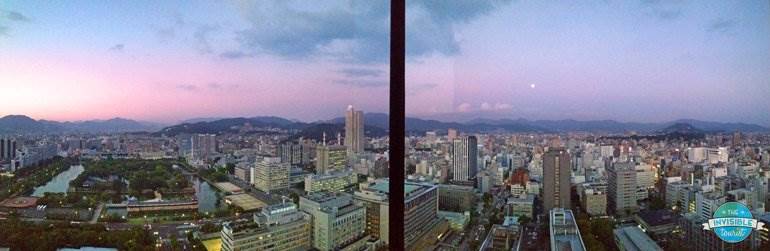
- I’ve also stayed at the Washington Hotel Hiroshima. It’s in a great location, right near Okonomimura and Hondori Arcade. It has amazing views over Chuo-dori, especially at night.
-
The other was the KIRO by Share Hotels Hiroshima. KIRO’s rooftop bar is great and this is an ideal hotel if staying with more than 3 people in one room (a challenge in Japan sometimes!)
Concluding the best things to do on Miyajima Island
Miyajima is undoubtedly a day well spent. A shrine that seems to float, deer wandering, a mountain with a view all the way back to Hiroshima, and a quiet temple hidden up the hill. Which of these things to do in Miyajima Island are you adding to your trip? Let me know in the comments below.
I have shared loads of tips and tricks for Japan from my visits to 39/47 prefectures, focussed around how to be an invisible tourist while you’re there. Even if it’s your first visit, my popular Japan travel blog with dozens of helpful articles includes do’s and don’ts for visiting, hidden gems, city guides, cultural etiquette, experiences and much more. Why not take a look while you’re here?
- Hiroshima to Miyajima: 3 Ways to Get There Compared
- Where to stay in Hiroshima: 3 Locations (and one I skip)
- Meaningful & Fun Things to do in Hiroshima
- 10 Day Shikoku Itinerary: Japan’s Least Visited Island
- Onomichi Day Trip Itinerary
If you found this helpful or know someone who is planning a trip to Japan, please share it around! You can also explore beyond the main touristy sights with my dedicated Facebook group to Japan Off the Beaten Path, and come and join me on Facebook, Pinterest, Instagram, YouTube, and TikTok for more Japan inspiration!
Until next time,

Do you love Japanese sweets, snacks and candies?
Read my Tokyo Treat Review and get popular Japanese snacks delivered here, or read my Sakuraco review and get traditional Japanese sweets delivered here!
Like it? Pin it! 📌
This guide to things to do on Miyajima island Japan guide contains some affiliate links, at no extra cost to you. I may earn a small commission if you decide to make a purchase and if you do, thanks for your support! This helps with the costs of running my blog so I can keep my content free for you. As always, I only recommend a product or service that I truly love and use myself!