
Should We Use Airbnb? 8 Troubling Problems You Didn’t Know
What are the troubling, lesser-known problems with Airbnb and similar platforms? Here on my blog I always say, “As Invisible Tourists, we want to support locals of the places we visit, not make their lives more difficult.”
In recent years, the use of home-stay accommodation has exploded internationally. Sitting on the sidelines with one watchful eye monitoring this trend, as usual I decided to be a bit of a skeptic before jumping on the bandwagon and investigate the little-known facts about using a service like Airbnb for myself.
Despite its growing popularity there are some pretty troubling issues with Airbnb and their similar counterparts, leading many to ask if there are any ethical alternatives to Airbnb? Here I’ll reveal what it’s like to lift the lid on the hidden Pandora’s box of this craze – the results may surprise you, as they did me!
Yes, loads of people use Airbnb all the time without issues and that’s fine. Different people prioritise different things because there are different types of travellers. Many of my fellow travel bloggers could get you discounts on your first Airbnb booking and that’s fine, too.
In saying that, there is a time and a place for these services so I’d rather speak about the unpopular truths buried under the discount codes that are worth considering before booking a stay with a homestyle accommodation service like Airbnb.
NOTE: I first published this article in March 2018 and have updated it since to reflect more recent events. It was regarded as an unpopular opinion at the time. Be sure to read my concluding comments for my overall thoughts on short-term homestay services.

Airbnb problems: Important reasons to reconsider using these services
I can totally hear people questioning my logic… They’re thinking, “But, aren’t you all about travelling like a local and helping people learn how to not look like a tourist? Then what’s wrong with renting a local’s place on Airbnb? It’s harmless and it’s cheaper than hotels, right?”
Ermm, not exactly.
There’s a saying, “Don’t knock it ‘til you’ve tried it” so truth be told, I have stayed in an Airbnb before. I was with a group for a girls’ getaway and my friend had booked the accommodation on our group’s behalf.
The place was fine (although I prefer to have my own bed rather than share with a friend!) However due to the facts I discuss below, it just wasn’t for me and may not be for others as well.
Let’s start with a few questions:
- Do you value your precious travel time, hate inconveniences and prefer to play it safe with accommodation rather than put yourself in a position that could have been avoided when you travel?
- Do you also prefer to enjoying everything a city has to offer without feeling like you’re getting in the way of locals going about their daily lives?
If you answered yes to these questions, you’re likely to prefer hotels and other forms of traditional accommodation. If you answered no, the below facts may give you reason to reconsider using homestay accommodation services like Airbnb for your next trip.
While Airbnb’s slogan is “travel like a local,” there are some dark truths that actually make life more difficult for the locals they claim to support.
Let’s get into it!

1. Airbnb could be illegal in the city you’re visiting
This is a pretty surprising and very important point. Just because there are listings for a destination doesn’t mean the host and Airbnb are abiding by the local laws. For instance, here are some facts that might make us think twice about using Airbnb and similar services in the below major cities.
These are just a few examples and definitely not the only places where Airbnb is problematic. I highly advise doing some research into the destination if considering using Airbnb for accommodation:
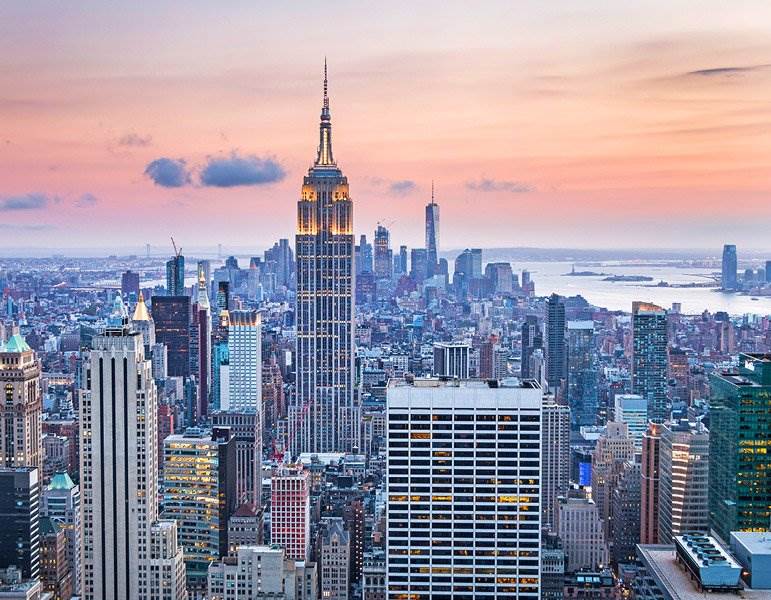
Airbnb problems in New York City, United States
Did you know in 2014 that 72% of reservations made in New York City were illegal?
The New York state attorney general’s office released a report on Airbnb listings that revealed this unfortunate fact. Local laws in New York make it illegal to rent an entire apartment on Airbnb for less than 30 days, as this helps to keep the long-term supply of property available to locals. Despite this, New York City is one of Airbnb’s biggest markets where listings under 30 days are available to tourists.
“Airbnb consistently undermines the City’s efforts to preserve affordable housing, and regularly attempts to thwart regulations put in place to protect New York City residents.” ~ statement from NYC Council members Helen Rosenthal and Jumaane Williams.
Airbnb problems in Barcelona, Spain
What are the Airbnb in Spain problems? Almost half of holiday rentals in the country’s second-largest city of Barcelona are unlicensed according to the council, which makes them illegal.
In 2016 Barcelona fined Airbnb €600,000 for refusing to adhere to local laws by continuing to advertise unlicensed properties. As a result, Catalonia’s capital has a team of inspectors who wander the streets sniffing out illegal rentals using designated apps that cross-reference licences with advertised properties. This helps to identify illegal properties and gives authorities the power close down the premises, boot out occupants and fine the owner €60,000.
“Barcelona exists for its people. The priority is it’s a place to live.” ~ Janet Sanz, Barcelona Housing Councillor.
TIP: Read my crucial Barcelona travel tips to not look like a tourist when visiting.

Airbnb problems in Paris, France
In 2015, 44% of advertised properties on Airbnb were permanently available for rental, despite laws in France’s capital stating that holiday rentals are capped at only being available for 120 days of the year.
The survey that revealed this disturbing fact triggered raids across Paris and fines of up to €25,000 for hosts. However, the authorities are now looking to increase this fine to €100,000 like Berlin (see below). It is now necessary for hosts to obtain a registration number from the Town Hall so authorities can monitor the 120 day cap is not exceeded and so hosts cannot avoid paying taxes.
Airbnb problems in Mexico City, Mexico
Due to Mexico’s lax travel regulations during the pandemic, Mexico City saw an influx of remote workers (known as “digital nomads”) in addition to tourists.
This surge in visitor numbers in need of accommodation caused a 40% increase in rent prices in popular neighbourhoods, pushing out long-term locals and small businesses in favour of more profitable short-term Airbnb rentals.
It also caused a change in the social fabric of some communities, where trendy coffee shops popped up to cater to their new American or European guests.
Additionally, the local local government has recently signed an initiative with Airbnb to continue to boost remote worker numbers in the city, which in turn will add to the housing crisis.
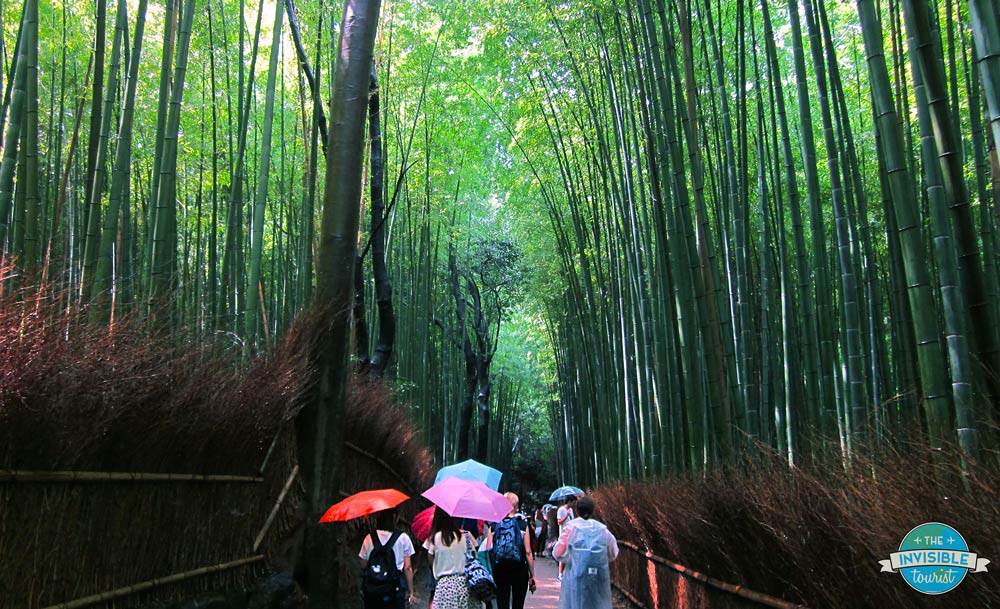
Airbnb problems in Japan
The recent explosion of visitors to Japan looking to travel on the cheap meant Airbnb’s started popping up in unzoned areas to capitalise on the new demand.
Being an ultra-conservative country, locals filed an overwhelming number of “tourist pollution” complaints: unruly tourists coming and going at all hours, hosting noisy parties in otherwise quiet neighbourhoods and disrespecting local customs.
In June 2018 the Japanese government resorted to tackling illegal Airbnb and similar homestay accommodations across the country (known as “minpaku”) by requiring hosts in legally zoned areas to obtain a minpaku license, placing 180-day quotas on when properties can be available to rent and shutting down those who did not comply. This crackdown is said to have cost Airbnb $10 million.
READ MORE:
Crucial Paris Travel tips to Not look Like a Tourist
4 Days in Paris Itinerary: Complete Guide for First-Timers
Issues with Airbnb in Berlin, Germany
Germany’s capital got so tired of Airbnb creating a rental property shortage for locals they created a law entitled “Zweckentfremdungsverbot”…
A bit of a tongue-twister, right? Roughly translating to “Anti-Airbnb” this law bans short-term leasing of properties to tourists without a city permit. Hosts in Berlin can be fined up to €100,000 for disobeying this law and you could be left without accommodation if your host is busted.
Airbnb issues throughout Europe
In 2019, ten European cities banded together and sent a joint letter to the European Commission highlighting the flaws of services like Airbnb. Cities who suffered from “explosive growth” of short-term Airbnb listings – Amsterdam, Barcelona, Berlin, Bordeaux, Brussels, Krakow, Munich, Paris, Valencia and Vienna – demanded the Commission address this issue during their next agenda.
Many Other Destinations: Illegal Subletting
Another disturbing trend with unregulated accommodation is illegal subletting. Did you know recent statistics in Australia revealed that 35% of Airbnb listings are by people who don’t even own the property, and do so without the knowledge of their landlord?
“Think of what you’d say to a neighbour if they were to ask who you are and why you’re staying there… Awkward.” ~ Alyse.
While tenants may not see an issue with secretly renting out their spare room on Airbnb for extra cash, there are risks involved for both the tenant and property owner. What the tenant fails realise is they could actually be in breach of their leasing agreement by having additional people reside in the property.
This leads to exceeding the number of people residing on the premises, handing out security keys without authorisation, no applicable insurance for issues related to subleasing, more issues regarding illegal subletting here. A tenant subletting without the permission of the property owner can result in eviction.

2. Airbnb can have negative impacts on locals’ quality of life
This is one of the lesser-known Airbnb problems. Tourists hiring a place on Airbnb to enjoy a “cheaper” holiday actually pushes rent prices up for locals who need to live in the city. Tourists are visitors competing with locals for accommodation. The only difference is locals need it long-term, but hosts can charge tourists more for short-term stays so this is way more appealing to some.
For instance in 2018 on the Spanish island of Palma de Mallorca, tourist lets sharply increased by 50% due to demand, which in turn lead to residential rents rising by 40%. This made housing unaffordable for most local residents and pushed them out. As a result the island voted to ban Airbnb listings to make housing affordable for residents who needed to live and work.
Making the conscious decision to save a few bucks on a trip should not come at the expense of an actual local’s way of life. As invisible tourists we want to support locals of the places we visit, not make their lives more difficult!
Residents are also concerned raised Airbnb complaints about the constant stream of different tourists bumping their luggage up and down stairs in apartment blocks as well as coming and going at all hours. For long-term residents it’s easy to empathise that all the thumping and noise is bound to get annoying.
As someone who lives in a city where over 200,000 properties sit vacant due to landlords not renting them to locals (or anyone at all), I’ve seen first-hand how this has negatively impacted the rental market by causing prices to skyrocket as long-term rentals for locals become scarce. It isn’t really fair (or arguably ethical) on the local population trying to get by.
It’s also becoming known that some Airbnb hosts are treating their rentals as businesses. Padlocks or combination touchpads on doors rather than keys, instructions stuck around the property and “No Smoking” signs are dead giveaways that the Airbnb is being treated as a permanent holiday rental, which I mentioned previously under point #1 is probably an illegal listing. What happened to just renting out a spare room?
3. Privacy is never guaranteed
So, your host has also allowed friends to crash at their place during a stay and failed to mention it at any point. This may put a damper on the romantic weekend away planned with a partner, as the intimate moments they were hoping for may not be so intimate after all!
Recently, some stories have emerged about Airbnb hosts using sneaky hidden cameras in the bedrooms of their rentals. If that oddly-placed object or random smoke alarm appears to have a little webcam lens on closer inspection, that thing could be hooked up to the internet and the host is watching guests’ every move.
This became such a huge problem for guests, in March 2024 it led Airbnb to announce the ban of indoor security cameras for properties listed on their platform. Airbnb hosts found violating this policy would be permanently removed.
Alternatively, in a hotel we aren’t going to be left surprised with an unexpected stranger when returning to our room after a long day of sight-seeing. The likelihood of being spied on in a hotel room is much less of a risk. A hotel doesn’t need to spy on guests because they have insurance cover. It’s never ok to film someone without their consent.

4. You’re at the complete mercy of the host
One of the common Airbnb host problems? Even if a room is showing available, the host has the right to change their mind and cancel a booking at a moment’s notice. Personally, I prefer to be prepared and organised, and being left in limbo a few days before a trip – with all other accommodation in the area being sold out – literally sounds like my idea of a nightmare.
In another example, imagine arriving at an Airbnb only to find two people already there hanging curtains, a TV left face-down on the lounge and a strong dog odour throughout. Animal fur, hair and dust were all over the house, it clearly hadn’t been cleaned in very long time, mouse droppings were in the kitchen and other accommodation options nearby were all sold out. Here’s how Airbnb treated these guests in this actual situation.
Airbnb have thousands of complaints about how they can’t really do anything to assist guests who are left stranded. In contrast, hotels have a lot to lose from this and will find guests a room or compensate somehow if they’ve taken their money.
Let’s not forget the potential issue of a host running late to meet a guest to exchange keys. This unaccounted-for delay could seriously affect the guest’s travel plans and may lead to missing a crucial flight or train to their next destination. With a hotel, checking in and out times are made clear. During that period there is always someone at the front desk when we need to leave, so it’s simple to plan our journeys.
There isn’t always time to wait around for someone to race from one side of the city to the other to collect keys!
With many Airbnbs, hosts require guests to do the washing up, take out the rubbish and may leave them with other obligations they need to fulfil before checking out. We do all that at home, sometimes it’s nice to forget about that during a holiday.
READ MORE:
How to NOT Look Like a Tourist in New York City
7 Completely Annoying Reasons Why Mykonos is Overrated
Tourist vs Traveller: Why Invisible Tourist (Not Invisible Traveller?)
5. Lack of safety and security regulations
Consistent standards and regulations are lacking across Airbnb rentals as they are basically private properties. Due to this hosts don’t have to follow the same strict regulations that hotels do like fire, security and safety. What fire and other types of hazards are there in a rental? Can we tell from the photos?
As mentioned earlier, illegal subletting sees a tenant distribute unauthorised copied keys to short-term visitors, resulting in unknown people in a residential block having access to building amenities. This can be a major security concern for other residents in the building who are there legally.
People who list on Airbnb also don’t have to pay for the same insurances that hotels do, therefore if anything were to happen Airbnb may not cover guests at all. This also includes theft of cash/valuables from the property, whether it was from the host, other guests or as a result of a break-in. Is there even a safe or secure place to store our valuables during your stay?
Additionally, some of the properties may not be very child friendly which is sometimes only possible to be discovered on arrival.

6. Bait and switch
This is one of the most annoying Airbnb problems. If you’re not familiar with this sneaky tactic, bait and switch refers to the generally illegal act of “baiting” a guest into paying for a rental that is substituted for an inferior one later down the track. The intent is never to provide the rental in the great location with amazing photos the guest paid for.
If a host is being a bit shady, they may contact the guest close to their arrival date to inform them of the change. As it’s so late-minute, the guest may be left with no other option but to accept the sub-standard accommodation they offer instead, sometimes even for more money! Know your rights if this happens to you.
You’re not obligated to accept their new offer. If your host is asking you to switch without officially changing the reservation on Airbnb, you’ll need to ask the host to cancel your reservation so you can get a full refund. If you have further issues, you’ll need to immediately call Airbnb so they can resolve the problem for you or find another place to stay, which may prove difficult if all other accommodation in the area is sold out at the time.
This fraudulent trend is becoming more and more common with Airbnb. Sure it’s also possible this can happen with smaller hotels as well, but is less likely as hotels have much more to lose by participating in this dirty practice.
You can read some Airbnb bait and switch stories here and here to give you an idea of what could happen.

7. There’s no reception, housekeeping or room service
While this may not be a deal-breaker for some, there are unseen benefits. Hotels employ dozens of locals to take care of things like housekeeping, reception, concierge services, kitchenhands and the like to keep the place running smoothly. To me, providing locals with jobs is quite important and staying in a hotel supports this cause.
Additionally, the lack of a reception area with an Airbnb means checking in and out with a host may not be flexible enough to suit a guest’s travel plans. I was unbelievably annoyed when arriving at what was listed as a hotel in Onomichi Japan with rooms only to discover it was an Airbnb…
There was nowhere to leave luggage, no one to help in an emergency (the phone number provided had no English speakers — which is fine, if I was expecting it), a combination lock on the door that other people could know…
This was several years after I had first written this article and I reserved it through booking.com. The listing was so deceptive it even fooled me, it never mentioned any of these things. I would never have booked it otherwise.

8. Do tourists really need an entire kitchen (and house)?
A lot of the time tourists don’t really need an entire house or apartment with a kitchen when they’re travelling short-term. Isn’t visiting a new place all about getting out there and experiencing local, authentic food? In turn this helps to support local jobs and businesses.
If not supporting locals in other ways through cultural experiences and spending, cooking some noodles in an Airbnb in an effort to save money doesn’t really help anyone. Hotels, aparthotels and other traditional forms of accommodation can also provide the basic amenities needed for a stay.
Additionally, booking an entire apartment or house on Airbnb means tourists could be inadvertently taking away long-term accommodation from a local. If the rental is being run as a business by a company who has multiple property listings, it’s usually wise to steer away from it as it goes against the original idea that Airbnb was founded on — a property owner renting out a spare room.

What a lack of tourism does to neighbourhoods overrun with Airbnb listings
Now for the hidden Airbnb controversy. As we all know, in 2020 tourism completely ground to a halt due to a global event that shall not be named. This helped to starkly amplify the issues caused by short-term rentals for even the most stubborn of deniers.
When it comes to the often unseen disadvantages of Airbnb, let’s examine the knock-on effects caused by the absence of tourism in destinations that had high percentages of unregulated accommodation listings.
Airbnb issues in Lisbon, Portugal
In the early months of 2020, there were 22,000 Airbnb listings in Lisbon. A sudden lack of tourists meant the majority of these sat empty for months.
Urban geographer Luís Mendes from Living in Lisbon stated, “[2020] has helped expose the negative aspects of Portugal’s recovery from the financial crisis, which was driven by real estate and tourism rather than a focus on the basic needs of local people.”
This excellent article about overtourism in Lisbon, Portugal highlights the need and urgency for sustainable cultural tourism if you’re interested in learning more about the topic. Unfortunately, this issue is not unique to Lisbon and is further proof of why being an invisible tourist whilst travelling is win-win for everyone.
Airbnb issues in Barcelona, Spain
Local authorities are seeking to repossess empty short-terms rentals. If vacant properties don’t re-enter the long-term rental market for local residents, new legislation allows authorities to purchase them outright at 50% of the market value.
The plan for seized properties is to be rented by the city as public and subsidised housing, while potentially fining the owners from €90,000- €900,000 for properties left vacant for 2 years.
Airbnb issues in Athens, Greece
According to local residents in Kaisariani, Athens, their neighbourhood actually became a “tourist hotbed” full of Airbnbs rather than a residential area.
Airbnb issues in Paris, France
As one of Airbnb’s top destinations globally, tourism to Paris took a huge hit. According to the Deputy Mayor of Paris, the city “needs to use the pandemic to address affordable housing and supply.
In the four central arrondissements of Paris, a quarter of all properties are now no longer homes but purely short-term rentals for tourists. As a result the city is planning to hold a referendum on the future of Airbnb listings.
Airbnb issues in Dublin, Ireland
One of my Ireland travel tips for tourists is to avoid unregulated accommodation such as Airbnb. Due to increased demand in short-term listings from tourists and limited supply, Dublin saw rents for local residents skyrocket and more than double from 2011 – 2019.
The sudden lack of tourists in 2020 meant 64% of short-term Airbnb listings in Dublin rushed to enter the long-term rental market instead. Great news for locals, at least!

Concluding why we should reconsider services like Airbnb
Sure, there certainly are benefits of using Airbnb if it’s done in an ethical and legal manner.
Thousands of travellers use the platform without ever having an issue. I’m not here to dispute that and I’m certainly not saying ALL hosts are bad – it’s neither fair nor accurate to paint everyone with the same brush. Besides, this opinion piece is not about that. It’s about questioning whether a service like this should be allowed to continue unregulated.
There is a time and a place for homestay accommodation. For instance, in rural areas where accommodation choices are slim services like Airbnb can actually help locals. In major cities where there already is plenty of regulated accommodation, whole property rentals by hosts listing multiple properties should be avoided in order to help preserve local life and their culture.
If short-term rentals have taught us anything, it’s now very clear that they create the likes of a horizontal hotel that spans the breadth of a city, pushing out local residents.

I do think that initially the idea of Airbnb was fantastic a few years ago, where hosts would share a room of their home with a visitor who wished to experience the city like a local. Unfortunately, there are always people looking to make a quick buck, exploit the system and ruin the experience for everyone.
On an interesting (and maybe ironic) note, in the summer of 2023 Airbnb launched a new “Airbnb Rooms” initiative. Deciding to get back to their founding roots, this service allows travellers to rent out spare rooms rather than whole properties to save money. Do you agree with their reasoning?
As someone who values time more than anything else when travelling, the explosion of illegal listings, risks and ethical issues associated with Airbnb and the like do not outweigh the benefits of staying in a hotel for me personally. Considering that a pair of YouTubers also pranked Airbnb by listing a dollhouse and made $3,000 worth of bookings, it really begs the question of how much listings are actually checked.
By ignoring local laws, causing negative impacts on locals’ quality of life and lack of consistent standards, I believe unregulated homestay accommodation is unethical and I’m sorry to say for these reasons cannot support it.
What are your thoughts on these Airbnb problems? Do you feel the same? Let me know in the comments below! If you found this article helpful or you learnt something new, please share it or take a look at my popular travel guides and itineraries and my book for more ways to help you NOT look like a tourist on your next trip.
Alternatively, I’d love if you could join me on Facebook, Pinterest, and Instagram and TikTok for more travel tips and inspiration!
Until next time,

Like it? Pin it! 📌

Featured image & New York pin image credit: Unsplash
Paris pin image credit: Chris Karidis
Airbnb logo used under Wikimedia Commons
Like what you see? ✅ Sign up for my latest updates!

I for one love Airbnb. I have had excellent hosts and accommodations and only once had a problem and I had an Airbnb customer service rep help me immediately, solve the issue quickly and follow up later to make sure I was happy. I am writing to you currently from my 41st Airbnb. If you do your research it is a wonderful way to enjoy your travels. I don’t think a blanket negative opinion is fair as most hosts and accommodations are, in my extensive experience, great.
That’s great you’ve had great experiences with Airbnb, Laureen. It sounds like you do your research into them before your stay which is definitely a wise idea! As I mentioned in the conclusion of my article, I wasn’t saying all hosts were bad as it’s neither fair nor accurate to paint everyone with the same brush. The aim of the article was to make people aware of the negative impacts Airbnb and other homestay-stlye accommodation can have on locals and their way of life, that most potential guests probably didn’t know about 🙂
Airbnb is one of great options on accommodations 🙂
Couldn’t agree more, I’ve been based on a Greek island for the last few years and have seen first hand the negative effect that Airbnb has had on the local population. Rental prices have increased as wages have shrunk and it’s made some areas completely unoccupied for most of the year so all local businesses suffer.
Ohhh I am so sorry to hear that, Amanda. Poor Greece has enough problems as it is right now. Tourism is meant help boost the local economy and improve living standards for locals, not come at a negative cost to them. I hope something can be done about the unoccupied areas – that’s very sad and not very fair on the local population.
Ooh controversial I love it! I’ve used numerous AirBnBs, all over the world from Hollywood Boulevard to Crete and (touch wood) haven’t had any issues. Although we have always booked an entire apartment. Some of my favourite travel memories are due to Air BnB.
I agree with your points regarding illegal sub letting and the lack of local jobs (although majority we have stayed in have had cleaners) and find it similar to the local cabs VS Uber debate – its alot of “what if” risks but for me,for the time being anyway, the pros out weigh the cons.
It’s good to hear you’ve only had good experiences with Airbnb, Lauren. The good experiences are why people keep using them and that’s definitely understandable. Yes, illegal sub-letting is a huge issue and that’s one of the points I personally can’t get past. That’s interesting to hear yours have had cleaners so that’s a good thing for locals at least. You’re right, it is very similar to the Uber debate – technology moves faster than legislation in most cases!
Airbnb provides more jobs not the other way around. Also, illegal subletting is not the issue. People seem to associate the word illegal with immoral or unethical when in fact some people have to do these things to get by and may not even know what they are doing is illegal. As a renter I care more about about the house than my landlord does and this is one of the reasons I list one of the rooms in my home is because long-term tenants cause more damage. They get too comfortable, break the house, break my things. Airbnb guests are never here, they only come to sleep, wake up and shower and leave again. Airbnb is no longer illegal in Vancouver and nothing changed except the law. Its may be difficult to get past but it just takes some critical thinking.
Hi Jé, thanks for your thoughtful comments on my article. I agree with some of your points. While I agree some people unknowingly illegally rent their room etc on Airbnb to help them get by, unfortunately being ignorant to the local law isn’t an excuse to allow it to happen. It’s wonderful to hear that as a renter you personally take care of the place you are staying in, however from my personal experience I have seen the damage some (definitely not all) renters cause to a property simply because they don’t care; it’s not their problem. If only all renters, both long and short term, were mindful about where they stayed there wouldn’t be much need for this article. Good to hear it’s now legal in Vancouver – when it is legal and regulated there are some benefits. Thanks again for your comments 🙂
Agree, there are definitely issues with Airbnb. In the apartment building, I live we have several illegal ones. And now we seem to be constantly having problems with the Airbnb tenants – parking and blocking people in, being too loud, even throwing up in the elevator. As a residence association, we wanted to turn a blind eye, but really we can’t much longer.
I’m so sorry to hear that, Anisa. That’s very annoying and unfortunate for you. I understand most guests wouldn’t behave in that manner but there are always people who ruin the experience for everyone. I hope your building is able to figure out something soon so everyone can co-exist in a peaceful way. Thanks for your comment!
The possibility of hidden cameras is the big one that unsettles me, honestly! You highlighted some very important pointers! Although I’m not certain yet if I will skip Airbnb totally in the future :/
It is a bit creepy isn’t it? If you’re still thinking about using Airbnb in future, there are ways you can check for cameras to be sure you don’t get caught out (under the “sneaky hidden cameras” blue link in point #6 🙂
In the article linked it also mentions that hotels have been found to have hidden cameras as well. The argument that you shouldn’t book through Airbnb because of this is not really strong when the possibility of a camera is everywhere. Airbnb hosts are also insured up to a million dollars, and home owners can get insurance for other things as well so the argument that the reason behind Airbnb “spying” is because of insurance is not true… especially with voyeurs in the hotel industry.
I believe you fail to notice that pulling from a hotel industry is a small scratch on the stupendous amounts of money these companies make- and it directs that financial aid towards young couples saving for a house, elderly couples who like to meet new people, business men who have space they don’t use, and many other people who are only trying to make some money on the side. Losing local life is unavoidable, because we as a race are overpopulated and we’ll travelled- sorry but if you live in a city, or an up and coming neighbourhood, chances are you’ll hear an occasional party, people talking, and suitcase wheels- and get this- from locals AND tourists. Hotels are over priced, with just as many faults and misconceptions as air bnbs, but with the lack of character, warmth, living essentials, and the coziness that comes from visiting someone’s home. I agree that there should be laws and regulations to bookings and listings as well as a steady flow of communication between the host and their government and its laws- but I do not agree that there should be bans on a site that undeniably brings people closer. Ultimately, we should let people do whatever the hell they want with their spare room.
Thanks for your input, Tori. If you read the article and comments here I never said it should be banned. I questioned whether it should be allowed to continue unregulated because of many issues it has caused.
Gosh, so scary to think of all the possibilities! I’ve always been wary of using Airbnb but have tried twice and so far had good experiences. Like you’ve mentioned there’s definitely a chance things can go bad quickly though!
Many people do have good experiences and that’s ok, provided everything is legal in the city of course. I think if things turn bad the annoying thing about it is you have to go through a third party to try and sort it out. Thanks for your comment, Lisa!
Hmmm, I don’t disagree with some of your points but as a member of a family with small kids, Airbnb is a fantastic option. Hotels just aren’t great if you don’t much fancy going to bed at 8pm with your kids!
Haha yes I know first-hand that travelling with small kids can make things a little trickier. I agree Airbnb is a good option only if it follows all the local laws correctly, which in many cases it isn’t. Not all hotels’ rooms are studios where the whole family ends up being crammed into one room 😉
Cassie I hope that you or your kids never get injured in one. I got really severely injured my first day. Airbnb ghosted me and it took three days to get a response. I’m a few weeks into my injury with no assistance at all from them. And adjuster contacted me asking me for the story and that was it never heard back.
Hello,
I was stunned that Airbnb doesn’t do checks for safety. My daughter’s friend rented the Airbnb so she didn’t look into it until last minute. She asked me “what why would the Airbnb renter say keep the windows locked for safety?”
That was just the beginning of the longest weekend of my life. The Airbnb you rent could be in the middle of the worst neighborhood on the eastern seaboard. They rent to any area. This place was in what the residents call the 4 corners of hell. Sh**tings every other day within 2 miles of the building.
I’ve always thought this about Airbnb – I like them in theory, but I think it fails in execution.
You summed up the entire subject so perfectly in just a few words, Jessica – I completely agree with you!
I agree. I usually look exclusively for “guest houses” on a local’s property. It is such a shame people exploit such a great idea. I feel like if it’s solely a rental property it should fall under local laws for hospitality rentals. That would solve so many problems.
My small family stayed in a cool tiny pod house on a local farmer’s sheep lot in Scotland, which seemed a clever way to earn extra money.
You’re exactly right, Gray! I believe it would solve lots of problems as well. Your stay in Scotland sounds lovely!
I agree with you 100%. I used to use AirBnB travelling through Europe years ago. Once I booked a place in Oslo and turned up at the arranged time. The guy took another forty minutes to show up and when he did, told us he had to clean the place (it was 8pm by this point and we’d been stood outside waiting in December, in winter, in NORWAY). Also, the bed was advertised as being for two people and my boyfriend and I could barely squeeze onto it. After I started hearing about AirBnb longterm rentals making prices soar for locals, alongside my own experiences, I decided never to use it again. It was a great idea in theory, but in practice… not so much.
Goodness, LC!! December + 8pm in winter + Norway sounds like a very unpleasant and unforgettable combo. Maybe the bed was intended for 2 children?? Such a shame, I hope it didn’t tarnish your experience there too much. Good on you for also supporting locals by standing up to Airbnb – you’re right, in theory it is a great idea but the expectations can be very different to the reality unfortunately!
Used AirBNB a few times. Each time have found faults, flees,leaking showers, electric faults where system kept tripping, no heating in winter and my very last one a collapsed ceiling and damp smell and people throwing stones through the window (Lisbon, Alfama). I made a big complaint to Airbnb for a refund but they said I was in the wrong despite photos and obvious neglect from the owner who lived in France. Eventually Airbnb ignored my messages and now I don’t get a reply. I will never use them again. I urge people not to support these types of businesses for many many reasons. Hotels and Guest houses are far superior and u can argue face to face if u are I satisfied and usually they amend the situation with minimal fuss.
Goodness sounds like you’ve had your share of bad luck with Airbnb, Vic! Sorry to hear that. I agree about being able to discuss issues face-to-face with an authoritative figure as well. Over the internet it’s all too easy to just ignore the complaints and never reply. It’s rude.
You make some very good points! Personally my partner and I have had great experiences (most of the time) with Airbnb accommodation in Europe and North America in the past but nonetheless, it isn’t a perfect system by far!
Thanks so much, Lisa! Definitely, it wouldn’t be so popular if everyone had a dreadful experience. You’re right about it not being perfect, I believe there is a lot of room for improvement on Airbnb’s side. Hopefully one day we might see things change 🙂
DEAR Alyse
I have been travelling both for business (regularly) and for leisure (less regularly) many decades before all these online travelling platforms even existed, and my preference has always been towards B&B types of accommodation. Me (and my peers) preferred the ”family feel” of the places, not to mention the dramatic cost difference compared to a decent hotel booking (3 stars or higher).
The reason (-s)? The details on the dwellings are far more descriptive and comprehensive than those of any other platform I have used and know of and that for me is the actual catch, the excellent quality and quantity photos of each and every accommodation that are far better than those of any other site.
Kitchen: Yes, some of us NEED a kitchen, because after we return exhausted from a long day at a fair or a business trip to get to a place, we don’t always feel like going out in the crowd, there are ppl who prefer the privacy of their own space and we may love preparing a meal for ourselves, the way we like it. Is that a crime? Why couldn’t we try to have that, if possible? On other occasions we may love mingling with the locals and eat out, but having a kitchen gives you an extra option at no extra cost.
Thanks for your comment, Theresa. If you’re happy using Airbnb then that’s your choice 🙂 I compiled this list of reasons to explain why I personally won’t use homestay services like this, and to raise awareness of some problems that others may not have been aware of, especially the ethical and illegal concerns. People are free to analyse both sides of the debate and come to their own conclusions.
Theresa you seem to be well traveled and much more open to home environments like myself. It’s too bad you don’t write a blog about travelling. This is very well written.
Hi Rose, I take it you must have skipped over the part where I said I enjoy staying in traditional B&B’s in New Zealand and the UK 😉
Many of these are the reasons I precisely would stay at Air BNB.
And that’s completely your choice 😉
Thank you so much for publishing this. I live in a building with 14 apartments, of which 2 are short term lets with Airbnb and Booking.com. Last summer I felt like I was living in a cheap and unsafe hotel. Constant stream of strangers coming and going, communal door left unlocked, late night parties, masses of rubbish left outside. I’m pressing for legislation to regulate this business. I want to have real neighbours again.
Oh Lucy, I am so sorry to hear that! You shouldn’t be made to feel unsafe in your own home. This is the type of point I am trying to get across with my article – It may seem fine to use such services for a “cheaper” holiday, but if the rental is in an unzoned area it can become problematic for locals for the reasons you state. It’s a shame people can be so careless. And that’s only 2 out of 14 apartments in your block! I’ve read about some apartment buildings in Lisbon where most if not all apartments are Airbnb rentals. It definitely needs to be regulated! Thanks so much for your comment and I hope things get better for you somehow 🙂
It sounds like Airbnb isn’t regulated where you are and in that case you can report these complaints to the city and your building management. The same as with a tenant living there you can make noise complaints as well.
While you write a very thorough blog about the perspectives of guests; you might want to look into the headaches and problems of hosts. I have had my home trashed with no recourse from airbnb; when I wrote an unfavourable review of a guest who damaged my property, took items and left 6 bags (I know because I bagged them) of alcohol empties (after there was a no party rule), she turned around 6 months later (I assume when the unfavourable review was affecting her and her group of friends getting confirmations), and sent a report to Airbnb that I was a racist, so without even asking me about the truth, Airbnb limited my access and tried to force me to read and acknowledge a discrimination policy they had. Meanwhile, I teach inclusivity and multi-culturalism in my courses! Perhaps look into how airbnb actually handles issues – which it does pirmarily through automated emails, which is the one I got telling me to read and “sign” my understanding of a policy about what I already have been teaching for 20 years!
Oh goodness Tanya, that’s awful! Sorry that happened to you!! It’s dreadful when people throw around labels like that with no basis aside from they don’t like what you have to say. Plus, it dilutes the REAL meaning of the word. Airbnb definitely need ways to improve on issues such as yours, like allow you to counter-claim and present evidence. They shouldn’t just take the claimant’s word for it. It’s not like you would make up that someone trashed your home, you’ve nothing to gain from that especially 6 months after the fact!
Most of what you said in the article is fine, except about kitchen. Is my option if I want to eat out (to “support ” local restaurants), or to cook myself something. It’s like, you would try to force me to take a cab, instead of walking somewhere, to support local transportation!
If you dread the unknown, best you use a booking agency and commercial hotels. Thr Airbnb places I’ve been in have been super without exception.
I wouldn’t even consider an air B&B. It is just the strangest thing to be in a strangers house…. or to have strangers in your own house. I am all for privacy and don’t like feeling awkward. The entire concept is mind boggling honestly. I tried a B&B once out of pure necessity and won’t ever do that again either. Guess I’m old fashioned.
I’m sure many people share your sentiments, Heidi!
I manage residential apartment buildings in Sydney Australia. Airbnb is not permitted by the local council, is not permitted by the building bylaws and is not wanted by the apartment owners.
Since 2014 we have terminated 28 leases (entire apartments) due to people hosting Airbnb without seeking permission from the leasing agent or apartment owner.
These crooked hosts often use front persons to lease the property claiming they will reside there. They avoid paying tax.
Just in City of Sydney local government area there are > 10,000 listings (mostly illegal). Rents for local workers have skyrocketed in recent years.
Now it’s 2020 and with the current global issue, Sydney is in lockdown and most of these are being returned to the normal rental market. Some karma at last!
Great to hear you are one of few real estate managers on top of illegal listings, Phil! As you say, at least there is a silver lining to the situation the world is in right now 🙂
I did have a bad experience with Airbnb. I booked a rental two months ago on Hilton head Island and I received a phone call last week and they were doubling the rate. They gave me an option of canceling or paying the new higher rate. I wouldn’t pay the higher rate and I wouldn’t cancel so they canceled the reservation and I won’t be charged any fees. I really liked the place but it was the principle of shit, I just couldn’t pay them double after I received confirmation and even communicated with the host. It makes me uncomfortable now with Airbnb knowing that these things can happen.
Wow Cindy, that’s terrible – especially after you had already locked in the price and received a confirmation months ago!