
Should We Use Airbnb? 8 Troubling Problems You Didn’t Know
What are the troubling, lesser-known problems with Airbnb and similar platforms? Here on my blog I always say, “As Invisible Tourists, we want to support locals of the places we visit, not make their lives more difficult.”
In recent years, the use of home-stay accommodation has exploded internationally. Sitting on the sidelines with one watchful eye monitoring this trend, as usual I decided to be a bit of a skeptic before jumping on the bandwagon and investigate the little-known facts about using a service like Airbnb for myself.
Despite its growing popularity there are some pretty troubling issues with Airbnb and their similar counterparts, leading many to ask if there are any ethical alternatives to Airbnb? Here I’ll reveal what it’s like to lift the lid on the hidden Pandora’s box of this craze – the results may surprise you, as they did me!
Yes, loads of people use Airbnb all the time without issues and that’s fine. Different people prioritise different things because there are different types of travellers. Many of my fellow travel bloggers could get you discounts on your first Airbnb booking and that’s fine, too.
In saying that, there is a time and a place for these services so I’d rather speak about the unpopular truths buried under the discount codes that are worth considering before booking a stay with a homestyle accommodation service like Airbnb.
NOTE: I first published this article in March 2018 and have updated it since to reflect more recent events. It was regarded as an unpopular opinion at the time. Be sure to read my concluding comments for my overall thoughts on short-term homestay services.

Airbnb problems: Important reasons to reconsider using these services
I can totally hear people questioning my logic… They’re thinking, “But, aren’t you all about travelling like a local and helping people learn how to not look like a tourist? Then what’s wrong with renting a local’s place on Airbnb? It’s harmless and it’s cheaper than hotels, right?”
Ermm, not exactly.
There’s a saying, “Don’t knock it ‘til you’ve tried it” so truth be told, I have stayed in an Airbnb before. I was with a group for a girls’ getaway and my friend had booked the accommodation on our group’s behalf.
The place was fine (although I prefer to have my own bed rather than share with a friend!) However due to the facts I discuss below, it just wasn’t for me and may not be for others as well.
Let’s start with a few questions:
- Do you value your precious travel time, hate inconveniences and prefer to play it safe with accommodation rather than put yourself in a position that could have been avoided when you travel?
- Do you also prefer to enjoying everything a city has to offer without feeling like you’re getting in the way of locals going about their daily lives?
If you answered yes to these questions, you’re likely to prefer hotels and other forms of traditional accommodation. If you answered no, the below facts may give you reason to reconsider using homestay accommodation services like Airbnb for your next trip.
While Airbnb’s slogan is “travel like a local,” there are some dark truths that actually make life more difficult for the locals they claim to support.
Let’s get into it!

1. Airbnb could be illegal in the city you’re visiting
This is a pretty surprising and very important point. Just because there are listings for a destination doesn’t mean the host and Airbnb are abiding by the local laws. For instance, here are some facts that might make us think twice about using Airbnb and similar services in the below major cities.
These are just a few examples and definitely not the only places where Airbnb is problematic. I highly advise doing some research into the destination if considering using Airbnb for accommodation:
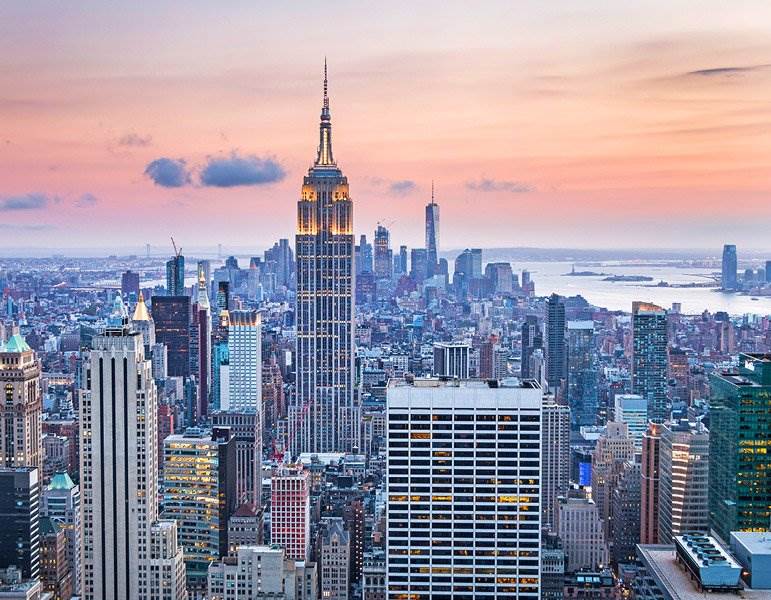
Airbnb problems in New York City, United States
Did you know in 2014 that 72% of reservations made in New York City were illegal?
The New York state attorney general’s office released a report on Airbnb listings that revealed this unfortunate fact. Local laws in New York make it illegal to rent an entire apartment on Airbnb for less than 30 days, as this helps to keep the long-term supply of property available to locals. Despite this, New York City is one of Airbnb’s biggest markets where listings under 30 days are available to tourists.
“Airbnb consistently undermines the City’s efforts to preserve affordable housing, and regularly attempts to thwart regulations put in place to protect New York City residents.” ~ statement from NYC Council members Helen Rosenthal and Jumaane Williams.
Airbnb problems in Barcelona, Spain
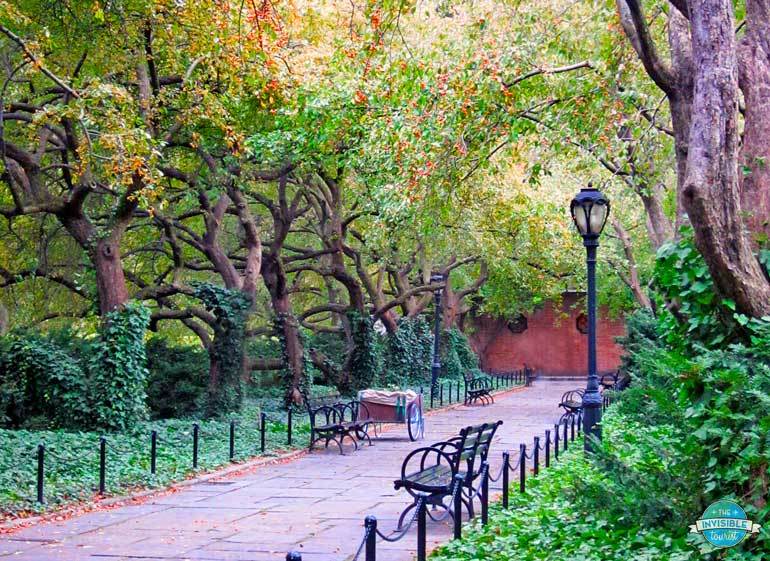
What are the Airbnb in Spain problems? Almost half of holiday rentals in the country’s second-largest city of Barcelona are unlicensed according to the council, which makes them illegal.
In 2016 Barcelona fined Airbnb €600,000 for refusing to adhere to local laws by continuing to advertise unlicensed properties. As a result, Catalonia’s capital has a team of inspectors who wander the streets sniffing out illegal rentals using designated apps that cross-reference licences with advertised properties. This helps to identify illegal properties and gives authorities the power close down the premises, boot out occupants and fine the owner €60,000.
“Barcelona exists for its people. The priority is it’s a place to live.” ~ Janet Sanz, Barcelona Housing Councillor.
TIP: Read my crucial Barcelona travel tips to not look like a tourist when visiting.

Airbnb problems in Paris, France
In 2015, 44% of advertised properties on Airbnb were permanently available for rental, despite laws in France’s capital stating that holiday rentals are capped at only being available for 120 days of the year.
The survey that revealed this disturbing fact triggered raids across Paris and fines of up to €25,000 for hosts. However, the authorities are now looking to increase this fine to €100,000 like Berlin (see below). It is now necessary for hosts to obtain a registration number from the Town Hall so authorities can monitor the 120 day cap is not exceeded and so hosts cannot avoid paying taxes.
Airbnb problems in Mexico City, Mexico
Due to Mexico’s lax travel regulations during the pandemic, Mexico City saw an influx of remote workers (known as “digital nomads”) in addition to tourists.
This surge in visitor numbers in need of accommodation caused a 40% increase in rent prices in popular neighbourhoods, pushing out long-term locals and small businesses in favour of more profitable short-term Airbnb rentals.
It also caused a change in the social fabric of some communities, where trendy coffee shops popped up to cater to their new American or European guests.
Additionally, the local local government has recently signed an initiative with Airbnb to continue to boost remote worker numbers in the city, which in turn will add to the housing crisis.
Airbnb problems in Japan
The recent explosion of visitors to Japan looking to travel on the cheap meant Airbnb’s started popping up in unzoned areas to capitalise on the new demand.
Being an ultra-conservative country, locals filed an overwhelming number of “tourist pollution” complaints: unruly tourists coming and going at all hours, hosting noisy parties in otherwise quiet neighbourhoods and disrespecting local customs.
In June 2018 the Japanese government resorted to tackling illegal Airbnb and similar homestay accommodations across the country (known as “minpaku”) by requiring hosts in legally zoned areas to obtain a minpaku license, placing 180-day quotas on when properties can be available to rent and shutting down those who did not comply. This crackdown is said to have cost Airbnb $10 million.
READ MORE:
Crucial Paris Travel tips to Not look Like a Tourist
4 Days in Paris Itinerary: Complete Guide for First-Timers
Issues with Airbnb in Berlin, Germany
Germany’s capital got so tired of Airbnb creating a rental property shortage for locals they created a law entitled “Zweckentfremdungsverbot”…
A bit of a tongue-twister, right? Roughly translating to “Anti-Airbnb” this law bans short-term leasing of properties to tourists without a city permit. Hosts in Berlin can be fined up to €100,000 for disobeying this law and you could be left without accommodation if your host is busted.
Airbnb issues throughout Europe
In 2019, ten European cities banded together and sent a joint letter to the European Commission highlighting the flaws of services like Airbnb. Cities who suffered from “explosive growth” of short-term Airbnb listings – Amsterdam, Barcelona, Berlin, Bordeaux, Brussels, Krakow, Munich, Paris, Valencia and Vienna – demanded the Commission address this issue during their next agenda.
Many Other Destinations: Illegal Subletting
Another disturbing trend with unregulated accommodation is illegal subletting. Did you know recent statistics in Australia revealed that 35% of Airbnb listings are by people who don’t even own the property, and do so without the knowledge of their landlord?
“Think of what you’d say to a neighbour if they were to ask who you are and why you’re staying there… Awkward.” ~ Alyse.
While tenants may not see an issue with secretly renting out their spare room on Airbnb for extra cash, there are risks involved for both the tenant and property owner. What the tenant fails realise is they could actually be in breach of their leasing agreement by having additional people reside in the property.
This leads to exceeding the number of people residing on the premises, handing out security keys without authorisation, no applicable insurance for issues related to subleasing, more issues regarding illegal subletting here. A tenant subletting without the permission of the property owner can result in eviction.

2. Airbnb can have negative impacts on locals’ quality of life
This is one of the lesser-known Airbnb problems. Tourists hiring a place on Airbnb to enjoy a “cheaper” holiday actually pushes rent prices up for locals who need to live in the city. Tourists are visitors competing with locals for accommodation. The only difference is locals need it long-term, but hosts can charge tourists more for short-term stays so this is way more appealing to some.
For instance in 2018 on the Spanish island of Palma de Mallorca, tourist lets sharply increased by 50% due to demand, which in turn lead to residential rents rising by 40%. This made housing unaffordable for most local residents and pushed them out. As a result the island voted to ban Airbnb listings to make housing affordable for residents who needed to live and work.
Making the conscious decision to save a few bucks on a trip should not come at the expense of an actual local’s way of life. As invisible tourists we want to support locals of the places we visit, not make their lives more difficult!
Residents are also concerned raised Airbnb complaints about the constant stream of different tourists bumping their luggage up and down stairs in apartment blocks as well as coming and going at all hours. For long-term residents it’s easy to empathise that all the thumping and noise is bound to get annoying.
As someone who lives in a city where over 200,000 properties sit vacant due to landlords not renting them to locals (or anyone at all), I’ve seen first-hand how this has negatively impacted the rental market by causing prices to skyrocket as long-term rentals for locals become scarce. It isn’t really fair (or arguably ethical) on the local population trying to get by.
It’s also becoming known that some Airbnb hosts are treating their rentals as businesses. Padlocks or combination touchpads on doors rather than keys, instructions stuck around the property and “No Smoking” signs are dead giveaways that the Airbnb is being treated as a permanent holiday rental, which I mentioned previously under point #1 is probably an illegal listing. What happened to just renting out a spare room?
3. Privacy is never guaranteed
So, your host has also allowed friends to crash at their place during a stay and failed to mention it at any point. This may put a damper on the romantic weekend away planned with a partner, as the intimate moments they were hoping for may not be so intimate after all!
Recently, some stories have emerged about Airbnb hosts using sneaky hidden cameras in the bedrooms of their rentals. If that oddly-placed object or random smoke alarm appears to have a little webcam lens on closer inspection, that thing could be hooked up to the internet and the host is watching guests’ every move.
This became such a huge problem for guests, in March 2024 it led Airbnb to announce the ban of indoor security cameras for properties listed on their platform. Airbnb hosts found violating this policy would be permanently removed.
Alternatively, in a hotel we aren’t going to be left surprised with an unexpected stranger when returning to our room after a long day of sight-seeing. The likelihood of being spied on in a hotel room is much less of a risk. A hotel doesn’t need to spy on guests because they have insurance cover. It’s never ok to film someone without their consent.

4. You’re at the complete mercy of the host
One of the common Airbnb host problems? Even if a room is showing available, the host has the right to change their mind and cancel a booking at a moment’s notice. Personally, I prefer to be prepared and organised, and being left in limbo a few days before a trip – with all other accommodation in the area being sold out – literally sounds like my idea of a nightmare.
In another example, imagine arriving at an Airbnb only to find two people already there hanging curtains, a TV left face-down on the lounge and a strong dog odour throughout. Animal fur, hair and dust were all over the house, it clearly hadn’t been cleaned in very long time, mouse droppings were in the kitchen and other accommodation options nearby were all sold out. Here’s how Airbnb treated these guests in this actual situation.
Airbnb have thousands of complaints about how they can’t really do anything to assist guests who are left stranded. In contrast, hotels have a lot to lose from this and will find guests a room or compensate somehow if they’ve taken their money.
Let’s not forget the potential issue of a host running late to meet a guest to exchange keys. This unaccounted-for delay could seriously affect the guest’s travel plans and may lead to missing a crucial flight or train to their next destination. With a hotel, checking in and out times are made clear. During that period there is always someone at the front desk when we need to leave, so it’s simple to plan our journeys.
There isn’t always time to wait around for someone to race from one side of the city to the other to collect keys!
With many Airbnbs, hosts require guests to do the washing up, take out the rubbish and may leave them with other obligations they need to fulfil before checking out. We do all that at home, sometimes it’s nice to forget about that during a holiday.
READ MORE:
How to NOT Look Like a Tourist in New York City
7 Completely Annoying Reasons Why Mykonos is Overrated
Tourist vs Traveller: Why Invisible Tourist (Not Invisible Traveller?)
5. Lack of safety and security regulations
Consistent standards and regulations are lacking across Airbnb rentals as they are basically private properties. Due to this hosts don’t have to follow the same strict regulations that hotels do like fire, security and safety. What fire and other types of hazards are there in a rental? Can we tell from the photos?
As mentioned earlier, illegal subletting sees a tenant distribute unauthorised copied keys to short-term visitors, resulting in unknown people in a residential block having access to building amenities. This can be a major security concern for other residents in the building who are there legally.
People who list on Airbnb also don’t have to pay for the same insurances that hotels do, therefore if anything were to happen Airbnb may not cover guests at all. This also includes theft of cash/valuables from the property, whether it was from the host, other guests or as a result of a break-in. Is there even a safe or secure place to store our valuables during your stay?
Additionally, some of the properties may not be very child friendly which is sometimes only possible to be discovered on arrival.

6. Bait and switch
This is one of the most annoying Airbnb problems. If you’re not familiar with this sneaky tactic, bait and switch refers to the generally illegal act of “baiting” a guest into paying for a rental that is substituted for an inferior one later down the track. The intent is never to provide the rental in the great location with amazing photos the guest paid for.
If a host is being a bit shady, they may contact the guest close to their arrival date to inform them of the change. As it’s so late-minute, the guest may be left with no other option but to accept the sub-standard accommodation they offer instead, sometimes even for more money! Know your rights if this happens to you.
You’re not obligated to accept their new offer. If your host is asking you to switch without officially changing the reservation on Airbnb, you’ll need to ask the host to cancel your reservation so you can get a full refund. If you have further issues, you’ll need to immediately call Airbnb so they can resolve the problem for you or find another place to stay, which may prove difficult if all other accommodation in the area is sold out at the time.
This fraudulent trend is becoming more and more common with Airbnb. Sure it’s also possible this can happen with smaller hotels as well, but is less likely as hotels have much more to lose by participating in this dirty practice.
You can read some Airbnb bait and switch stories here and here to give you an idea of what could happen.

7. There’s no reception, housekeeping or room service
While this may not be a deal-breaker for some, there are unseen benefits. Hotels employ dozens of locals to take care of things like housekeeping, reception, concierge services, kitchenhands and the like to keep the place running smoothly. To me, providing locals with jobs is quite important and staying in a hotel supports this cause.
Additionally, the lack of a reception area with an Airbnb means checking in and out with a host may not be flexible enough to suit a guest’s travel plans. I was unbelievably annoyed when arriving at what was listed as a hotel in Onomichi Japan with rooms only to discover it was an Airbnb…
There was nowhere to leave luggage, no one to help in an emergency (the phone number provided had no English speakers — which is fine, if I was expecting it), a combination lock on the door that other people could know…
This was several years after I had first written this article and I reserved it through booking.com. The listing was so deceptive it even fooled me, it never mentioned any of these things. I would never have booked it otherwise.

8. Do tourists really need an entire kitchen (and house)?
A lot of the time tourists don’t really need an entire house or apartment with a kitchen when they’re travelling short-term. Isn’t visiting a new place all about getting out there and experiencing local, authentic food? In turn this helps to support local jobs and businesses.
If not supporting locals in other ways through cultural experiences and spending, cooking some noodles in an Airbnb in an effort to save money doesn’t really help anyone. Hotels, aparthotels and other traditional forms of accommodation can also provide the basic amenities needed for a stay.
Additionally, booking an entire apartment or house on Airbnb means tourists could be inadvertently taking away long-term accommodation from a local. If the rental is being run as a business by a company who has multiple property listings, it’s usually wise to steer away from it as it goes against the original idea that Airbnb was founded on — a property owner renting out a spare room.

What a lack of tourism does to neighbourhoods overrun with Airbnb listings
Now for the hidden Airbnb controversy. As we all know, in 2020 tourism completely ground to a halt due to a global event that shall not be named. This helped to starkly amplify the issues caused by short-term rentals for even the most stubborn of deniers.
When it comes to the often unseen disadvantages of Airbnb, let’s examine the knock-on effects caused by the absence of tourism in destinations that had high percentages of unregulated accommodation listings.
Airbnb issues in Lisbon, Portugal
In the early months of 2020, there were 22,000 Airbnb listings in Lisbon. A sudden lack of tourists meant the majority of these sat empty for months.
Urban geographer Luís Mendes from Living in Lisbon stated, “[2020] has helped expose the negative aspects of Portugal’s recovery from the financial crisis, which was driven by real estate and tourism rather than a focus on the basic needs of local people.”
This excellent article about overtourism in Lisbon, Portugal highlights the need and urgency for sustainable cultural tourism if you’re interested in learning more about the topic. Unfortunately, this issue is not unique to Lisbon and is further proof of why being an invisible tourist whilst travelling is win-win for everyone.
Airbnb issues in Barcelona, Spain
Local authorities are seeking to repossess empty short-terms rentals. If vacant properties don’t re-enter the long-term rental market for local residents, new legislation allows authorities to purchase them outright at 50% of the market value.
The plan for seized properties is to be rented by the city as public and subsidised housing, while potentially fining the owners from €90,000- €900,000 for properties left vacant for 2 years.
Airbnb issues in Athens, Greece
According to local residents in Kaisariani, Athens, their neighbourhood actually became a “tourist hotbed” full of Airbnbs rather than a residential area.
Airbnb issues in Paris, France
As one of Airbnb’s top destinations globally, tourism to Paris took a huge hit. According to the Deputy Mayor of Paris, the city “needs to use the pandemic to address affordable housing and supply.
In the four central arrondissements of Paris, a quarter of all properties are now no longer homes but purely short-term rentals for tourists. As a result the city is planning to hold a referendum on the future of Airbnb listings.
Airbnb issues in Dublin, Ireland
One of my Ireland travel tips for tourists is to avoid unregulated accommodation such as Airbnb. Due to increased demand in short-term listings from tourists and limited supply, Dublin saw rents for local residents skyrocket and more than double from 2011 – 2019.
The sudden lack of tourists in 2020 meant 64% of short-term Airbnb listings in Dublin rushed to enter the long-term rental market instead. Great news for locals, at least!

Concluding why we should reconsider services like Airbnb
Sure, there certainly are benefits of using Airbnb if it’s done in an ethical and legal manner.
Thousands of travellers use the platform without ever having an issue. I’m not here to dispute that and I’m certainly not saying ALL hosts are bad – it’s neither fair nor accurate to paint everyone with the same brush. Besides, this opinion piece is not about that. It’s about questioning whether a service like this should be allowed to continue unregulated.
There is a time and a place for homestay accommodation. For instance, in rural areas where accommodation choices are slim services like Airbnb can actually help locals. In major cities where there already is plenty of regulated accommodation, whole property rentals by hosts listing multiple properties should be avoided in order to help preserve local life and their culture.
If short-term rentals have taught us anything, it’s now very clear that they create the likes of a horizontal hotel that spans the breadth of a city, pushing out local residents.

I do think that initially the idea of Airbnb was fantastic a few years ago, where hosts would share a room of their home with a visitor who wished to experience the city like a local. Unfortunately, there are always people looking to make a quick buck, exploit the system and ruin the experience for everyone.
On an interesting (and maybe ironic) note, in the summer of 2023 Airbnb launched a new “Airbnb Rooms” initiative. Deciding to get back to their founding roots, this service allows travellers to rent out spare rooms rather than whole properties to save money. Do you agree with their reasoning?
As someone who values time more than anything else when travelling, the explosion of illegal listings, risks and ethical issues associated with Airbnb and the like do not outweigh the benefits of staying in a hotel for me personally. Considering that a pair of YouTubers also pranked Airbnb by listing a dollhouse and made $3,000 worth of bookings, it really begs the question of how much listings are actually checked.
By ignoring local laws, causing negative impacts on locals’ quality of life and lack of consistent standards, I believe unregulated homestay accommodation is unethical and I’m sorry to say for these reasons cannot support it.
What are your thoughts on these Airbnb problems? Do you feel the same? Let me know in the comments below! If you found this article helpful or you learnt something new, please share it or take a look at my popular travel guides and itineraries and my book for more ways to help you NOT look like a tourist on your next trip.
Alternatively, I’d love if you could join me on Facebook, Pinterest, and Instagram and TikTok for more travel tips and inspiration!
Until next time,

Like it? Pin it! 📌

Featured image & New York pin image credit: Unsplash
Paris pin image credit: Chris Karidis
Airbnb logo used under Wikimedia Commons
Like what you see? ✅ Sign up for my latest updates!

Lol compete biased crap article, the “reasons” we’re so pathetic and didn’t make sense.
Everyone is entitled to their opinion 😉
Yes no no no to airbnb no help when theres an Actually issue with the place you were suppose to stay. My most recent place had a pest control issue such an issue that I left and rented a hotel room the first night at 1230 am. And both responses from host as well as the company was basically to bad peat control issues arent covered for refund. DONT DO IT DONT RENT AND AIRBNB!!
This is why I believe there needs to be some kind of regulation, so everyone has to meet a particular standard – even with pest control. So sorry to hear you had this experience, Yessy!
Hi Alyse, I can certainly relate to some points you raised , having had personal experiences. Once, I arrived in Stavanger, Norway at 11.30pm and opened the keybox by code only to find it empty. In slight panic, I enlisted the help of a nearby restaurant who kindly phoned the Owner, who said he had forgotten to place it. Another time, the “house” rented out 6 rooms sharing the small kitchen, a 2 seater dining table, and a sofa. It was clearly filthy and unhygienic. But the one that I remember most though it was 3 years ago, was the unit in Madrid, which was cancelled by the Owner 2 days before my arrival, forcing me to book a Hotel nearby to solve my needs. To top it off, when I wrote to the Owner about the short notice, she retorted that it was actually very kind of her to inform me, as she could have very well just not showed up to open the door for me at the appointed check-in time! My complaint to AirBnB about this incident got no response.
As for the comments by Dono above who wrote about not getting paid by AirBnB, it is a surprise! Because AirBnB takes our money in FULL the moment we book even though it is many months in advance. If none of it is getting to the Owners, then AirBnB is using the cash for its own needs. Owners, beware!
I do have several stays where it was an extra room, or an extra shed near the Owner’s house from which we could interact with the “locals”. These, I find very enriching! And should be the only reason for us using this option of accomodation!
Oh gosh Mah, sounds like you’ve had some unlucky experiences – sorry to hear that! I think it’s so unfair of a host to cancel last minute (unless for an unforeseen emergency of course). It would be awful trying to scramble for alternative accommodation last minute in a busy city when everything is sold out. It really sucks that money seems to be withheld from owners at times when it shouldn’t be, as well. Thanks for your comment!
I’ve always wondered about how Airbnb works over a rental property. I completely appreciate you going into great detail over the experience. As someone who likes to peek behind the curtain on how everything works. This is great. Thanks for sharing!
So glad you found this helpful and learnt a few things. Thanks for your comment, Lisa!
I am an Airbnb Host for the last 5 years. My units are considered illegal in my City. However, my issues with your article regarding this fact is that whether a unit is legal or not in the town where it is located is of no concern to the guest. Any potential fines are between the City and the Host. I would not rent the units – all in my home with separate entrances – but for airbnb, so not one unit is being taken off of the rental market and this is true of most Airbnb hosts. I have always used a cleaning and laundry services between guests. Rooms including door knobs and every nook and cranny are thoroughly cleaned and sterilized between guests. Your issues with rental market and cleanliness are without foundation…guests are welcome to check the star rating and comments provided by prior guests if they are concerned with any airbnb cleanliness. I am looking for another service besides airbnb, because they are highly discriminatory toward Hosts and quite frankly they are out of cash. As a Host, it is April 9th and I have not been paid for guests who stayed in February. Guest deposits on rooms – some returned and some not – were unilaterally and arbitrarily taken out of Host accounts and given to guests without Host input or other non-cash alternatives given to guests. e.g. Airbnb could have offered no refunds, but rather offered discount certificates, re-booking other dates without penalty and holding of credit for future stays INSTEAD OF GIVING AWAY Host money and Airbnb money and liquidity to keep their business and their employees. CNBC yesterday provided an article, as did many other national organizations: Airbnb has only 12 months of cash remaining until they are 100% bankrupt. They have not paid me for February and every time for the last 3 weeks that I am able to get someone on the phone after hours of waiting, I am told, “that someone will complete the accounting, pay me and I will hear or see the money in my account in a couple of days…21 days of telephone calls every single day and not one cent paid to me.
Hi Dono,
I understand the points you make, and am glad to hear you seem to be a responsible host. As my travel blog is has a huge focus on responsible travel I believe the issue of whether the property is legal or not SHOULD be a concern to the guest. Mentioned in the article are many instances of negative impacts illegal listings have had on local communities, and as tourists I believe we should not contribute to making locals’ lives more difficult.
Sorry to hear about the issues you are having getting paid by Airbnb – that’s no good. Hopefully they will come through with payment soon! Thanks for your comment 🙂
Some interesting points. As a host some are true but some are also not true. If a host is a super host, then that means they have never canceled a reservation in the last two years.
That’s great to know! Thanks for sharing, Austin 🙂
I think this article was written by the hotel industry to scare people from using airbnb.
It’s funny how many people are surprised when someone expresses a different opinion, John 😉 Take a look at some of the references I have cited in my article, it’s not just me who is concerned.
I totally understand where you’re coming from regarding effects on local renters. And while this is definitely a concern and a difficult issue to resolve I do find this article paints an incomplete picture, particularly after reading some of the comments from people who have never experienced Airbnbs first hand.
We are a family of 4 who are not wealthy by any means but have decided that we will save our money to do things, not to have things. We want our children to understand other people and cultures and gain an appreciation for other places in the world. I can honestly say without the option of Airbnb this wouldn’t have been possible. Many hotels only allow 2-3 people in one room. To stay there we would have to rent 2 rooms. Those that do have family rooms are often so expensive they are out of our price range, especially as we try to stay in the main tourist areas in cities so we can walk to the local sights. Both inside and outside traditional tourist areas, we have experienced wonderful hosts – like the lovely farmer in rural France who explained farm life to our kids, the host who met us in Paris (100km away from his Airbnb) to return our daughter’s kitty cat bag that she’d left behind, the lovely French family in Nimes (they lived on the ground floor of their house and rented the first floor as Airbnb) whose 4 year old son played with our kids all week. His Mum couldn’t believe how much his English improved during that time…..some of these hosts still keep in touch! I have honestly looked for alternative family friendly accommodation but it is completely out of our price range in most places….yes, even the serviced apartments! Travelling with kids is completely different to travelling solo (I’ve done both). We try to recreate a home environment, go to local markets, buy fresh produce and experiment with local recipes. We have home days, rest days and need a “home” in which to spend these days. We don’t miss out on the local cuisine. We do eat out because we can afford to because we are staying at Airbnbs. I always thoroughly research properties and only choose those that have multiple, recent, excellent reviews. We only stay at properties that are registered legally. Many locals are not greedy and do benefit from being hosts – I’d rather pay them my hard earned dollars than some international hotel chain. I don’t believe it’s fair or right to boycott Airbnb because there are problems. These problems are being addressed in many areas with registration and compliance becoming mandatory. Until hotels change their focus and become more family friendly there is no way we will be forgoing our wonderful Airbnb experiences.
Thanks for sharing your perspective, Alison! We can agree there is a time and a place for Airbnb – for instance in rural areas where accommodation options are limited so homeowners are happy to share a room or area on their property. This is fine as this was the initial intention of homestay style accommodation. As mentioned in the article, companies have exploited Airbnb and the like by purchasing several or even entire residential apartment blocks for the sole purpose of renting them out to tourists for more money. This has proven, in many cities, to have priced locals out of the long-term market and creating long-term rental shortages. Generally speaking, hotels cost more for a reason. I believe as tourists this is a price we are obligated to pay in order to maintain the quality of life for local residents. Thanks again for your comment!
Interesting information. I’d never thought about the impact you described. I am an air bnb owner but I’m on the other side of the spectrum. My air bnb cottage is in Pocahontas County West Virginia near Snow Shoe Ski Resort. The third largest county in the state with only 8,500 residents. My place sits on 20 secluded acres with only four houses within five miles. Jobs are scarce for the locals and tourism is their main income so I end up providing an income for a young couple as caretakers because I live two hours away. My place was a family hunting and vacation cabin at one time and i remodeled and turned it into an air bnb. I provide services to skiers, fisherman, hunters, hikers and outdoor enthusiasts. My experience so far has been nothing short of gratifying while offering me a passive income and helping the locals. This area just happens to be so rural it can only benefit from an onslaught of tourists. Without them there would be no economy in these small towns that surround the ski resort and mountain playgrounds.
Sounds like you have a lovely property, Rodney! Your situation is absolutely ideal for Airbnb because of its rural location and there isn’t any other accommodation options nearby for visitors. If tourism can only help rather than hinder the local community, it’s a win-win for tourists and locals alike! This is the point I hope I got across in the article, many thanks for your comment and sharing your perspective 😊
Airbnb is a scam. They have highly unethical practices. They are out for your money and nothing else. You are at the mercy of the hosts. Yes, some are good, but some are very, very bad. Don’t risk it. I’m out $650 and Airbnb will do nothing. I repeat do not use Airbnb. Unethical practices. Stay away. Far far away. There are plenty of good affordable local options. Thank you Invisible Tourist!
I’m so sorry to hear you’ve been left out of pocket, Christina. That’s awful. Thank you for your support!
Hi, I actually always use Tripadvisor since I started traveling, I had lots of bad experiences with Airbnb. Thanks for your helpful content!
TripAdvisor can be a useful resource as well, thanks for your comment!
I stayed in two Airbnb’s units during my recent trip to Florida. Three nights in each unit. Both units had five star reviews and both were “super host” properties. The hosts were cordial, until…you really needed them to be that way. The first unit was so filthy, I couldn’t even touch the appliances. To ad insult to injury, there was no bedding for the sofa-bed, which, we were very clear about needing during our pre-rental communication. When the bedding was finally delivered upon our additional request, it looked as if it was taken out of Salvation Army: mismatched, of the wrong size and with holes. Makes you wonder about all those 5 star reviews. In addition to the above, a couple of large dogs were barking in the unit next door (same hosts). And guess what? After I left my HONEST review, all hell broke loose. The “cordial” (pre-rental) hosts became vicious and insulting post-rental, even though all of the issues I reviewed were related to them by me timely during my stay in their rental. I always pay attention to how various hosts react to the reviews which are not flattering. Their reaction says volumes, but….I am guessing people will still flock into their sub-par units and perhaps even leave five star reviews. Go figure.
My second Airbnb had a different problem: an angry tenant next door. She was constantly screaming on her phone, and, judging by the sound of it, throwing furniture around. The walls were very thin and there was no way we could get any rest with that going on during the night (every night) and in the wee hours of the morning. After we complained the host, the problem stopped….for two hours. We complained again, but at that time the host’s only reaction was that the behavior of the people in her unit next door was “simply unacceptable”. That is it. Upon our return home I contacted Airbnb and filed complaints against both hosts. Upon their investigation, Airbnb credited 20% of the price paid for the first rental and even less than that for the second. Hardly a suitable remedy for the anguish we ended up purchasing with our hard earned money. Never again will I rent from Airbnb. Needless to say, during the same trip we stayed in Marriott, Hyatt and Quality Inn, all of which came with free (really impressive quality) breakfasts, clean, matching (and without holes) bedding, quiet, spotless units and their staff that was there to tend to you every need, and the best part? All three hotels were cheaper (per night and in total price) than those two terrible “5 star” “super host” Airbnb units. Boy oh boy, have I learned my lesson!!
So sorry to hear about your experiences, NN. We live and learn!
Hope the incentives the hotels give you to shill for them is “sustainable…” because
most of what you wrote was fake news.. Yet another “Airbnb Sucks” type hitpiece totally bought and paid for by the hotel industry. Yawn.
Luckily, most of my guests would rather enjoy the affordable and personalized stay we offer than settle for the overpriced anonymous and at this point outdated experience hotels offer. They probably don’t get the free stays paid stooges like you get.
Isn’t it incredible to think someone can have a different opinion to you, and not be paid to do so? It’s quite the revelation! Accusing anyone of such things without having any evidence to back up your claims says more about you than it does me, Jenica 😉