
36 Do’s and Don’ts in Japan: Crucial Etiquette to Not Look Like a Tourist
Planning a trip and wondering about the do’s and don’ts in Japan? From chopsticks and onsen to trains and tipping, Japanese etiquette is full of unspoken rules, and it’s how you act (not how you look) that gives you away as a tourist.
As a frequent visitor to Japan (I’m often there three or four times a year), I’ve spent the past decade learning its etiquette first-hand, and I’ve worked with Japanese colleagues for years too. I share my itineraries and guides on my Japan travel blog, and this guide has even been featured in Lonely Planet Japan (2024 edition, page 727) as a trusted resource on Japanese etiquette. Below are 36 do’s and don’ts, each with the reason behind it, so you can travel respectfully and avoid looking like a tourist.
This guide covers do’s and don’ts in Japan for:
- Dining & shopping 9
- Cultural etiquette 12
- Onsen 6
- Getting around 6
- Business 2
- Blend in even more 7
- Bonus tip
This post contains affiliate links, at no extra cost to you. I may earn a small commission if you click through and make a purchase.
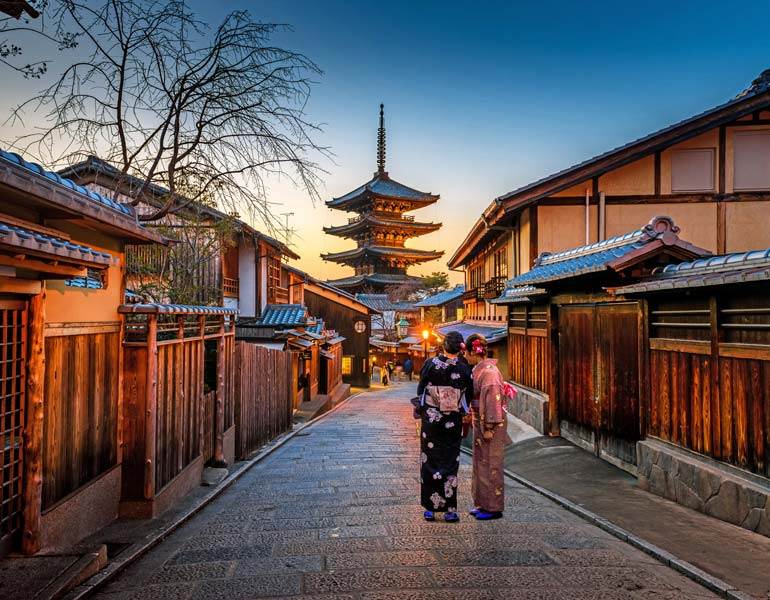
Japanese etiquette: why it matters
According to the Japan National Tourism Organization (JNTO), Japan welcomed a record 42.7 million international visitors in 2025, around 10 million more than before the pandemic, and 2026 has kept up the pace with more than 10 million arrivals in the first three months alone. That’s wonderful for Japan, but it also puts real pressure on local communities. Japan’s customs and traditions date back centuries and are practised in everyday life, yet they’re also the easiest things for visitors to trample on without realising.
Let’s be real, no one likes an annoying tourist. This is why I wrote a #1 Amazon New Release book on how to avoid being one. As a gaijin 外人 (foreign person), I often get mistaken for a resident just by practising the points below. Ignorance isn’t always bliss!
HEADS UP: It helps to know the impact the influx of tourists has had on local communities. Here’s what you can do to help curb overtourism in Japan, plus 10 easy ways to avoid contributing to overtourism at any destination.
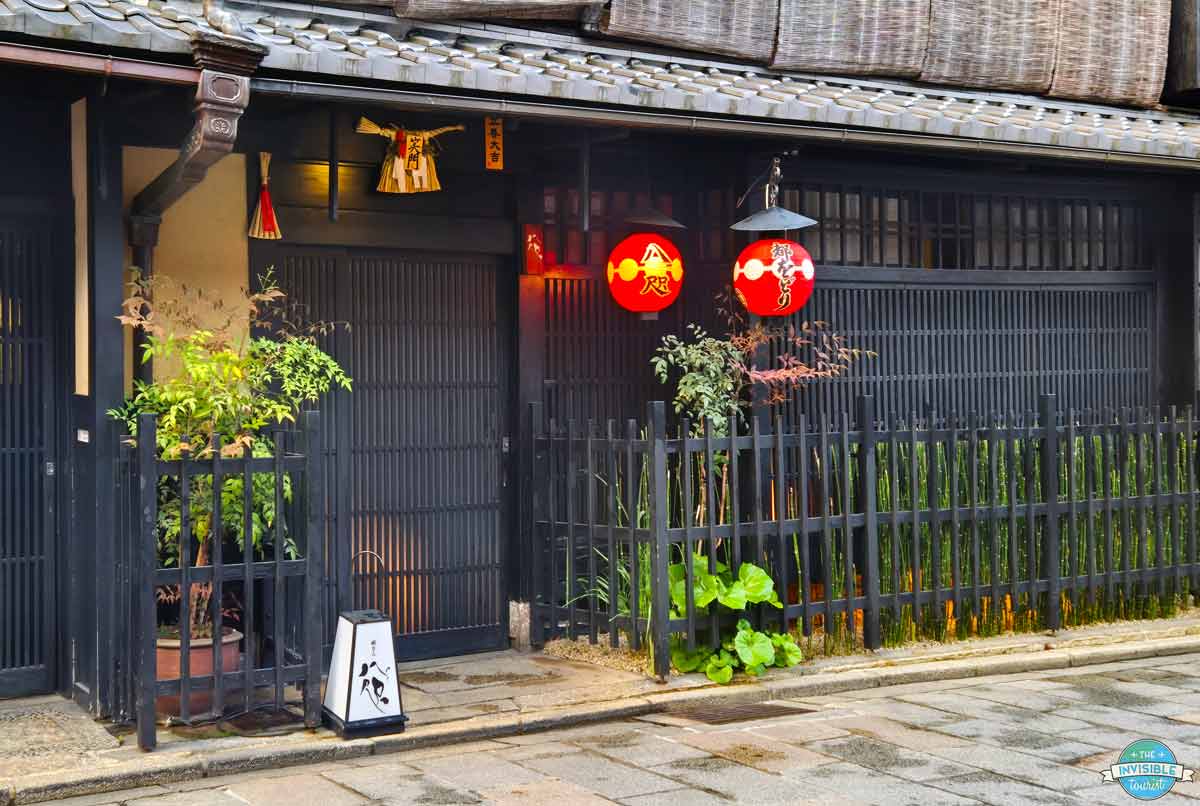
Dining & shopping etiquette in Japan
From the sushi counter to the souvenir shop, these are the ones visitors trip over most.
5 DO’S · 4 DON’TS

1.Don’t wear perfume when eating sushi
Locals believe sushi should be enjoyed not only with your taste buds, but also with your nose. Even a hint of perfume, aftershave or strong deodorant can alter the delicate aroma of sushi, not only for you but for everyone else at the counter.
Go scent-free on the day you’ve booked a sushi restaurant.

2.Don’t walk around eating
Eating while walking between attractions may seem like killing two birds with one stone, but it’s considered rude in Japan. Accidentally spilling your coffee or dropping that piece of sushi on the ground may lead to someone treading in it and ruining their day. It’s all about showing consideration for the people around you.
Eat where you bought it. Convenience stores such as Lawson and Family Mart have designated seating areas for you to eat, and street food stalls usually have a spot to stand and finish your snack, so there’s no need to walk and munch.

3.Don’t misuse your chopsticks
Chopsticks have quite a few symbolic meanings that should be observed in Japan. If you have an Asian heritage you may already be familiar with some. I could write an entirely separate post about chopsticks, but to quickly sum it up:
- Don’t stick your chopsticks upright in your rice bowl. This ritual is reserved for funeral services, so it can be a reminder of death or bad luck. It’s also impolite to cross them.
- Don’t pass food to another person with your chopsticks. If your travel buddy wants to sample what you’re eating, use the other end of your chopsticks to place a piece on a small plate and pass it over.
- Don’t rub your chopsticks together. Single-use wooden chopsticks only have splinters if they’re cheap, so rubbing them implies you believe the establishment’s chopsticks aren’t up to scratch.
- Don’t stab pieces of food with your chopsticks. This is bad manners and not how chopsticks are intended to be used.
Place your chopsticks back on the hashioki 箸置き (chopstick rest) when not in use, so they stay clean and don’t roll off the table. Still learning? Read this quick instruction guide on how to hold chopsticks.
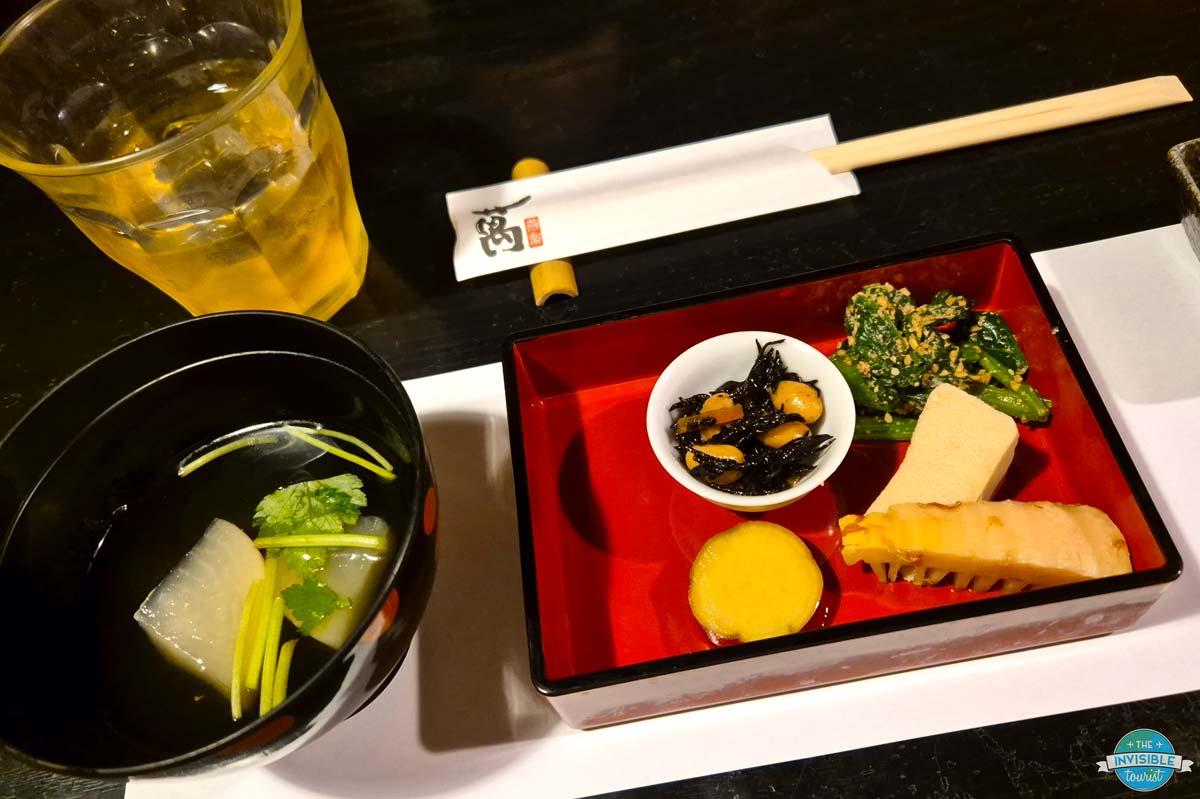
4.Do slurp your noodles
Oh, the sour looks of condemnation you would receive in many countries for doing this, but not so in Japan! The louder you slurp, the bigger the compliment to the chef.
Slurp, slurp, SLURP away ’til your heart’s content. Ramen, soba and udon all count.
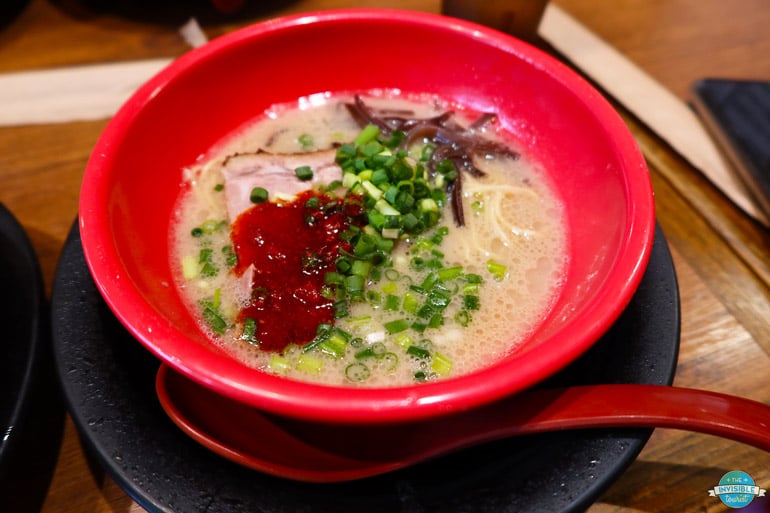
5.Do say “kanpai” when clinking glasses before drinking
To really act like a local in Japan, take part in the drinking culture. An alcoholic drink is considered well deserved after a hard day at work (or sightseeing, if you’re a visitor!), and before the first sip it’s one of the unspoken rules to make a toast and say kanpai かんぱい. It translates to “dry glass” or “empty glass,” much like “bottoms up.”
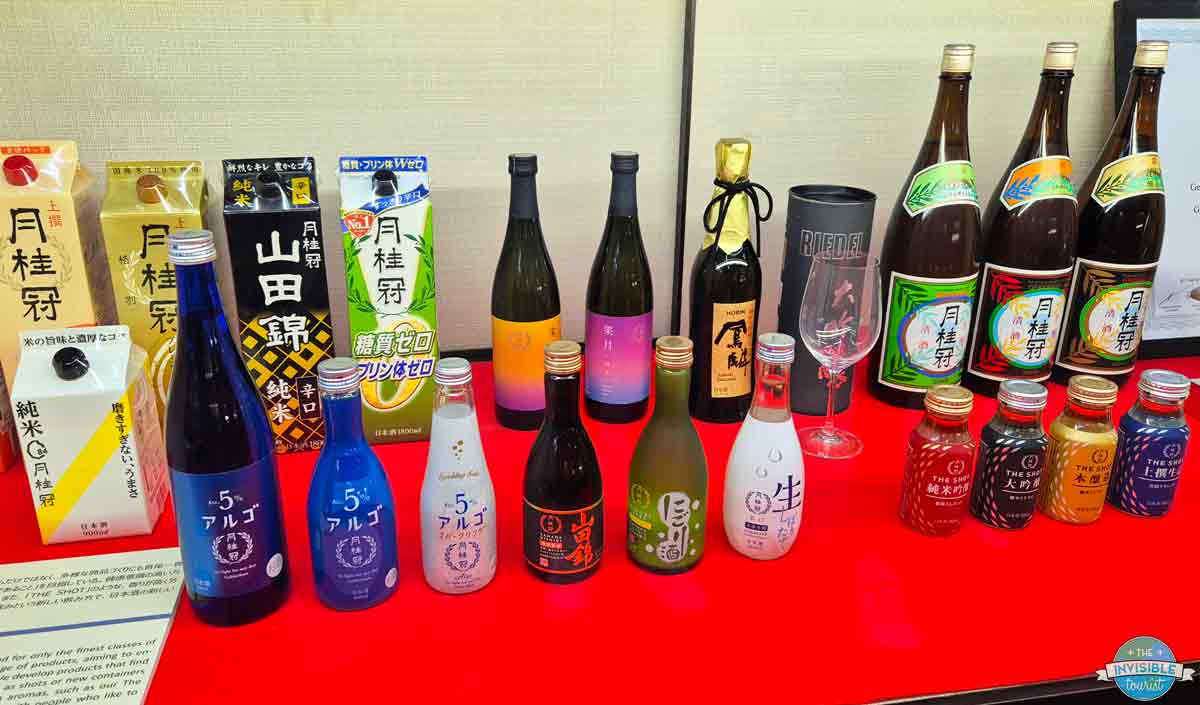
You don’t have to drink it all in one hit, though! Japan’s national beverage sake (pronounced sa-keh 酒, but known as Nihonshu 日本酒 in Japan) is best appreciated slowly. And NEVER pour your own: ask someone to pour it for you, then return the favour. There’s plenty more drinking etiquette to learn with locals on my guides to hidden bars in Shibuya and hidden bars in Kyoto.
TIP: Before eating a meal, it’s polite to say itadakimasu いただきます, translating to “I humbly receive.” It’s a way of saying thanks and showing appreciation for the meal.
6.Don’t leave a tip or count your change
Omotenashi is the high level of courtesy deeply ingrained in Japanese customer service. Leaving a tip may be expected in many countries, but in Japan it can be insulting, implying you’re paying staff for good service that’s expected as standard. Staff may even chase after you thinking you’ve forgotten your change! Please don’t insist, as it makes people feel awkward.
Counting your change is considered rude too. Unlike many destinations where tourists are almost there just to be ripped off, Japan doesn’t see tourists this way. Rest assured your change will be correct.
When paying, place your cash or card on the little tray rather than in the person’s hands. This is what locals do, and your change will come back on the same tray.

7.Do hang on to your rubbish
Bins are hard to find on the streets of Japan, yet everywhere is amazingly litter-free. People simply carry their rubbish with them because they appreciate cleanliness, and there’s less need for bins when no one walks around eating, drinking or smoking.
Keep a small bag handy and look for bins on the shinkansen (by the doors between carriages), inside convenience stores, and next to some vending machines, where you’ll find ones for cans and bottles. Otherwise, take it back to your hotel. Resist any temptation to litter and do as the locals do.
8.Do support small local businesses when souvenir shopping
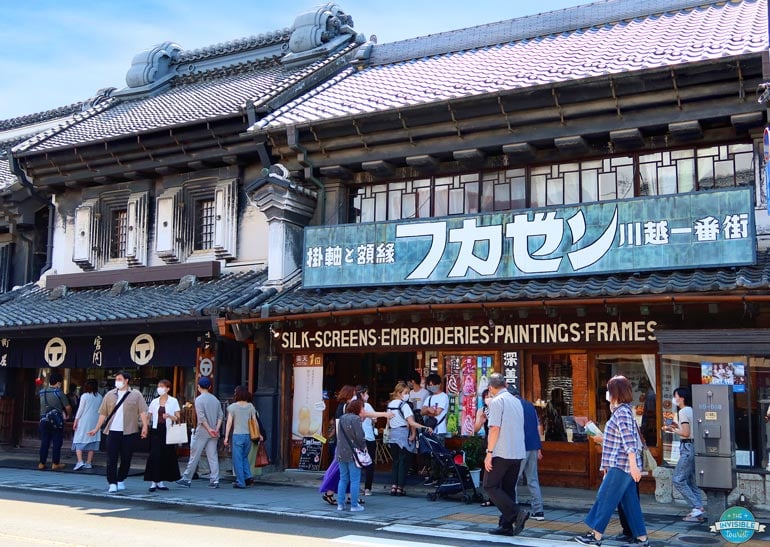
There are so many beautifully hand-crafted and traditional souvenirs in Japan. Buying them from small, local makers helps keep centuries-old traditions alive, and puts your money straight into the community you’re visiting.
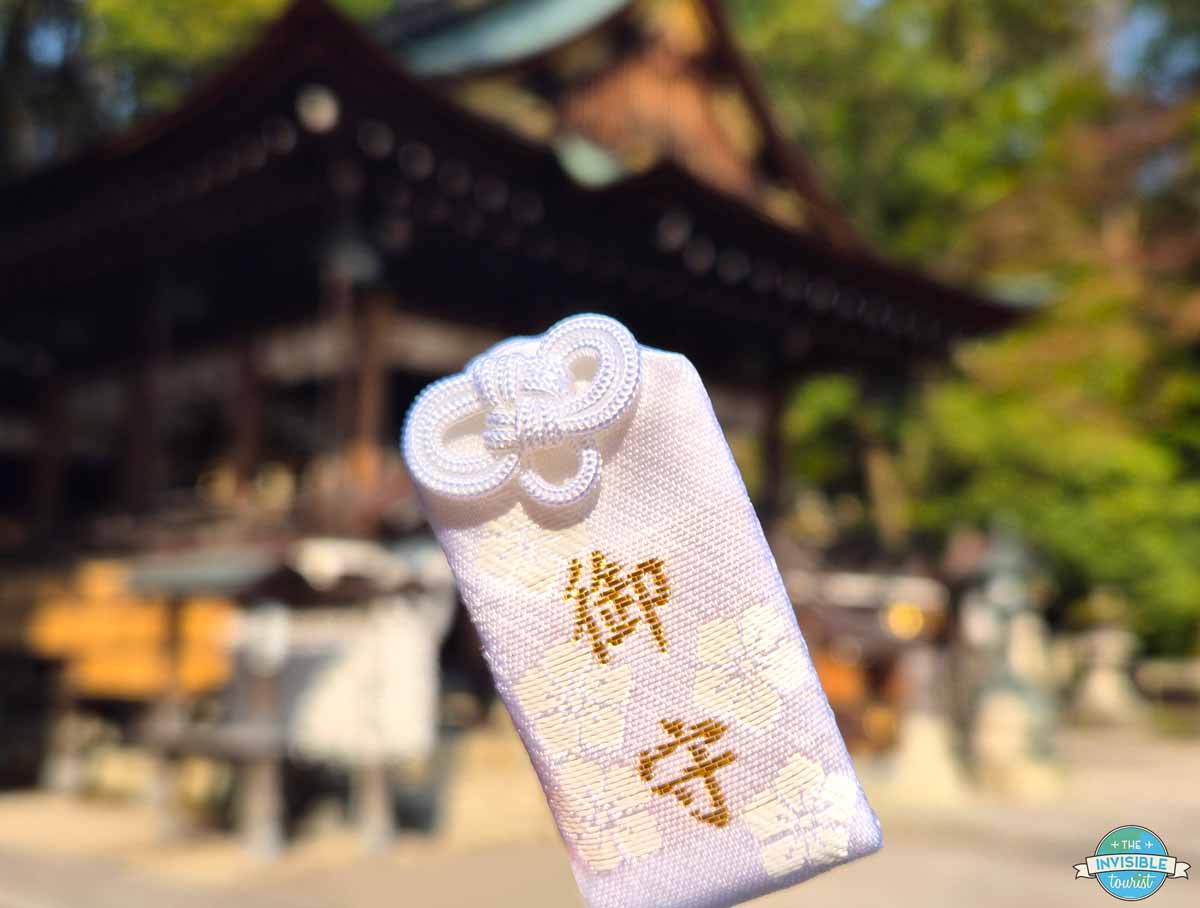
Save a little room in your suitcase for meaningful souvenirs such as folding fans, watercolour paintings, wooden items, lucky charms, stationery and ceramics. My detailed souvenir guide for Japan covers all the traditional souvenirs, what they mean and where to find them!
9.Do browse or shop in major department & electronics stores
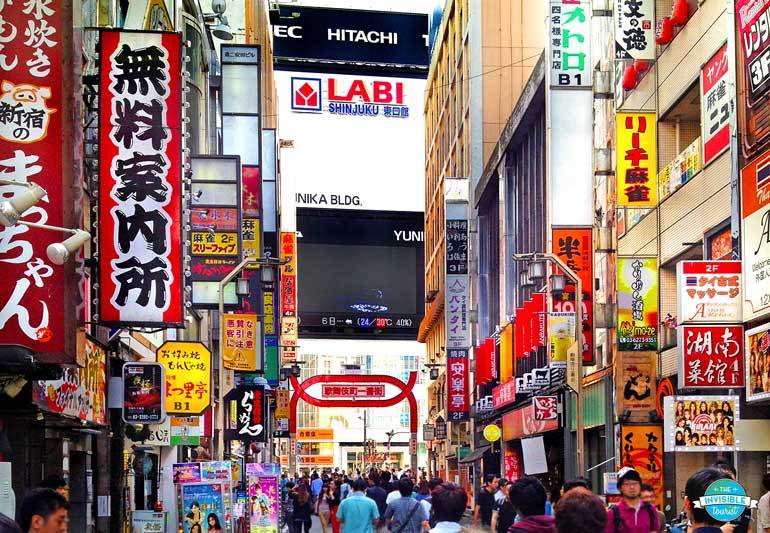
If you’re filling time between attractions or are just curious, a Japanese department store will blow you away. They sell everything from luxury fashion to streetwear, home goods to electronics, and some of the most enticing-looking food graces their basement floors. Some are even owned by (and share names with) private rail lines, such as Odakyu. I dare you to shop in LABI without losing your mind over the sheer amount of stuff, or the store’s quirky theme song!
Ginza in Tokyo is known for department stores with a lengthy history. Some of my personal favourites:
- Isetan & Mitsukoshi
- Matsuya Ginza
- Yamada Denki LABI
- BIC Camera (the Shinjuku branch has a bar serving drinks as you walk in)
- Yodobashi Camera
- Don Quijote (not quite a department store, but it has enough things to seem like one!)
Cultural etiquette in Japan
Temples, toilets, geisha and greetings: the everyday customs that show you respect the place you’re in.
6 DO’S · 6 DON’TS
10.Don’t be afraid of the toilets
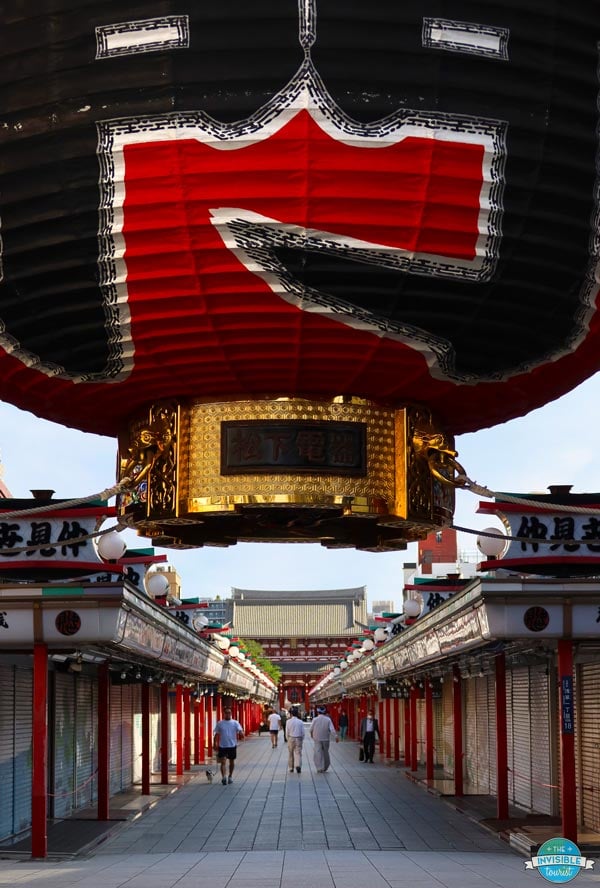
Don’t knock it ’til you’ve tried it! Over 80% of households in Japan have Japanese toilets with a bidet, and you can even adjust the water’s temperature and pressure. The heated seat in winter is my personal favourite. Fancy some relaxing rainforest sounds or music while nature calls? These toilets have something for everyone.
Let your curiosity get the better of you, you may be pleasantly surprised! Not every panel has English, so look for the pictures: the flushing-sound button is often labelled 音姫 (otohime).
TIP: Music and flushing-sound options exist in public toilets because many Japanese women are shy about their bodily functions being heard by others.

11.Don’t approach geisha or maiko for selfies
While they’re one of the many things Japan is famous for, these graceful ladies are not tourist attractions or celebrities. In Gion, Kyoto, they’re in their working environment, hurrying from one engagement to another as they have for centuries. Approaching them or holding them up is one of the most disrespectful things you can do in Japan, and may upset them or make them late.
Book an official meeting with a geisha or maiko to support their craft. There are various cultural experiences in Japan where you can meet them, and I loved my geisha in Tokyo experience.
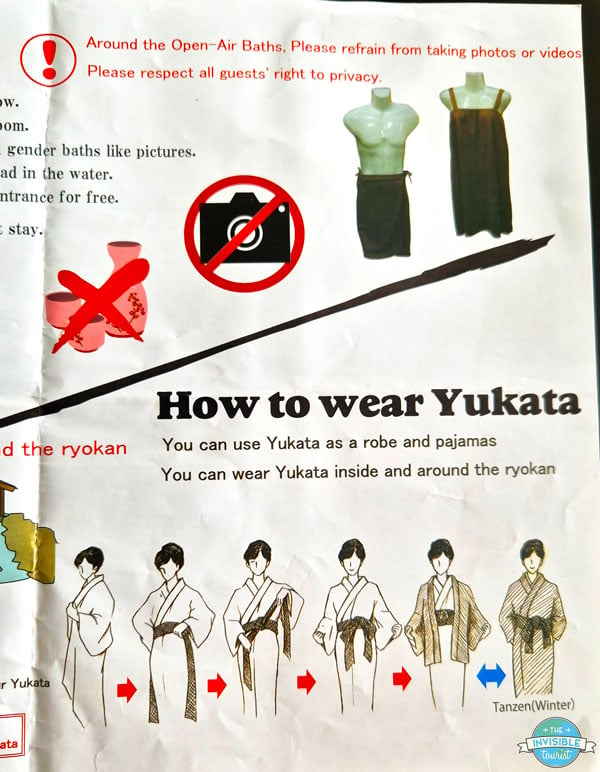
NOTE: As a visitor, it’s completely fine to wear kimono or yukata. There are many rental stores catering to tourists for this exact purpose, and you’ll see domestic and foreign visitors wearing them in Kyoto, at onsen towns in Japan and in ryokan. Locals love it when foreigners embrace their traditional dress!

12.Don’t walk around smoking
Just like eating on the go, smoking while walking is frowned upon, and many city wards ban it outright. The idea is to avoid waving smoke (and ash) in the faces of unsuspecting people around you. If you’re from Singapore you’ll already be familiar with this!
Stand in one spot or head to a designated outdoor smoking area. People will even patiently queue up to go in!
TIP: Some establishments in Japan still allow smoking indoors and around food. If you’re not comfortable with this, simply ask for the non-smoking area when you’re being seated at a restaurant.
13.Don’t harass the sacred deer at Nara or Miyajima Island
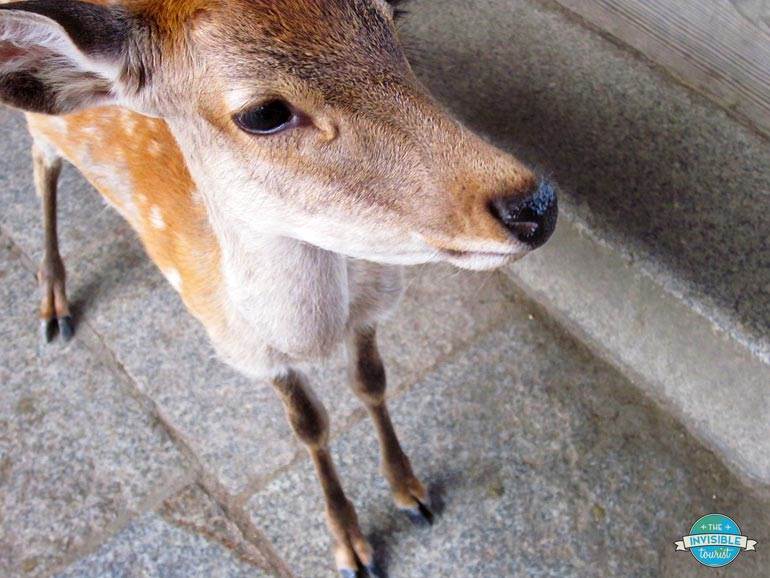
These furry friends seem harmless, but don’t be fooled into thinking they won’t pack a punch when annoyed. There’s been an increasing number of deer-related tourist injuries as visitors to Nara taunt deer with food for selfies and don’t follow through, much to the annoyance of these wild animals, who kick and bite in response. Visitors have also been feeding them human snacks that make them sick.
Remember these are wild animals. Buy deer crackers from a local vendor for about JPY 200, be mindful of how you approach, and don’t make them wait for a cracker, as this only aggravates them. The older ones have learnt it’s polite to bow first!
TIP: When the tourists stopped coming from 2020 to 2022, the deer at Nara relearnt their natural foraging habits.
14.Don’t deface significant UNESCO World Heritage sites
The giant emerald-green bamboo groves of Arashiyama are a huge drawcard for Kyoto’s visitors. Unfortunately, tourists have etched their names into over 100 stems of Sagano Bamboo Forest, much like leaving a love lock on a Parisian bridge. This isn’t romantic, it’s vandalism. Bamboo is connected by its roots, so damage to one stem can affect many others, and could see the whole area closed to visitors. What’s the logic in harming something we love?
Admire the elegant bamboo stems from afar and take some wonderful photos as mementos.

15.Do bow appropriately
Bowing is a very important part of Japanese culture, so it’s best to mirror the locals. There are different bows for different situations, but as a tourist the most useful ones are when you’re meeting and greeting people, thanking someone, or saying sorry.
Don’t curve your back and neck. Bend forward from your hips, keeping your back straight and your hands by your sides. In some situations a nod of the head in thanks is polite too. Find out more about bowing in Japan here. When I return home from Japan it takes me a day or so to break the habit. I’ve even bowed while talking to someone on the phone, haha!
TIP: Generally, a good indication of when to bow is when someone bows to you!

16.Do learn some basic Japanese phrases
No one is saying you have to become fluent. I certainly am not! But being able to read some basics on the metro or order from a Japanese menu sets you apart from other tourists, and the look of delight on a local’s face when you greet them in their native tongue is nothing short of awesome. In some restaurants in Shikoku and other rural areas, staff have asked me if I can speak a little Japanese before I’ve even entered.
Your arigatou gozaimasu can go a long way, but a few more words are even better! Start with my easy guide to Japanese for tourists, with a FREE downloadable cheat sheet to use offline in Japan, then learn the meanings of beautiful Japanese words like omotenashi and shinrin yoku.


17.Do embrace the convenience of things
Japan has turned convenience into an art form, and using it the way locals do is one of the easiest ways to travel lighter, cheaper and more smoothly.
Vending machines: there’s one for every 23 people in Japan, about 5.5 million in total, dispensing anything from ice cream to umbrellas, hot noodles to sake. Some restaurants even take your order by vending machine. Did you even visit Japan if you didn’t use one?
Konbini (convenience stores): prepare to break every stereotype about convenience store food. Family Mart, 7-Eleven and Lawson sell super fresh onigiri, sushi, pork buns, karaage and cheap chuhai チューハイ, and trust me, the 7-Eleven egg sandwiches are the best you’ll ever have. Staff will happily warm up meals for you, too.
Luggage forwarding: instead of dragging suitcases onto crowded trains, send them ahead with a courier service called takkyubin 宅急便. Your hotel front desk or a convenience store can arrange it, and your bags usually arrive at your next hotel the following day. Travel between cities with just a day bag!
TIP: Convenience stores are a great place to withdraw cash from the ATMs inside. You’ll usually get a better exchange rate than at a currency exchange. And at a vending-machine restaurant, the top left button is usually the specialty dish.


18.Don’t blow your nose loudly in public
Quite the opposite of Western culture, sniffing is the preferred etiquette in Japan, as it’s seen as less rude and crude than blowing your nose loudly.
If your nose starts to trickle, discreetly turn away from the crowd and wipe it with a tissue. If you absolutely need to blow it, find a restroom and bin your tissues there. Take advantage of the free pocket tissues vendors hand out on the streets as advertising!
TIP: Handkerchiefs and furoshiki cloths are reserved for wiping sweat or drying your hands after washing.

19.Do dress somewhat conservatively (and smartly)
Women in Japan tend to dress conservatively in the sense that they cover their shoulders and chests, and it’s pretty rare to see cleavage. On the other hand, short shorts are VERY popular! Japanese people also dress quite smartly, especially in cities like Tokyo and Osaka.
As a foreigner, no one will really mind if your shoulders are showing, and smart casual is perfectly fine. Pregnant women may want to choose flowy dresses or loose tops over tight-fitting clothing, which locals can frown upon. And if you can avoid activewear when you’re not hiking, you won’t stand out as a tourist, one of my top tips for how to not look like a tourist anywhere.
TIP: Wondering what to add to your Japan packing list? My guide to what to pack for Japan covers quite a few things you probably haven’t thought of, plus what NOT to wear and bring.
20.Do be mindful of phone usage in areas of respect
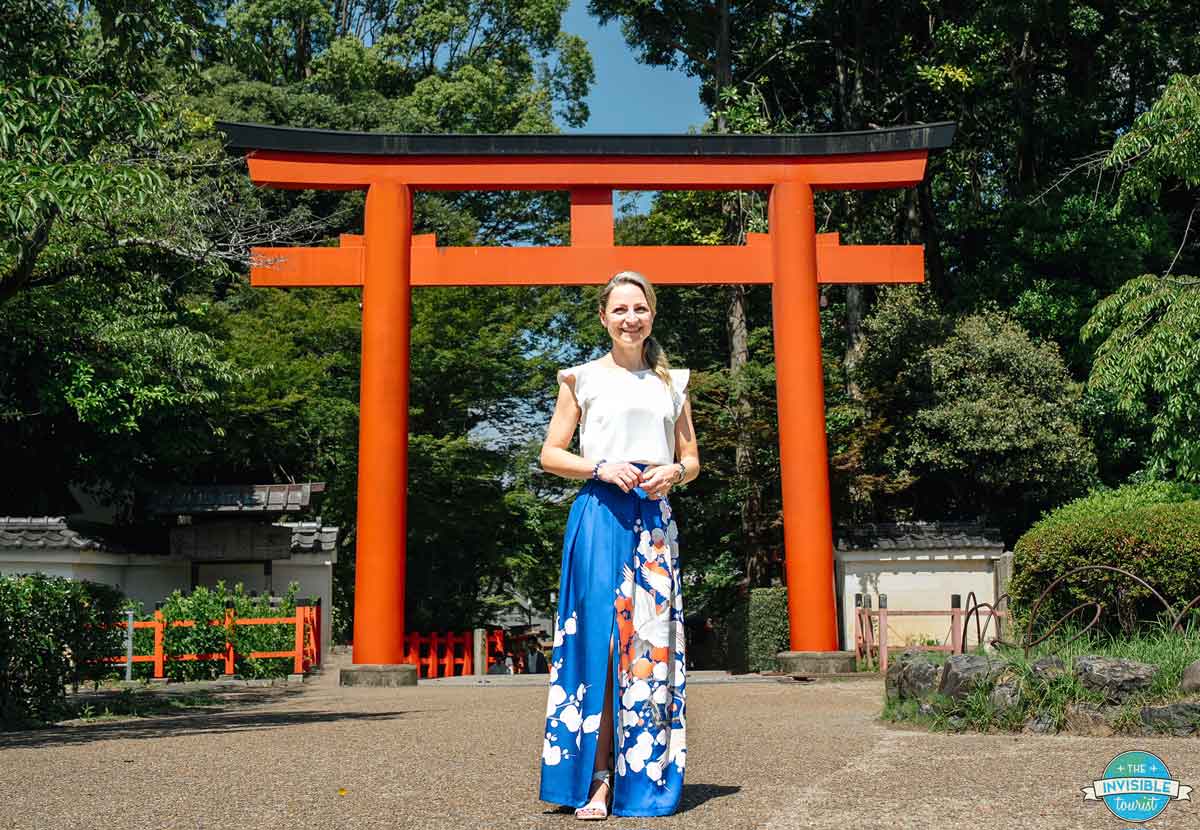
At temples, shrines and other areas of respect, the number of people making and taking calls in otherwise tranquil settings is very impolite. In my opinion, the noise defeats the purpose of what these places were created for.
Turn your phone to silent before heading in. We wouldn’t take calls at our local church, so please show the same respect to the site and its worshippers.
21.Do take your shoes off inside someone’s home or a ryokan
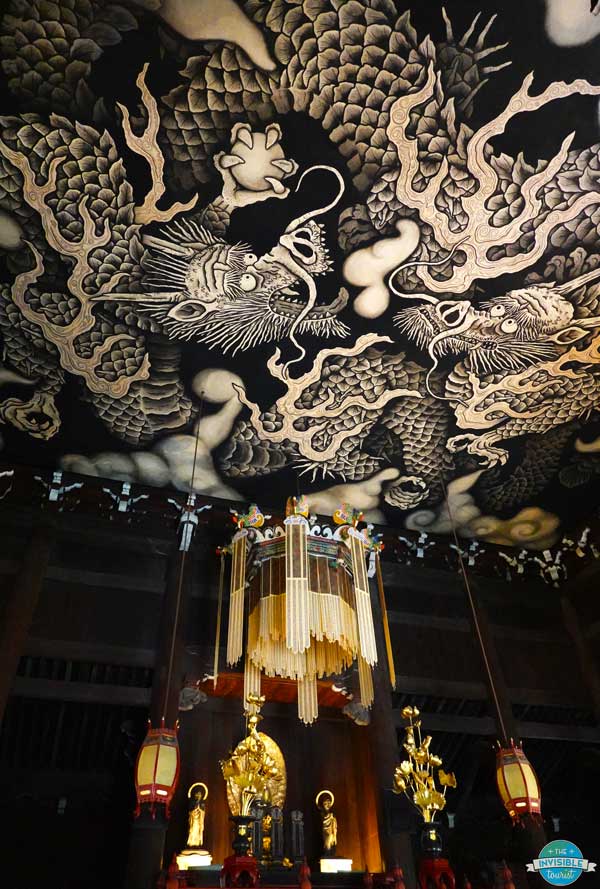
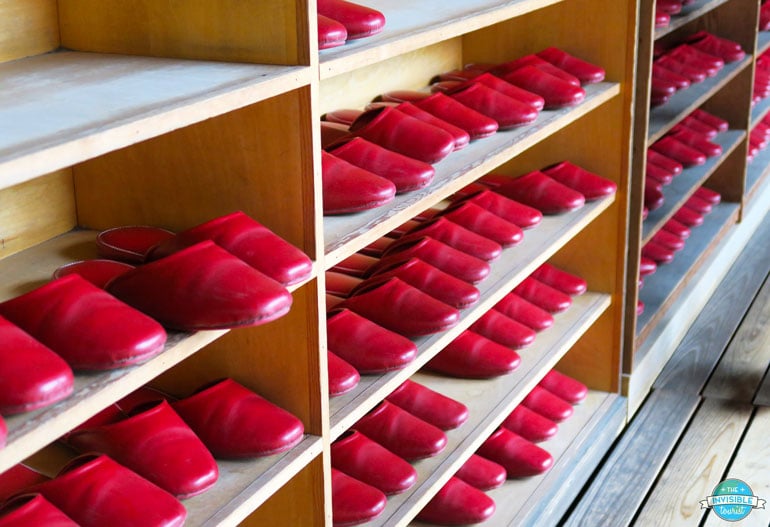
Shoes are seen as dirty in Japan, so they stay at the door. This is one of the most important unspoken rules to follow, and it applies in homes, ryokan (traditional Japanese inns), many temples, restaurants with tatami mats and even changerooms in shops.
Look at what the locals are doing: if their shoes are at the entrance (the genkan), leave yours there too, facing the door. Slip on the indoor slippers provided, but never wear slippers on tatami mats, only socks or bare feet. Toilets often have their own pair of slippers, so swap into them and remember to swap back! Pack a pair of nice socks if you prefer not to go barefoot.
Onsen etiquette: do’s and don’ts at Japanese hot springs
Soaking in an onsen is one of Japan’s great pleasures. Know these before you bare all.
3 DO’S · 3 DON’TS
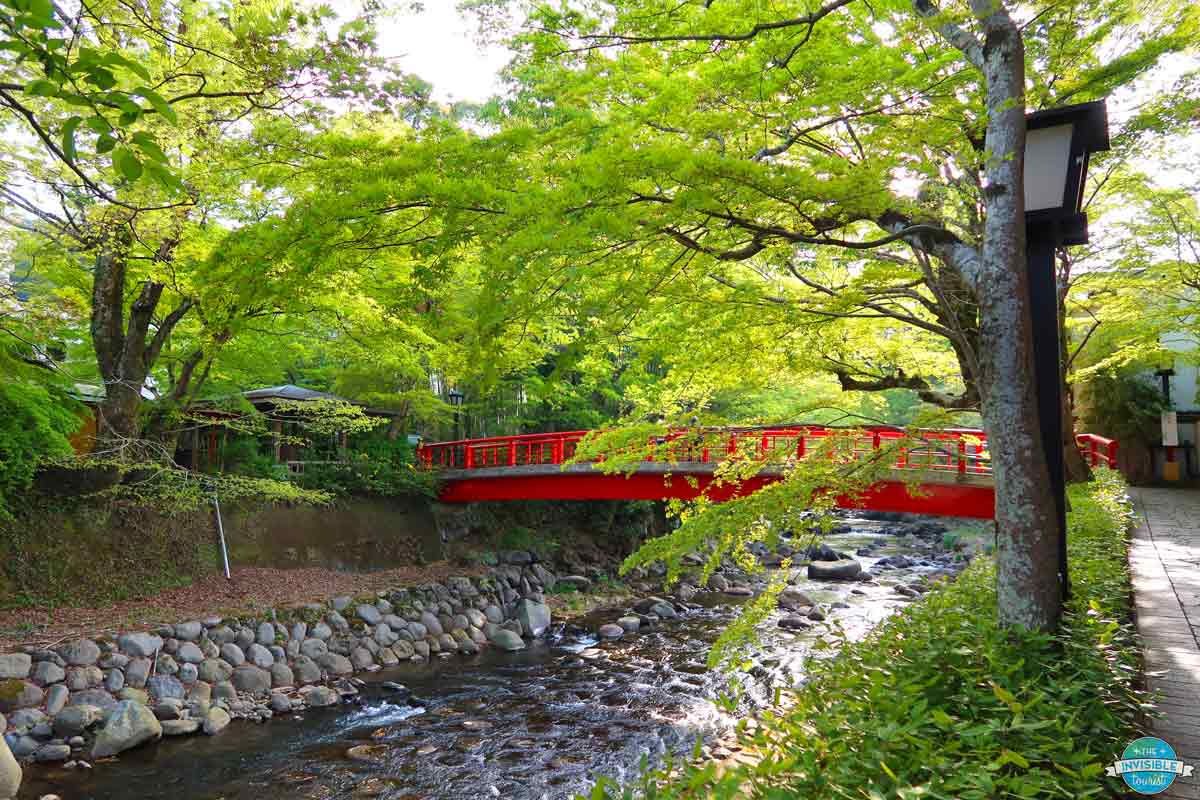
Bathing in an onsen is a centuries-old ritual, and the etiquette exists to keep the shared water clean and the atmosphere relaxing for everyone. For a beautiful onsen town to practise in, read my guide to Shuzenji Onsen on the Izu Peninsula, or find your favourite among the best onsen in Japan.
Do wash thoroughly before you get in
Everyone shares the same water, so you’re expected to be squeaky clean before you step in.
Sit on one of the little stools at the washing station, and scrub and rinse from head to toe with the soap and shampoo provided. Rinse away all the suds (and the stool) before you head to the bath.
Don’t wear swimwear in the onsen
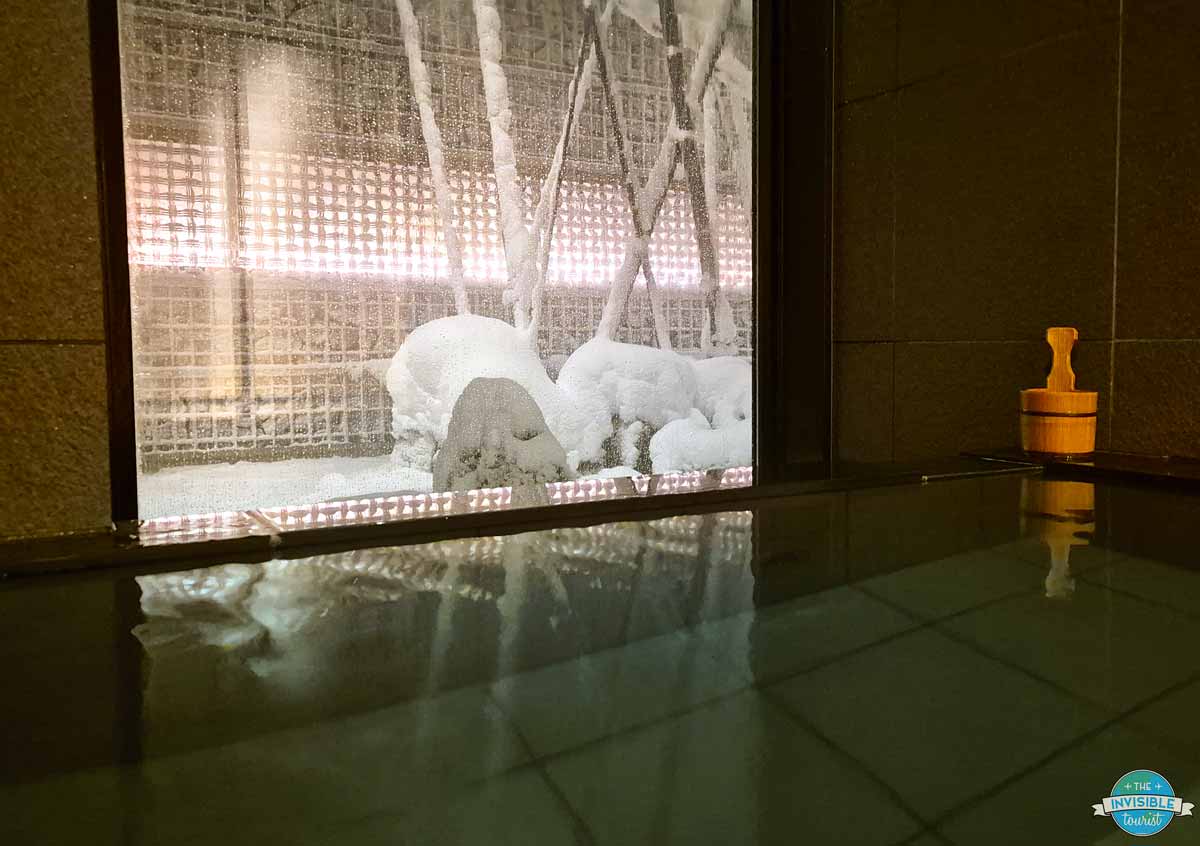
Onsen are enjoyed naked, and baths are usually separated for men and women (look for 男 for men and 女 for women on the curtains). Swimwear is seen as unhygienic in the water.
Leave your clothes in the basket or locker in the changing room. Feeling shy? A private bath (kashikiri 貸切) can often be booked by the hour. The exception is mixed-gender baths that provide a bathing wrap, like the ones at Takaragawa Onsen.
Don’t put your small towel in the onsen water
The small towel you carry to the bath is for washing and modesty on the way, but it never goes into the water, as it would dirty the bath for everyone.
Fold it and pop it on your head, or leave it on the edge of the bath, just like the locals do.
Do tie up long hair
Hair in the water is considered unhygienic, for the same reason as the towel.
Pack a hair tie or clip, and keep your head above the water. No dunking or swimming!
Do check the tattoo policy before you go
Tattoos have long been associated with the yakuza in Japan, so many onsen still don’t allow bathers with tattoos, even small ones. Policies are slowly relaxing, but they vary from place to place.
Check the onsen or ryokan website before you go and look for “tattoo friendly.” Some allow small tattoos covered with a patch, and a private kashikiri bath is usually fine too.
Don’t take photos or make noise in the onsen
Everyone around you is naked and there to relax, so phones and cameras are a big no-no, and splashing or loud chatter breaks the peaceful atmosphere.
Leave your phone in your locker, keep your voice low and soak up the moment. Before heading back to the changing room, pat yourself dry with your small towel so you don’t drip on the floor.
Do’s and don’ts for getting around Japan
Trains, taxis and footpaths: the rules that keep Japan’s rush hour so calm.
3 DO’S · 3 DON’TS
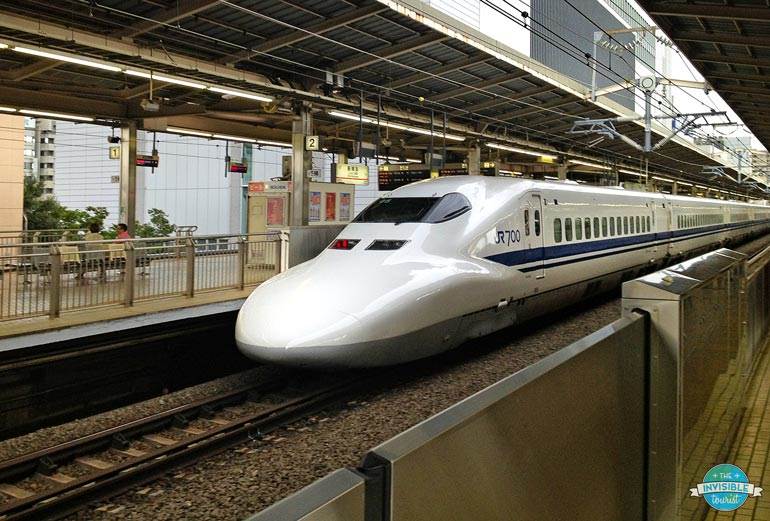
22.Do take advantage of public transport
It’s not difficult to use public transport in Japan, I promise! I’ve travelled as part of a couple, solo, on business and for leisure, and I mean it when I say it’s AMAZING. Hiring a car can be expensive, cars drive on the left, and there’s been a sharp increase in tourist hire car accidents in recent years, so I’d only hire one to explore rural areas.
The metro systems in Tokyo, Kyoto and Osaka are inexpensive and efficient, buses are reliable, and no trip is complete without a ride (or few) on the shinkansen bullet trains, which reach over 300 km/h! Read more about the different shinkansen and the ones not covered by the Japan Rail Pass. If you’re following my 3 week Japan itinerary, you won’t need a car at all.
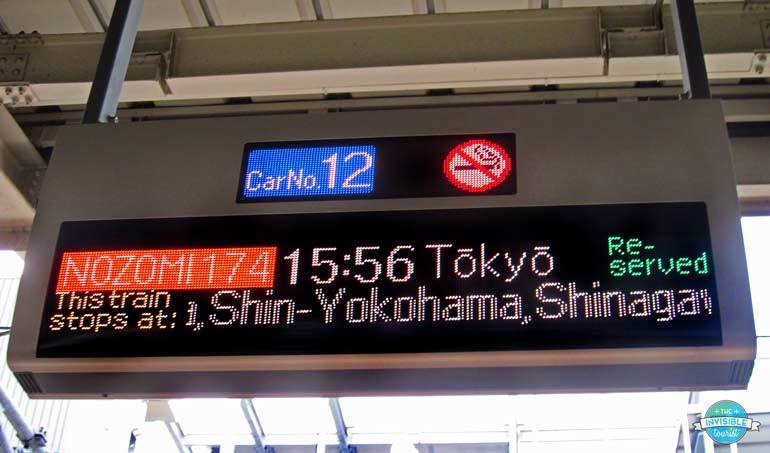
23.Do be quiet on the bullet and metro trains
It’s a big no-no to make or take phone calls on trains in Japan, and the same goes for loud music and conversations. Many tired commuters work long hours and use their journey to catch up on sleep. Even crying babies are whisked away by their parents to the area between shinkansen carriages!
Put your phone on silent and reject calls until you’ve left the train. On a shinkansen, head to the area between carriages if it’s important.
TIP: It’s polite to line up at the marked areas on the platform and let passengers off first, then board as you would a plane.

24.Do walk, drive and ride on the left (except in Kansai)
Japan is one of only 78 countries that drive on the left, and pedestrians and bicycles naturally keep left too (a real treat for me as an Australian!). It’s a punctual country, so stopping in the middle of the footpath or blocking an escalator won’t go down well. You don’t want to be the reason someone runs late.
Keep left on footpaths and staircases, and stand on the left of escalators in Tokyo so people can pass on the right. In Osaka and the wider Kansai region it’s the opposite: stand on the right! One theory is that Osaka was a city of merchants who carried their money bags in their right hands, so they kept right to protect them.
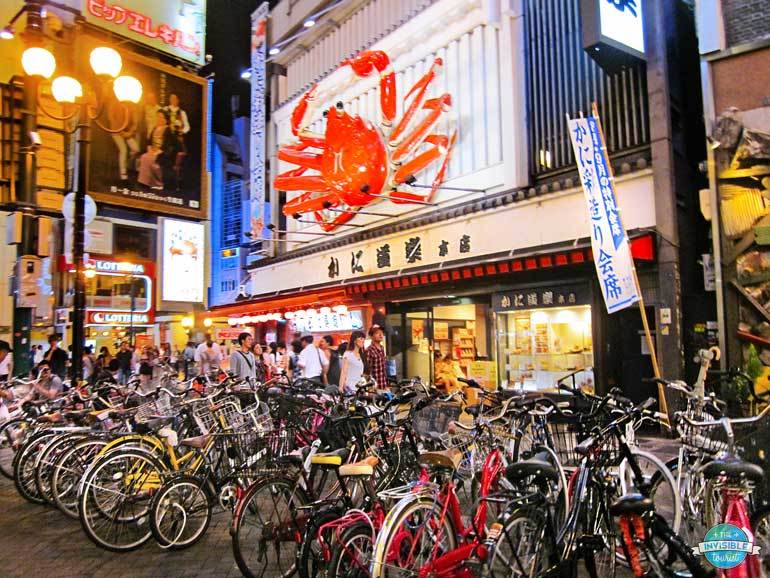
25.Don’t jaywalk
Rules are followed in Japan, which is probably why the country runs so smoothly. At a crowded street corner, if one person sees another start crossing out of the corner of their eye, they may assume it’s safe and blindly follow, which can be very dangerous. Locals also don’t want to set a bad example to children.
Wait for the green light, even when the road looks empty. If you know another reason why jaywalking is frowned upon, let me know in the comments below!
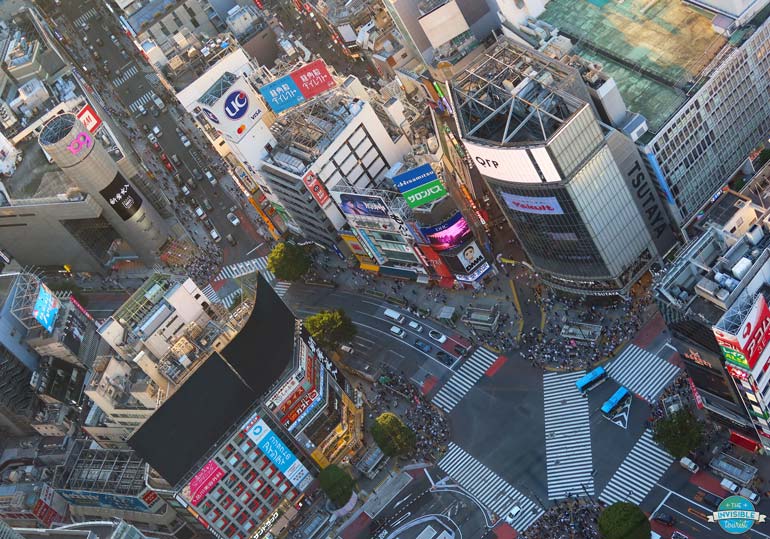
26.Don’t close the taxi’s back door
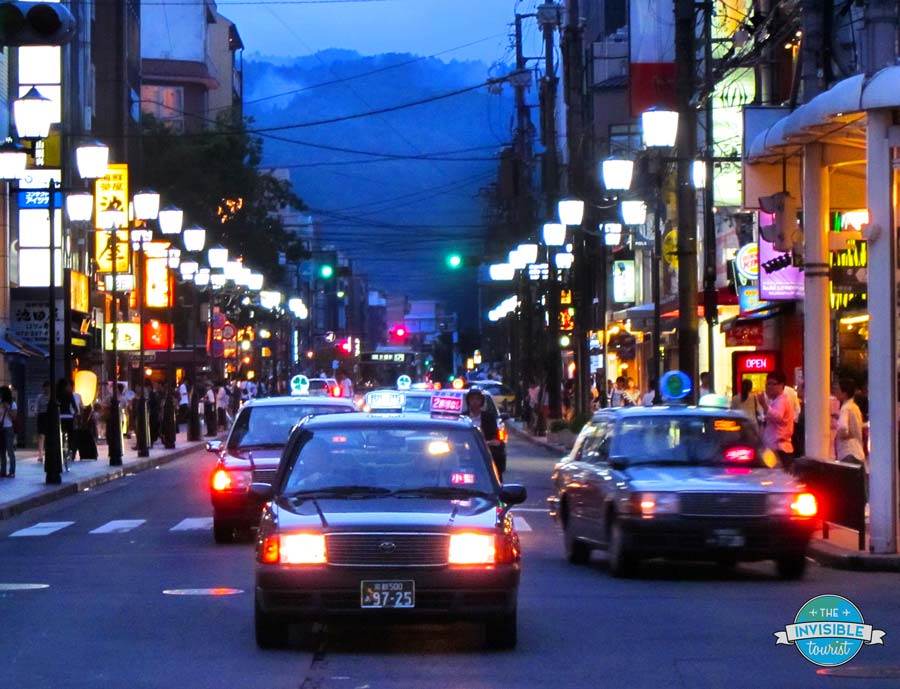
Japanese taxi drivers open and close the back left door for you with a lever from their seat. Slamming it shut yourself can strain the mechanism (and your driver’s patience!).
Step back and let the door swing open, then closed, on its own. And for my fellow Aussies who sometimes sit up front at home, sit on the back seat in Japan.
27.Don’t sit in the priority seats on the trains
Near the doors of every carriage you’ll find priority seats (yūsenseki 優先席) for elderly passengers, pregnant women, people with disabilities or injuries, and parents with small children. Even when the train is packed and they sit empty, you’ll notice many locals stand rather than take them.
Follow their lead and stand, or if you do sit down, be ready to offer your seat to someone who needs it. Signs near the priority seats also ask passengers to switch their phones to silent mode.
Business etiquette in Japan
Travelling for work, or meeting Japanese colleagues or friends? Two small gestures make a big impression.
2 DO’S
28.Do bring omiyage from your hometown
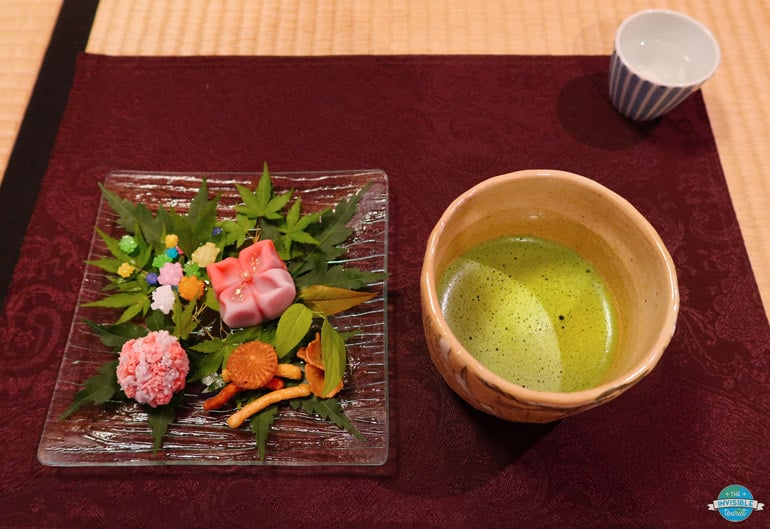
Omiyage お土産 are small gifts you bring back for colleagues, business partners or hosts, and they’re an important part of Japanese working life. Arriving empty-handed after a trip can be noticed, while a thoughtful gift shows you were thinking of the people around you.
Bring something from your hometown or home country that’s hard to find in Japan, or a local specialty from a place you’ve just visited. Individually wrapped sweets or snacks that are easy to share around the office are perfect, and offer them with two hands.

29.Do use two hands to accept business cards
In Japan, business cards (meishi 名刺) are thought of as an extension of the person, so they need to be treated with respect. I’m guessing you wouldn’t like the thought of someone cramming a miniature you into their back pocket and sitting on you, right?
Give and receive business cards with two hands, thumbs facing up, and a polite nod of thanks. When you receive one, take a good look at the front and back. Never put it away immediately (and especially not in your back pocket!). Leave it on the table in front of you during the meeting, then store it in a card holder, as most locals do.
TIP: I do this with other important cards and documents too, like credit cards and my passport. You’ll notice this is how locals hand these things back to you as well.
Tips for “blending in” even more in Japan
The habits that separate a savvy traveller from the crowd, and make your trip far more enjoyable.
5 DO’S · 2 DON’TS
30.Don’t waste your time queuing for hours at viral hotspots
That café, photo spot or dessert that’s blowing up on social media? Expect a queue of hours, and crowds that make life harder for the locals who live and work nearby. Your holiday time is precious, and spending half a day in line means missing so much else Japan has to offer.
If you really want to go, arrive right at opening time or book ahead where you can. Better still, seek out lesser-known alternatives: my guide to Japan off the beaten path is full of places you’ll have almost to yourself.

31.Don’t over-indulge in obvious Western places with free wifi
This one may be a bit controversial… Come on, we don’t go all the way to Japan to sip a pumpkin spice latte while fumbling on our phones for hours on free wifi, do we? Especially on a short trip, steering away from obvious imported watering holes like Starbucks and McDonald’s is an easy way to not look like a tourist.
Head to an izakaya 居酒屋, a Japanese-style pub serving drinks and lots of small, tasty dishes, like Kirin City in my Tokyo itinerary, where locals hang out after work. Embrace matcha, local beers and sake, and be in the moment. Even better, join a food tour with a local guide! I’ve done many small group tours in Japan, and you don’t need to worry about what to order.
TIP: I’ve put together a detailed guide to the best food tours in Tokyo you’ll absolutely love!
32.Do step outside your comfort zone
Japan is home to some of the most quirky, unique and interesting experiences on the planet. Trying something new can give us a whole new understanding of a culture and introduce us to new ways of thinking. You’ll never know if you like it unless you try!
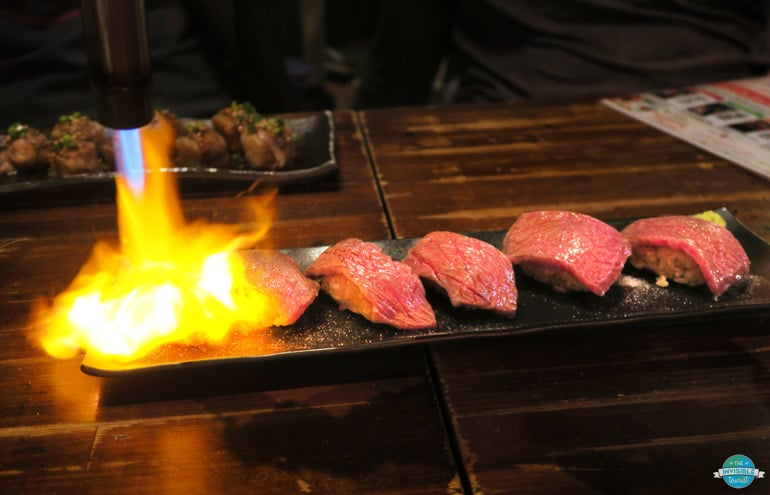
Spend the night in a capsule hotel, bathe in your birthday suit at an onsen, visit a maid café, eat delicacies like eel on a Shibuya street food tour, dress up as a ninja and learn their tricks, or jump on a rollercoaster in the middle of Tokyo. The list is endless!
33.Do research your preferred destinations in Japan
In online travel forums I see it all too often: people land in Japan, then panic because they don’t know how to get from the airport to the city, their Airbnb has been cancelled (more on this below), or they’ve no clue where to eat or what to do. Do you really want to spend precious holiday time figuring that out on the spot?
Know the basics BEFORE you arrive. My detailed Japan travel guides cover how to get from airports and train stations to city centres, how long it takes, the costs involved, plus all the best things to do.
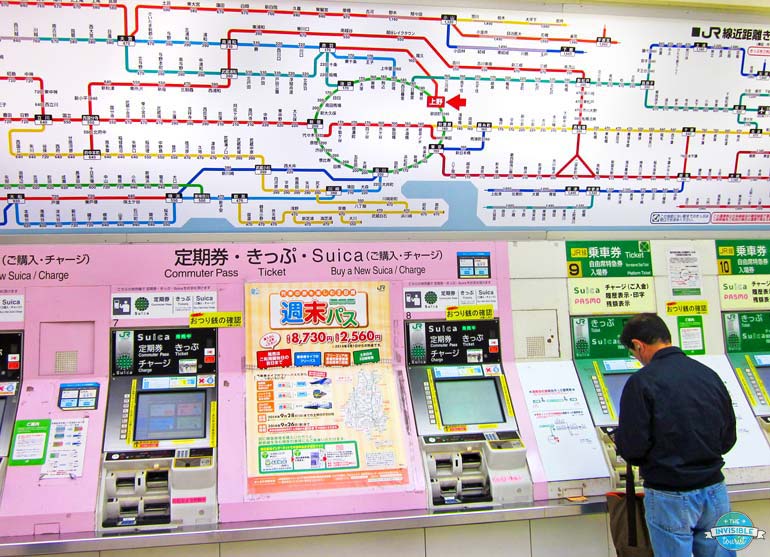
34.Do book your Japan accommodation in advance
Having your accommodation sorted in advance avoids unnecessary stress, especially as the best-value hotels book out early. As a general rule that goes against what many others say, I recommend you avoid using Airbnb in Japan due to a law passed in June 2018. In my opinion, the risk isn’t worth it. The whole point of a holiday is to escape stress, right?
Click here for alternative accommodation options in Japan to suit your budget.
As for rail passes, contrary to popular belief, you may not need a Japan Rail Pass, especially on a mid-range budget. Find out why at the end of my 2 weeks in Japan itinerary, and click here for other types of passes available in Japan.

35.Do purchase tickets and passes in advance
Popular attractions including Shibuya Sky, Tokyo Skytree, Disneyland, Osaka’s Universal Studios and more let you buy tickets in advance, saving you lots of time and stress.
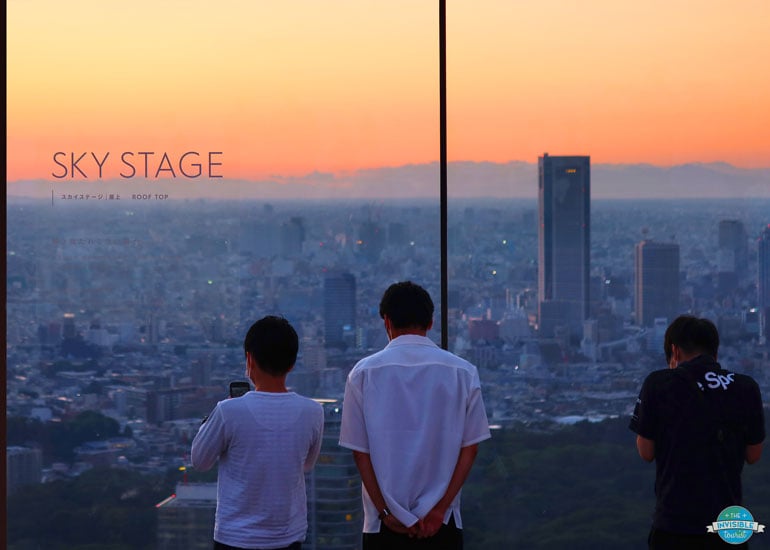

36.Do have a prepared Japan itinerary
Another way to prepare for your Japan trip is to have an itinerary organised. Does putting one together seem a bit overwhelming? It doesn’t have to be!
I’ve got you covered with my personal, tried-and-tested guides to this amazing country, full of hidden gems, efficient itineraries and insider tips. I’m a weirdo who LOVES creating itineraries, so just think of me as your Japan travel planner 😊
Click here for my full Japan Guides & Itineraries →
Click here for my ad-free offline PDF itineraries to use in Japan →

Bonus tip: “read the air”
If you remember just one thing from this guide, make it this. The Japanese expression kuuki wo yomu 空気を読む means “to read the air”: noticing what’s going on around you and adjusting to it without being told. It’s the thread that ties every rule above together.
Can’t remember whether to stand left or right on the escalator, or where to leave your shoes? Pause and watch what the locals do, then follow their lead. That little moment of awareness is the real secret to being an invisible tourist in Japan.
Concluding the do’s and don’ts in Japan
I hope this overview of travel etiquette in Japan has helped you feel more confident about your upcoming trip. Despite a few cultural differences to the West, it’s really easy to travel in Japan like a local if you’re well prepared, and to blend in rather than stand out for the wrong reasons. Now you know exactly how to be a good tourist in Japan, may the odds ever be in your favour!
How is your Japan trip planning coming along? I’ve got you covered for where to stay in Tokyo, how to learn Japanese for tourists (with a free cheat sheet!), detailed itineraries and much more on my Japan travel blog.
More travel guides you might enjoy
If you enjoyed this article, be sure to check out these other guides:
- 3 Weeks in Japan Itinerary: Sights & Culture Off the Beaten Track
- Secret Tokyo Hidden Gems you’ve Never Heard Of
- Hiroshima to Miyajima: Why It’s Worth a Day Trip by Ferry
- What’s it Really Like Taking an Authentic Kyoto Cooking Class?
- Day Trips from Tokyo You Haven’t Thought Of
Is there anything you wish you knew before visiting Japan? What do you think of these do’s and don’ts? Do you have any other points you would like to add to this list? Let me know in the comments!
If you enjoyed this Japan tourist guide or are planning to use it on your trip, I’d love it if you could share it around. Feel free to join me on YouTube, my Japan Off the Beaten Path Facebook group, Facebook, Pinterest, Instagram or TikTok for more Japan travel inspiration!
Until next time,

Do you love Japanese sweets, snacks and candies? Read my Tokyo Treat review and get popular Japanese snacks delivered here, or read my Sakuraco review and get traditional Japanese sweets delivered here!
Like it? Pin it! 📌
Featured image credit: Unsplash

This guide to tourist etiquette in Japan contains some affiliate links, at no extra cost to you. I may earn a small commission if you decide to make a purchase and if you do, thanks for your support! This helps with the costs of running my blog so I can keep my content free for you. As always, I only recommend a product or service that I genuinely love and use myself!
This, by far, is the most detailed post I’ve stumbled upon! Thank you for all these. Even as an Asian, I feel quite intimidated travelling to other Asian countries. But I’m excited creating our itinerary especially all the info are available. Btw, I read an article before that the reason why it’s illegal to jaywalk in Japan is because if there are children watching and you cross the street while red lights are on (and even if there are no cars moving), they might copy you. 🙂 Thanks again and hope you’d visit Philippines too 😀
Aww, thank you for the lovely compliment, Marielle! I am SO happy to hear this post has helped you with your Japan planning 🙂 I agree, it cam seem a little intimidating if you’re not sure what to expect so it’s great you’re doing your research first so the correct etiquette doesn’t seem so daunting.
Ah, thank you for letting me now about jaywalking and children – that makes sense! I hope you have a wonderful time in Japan (and yes, I’d LOVE to visit Philippines someday!) 😀
Wow such a detailed and informative post. I do hope to visit Japan some day and I know for sure I will be reading your guides.
Thanks so much, Nicola! I hope you get to visit Japan soon 🙂
These are some great tips! I was just doing some research about going to Japan so I will definitely pin this for later! Thanks for sharing.
So glad to hear that! Good luck with your Japan travel planning 🙂 Thanks for your comment, Odette!
This is such an interesting post and to see the RWC here in 2020 entices me especially as we will be celebrating an important wedding anniversary. Thank you. So helpful. Kx
Oh wow, how exciting for you, Karen! So glad you found this helpful 🙂
Found this so fascinating, especially the chopsticks advice! I am away to binge read all your Japan posts as we are hoping to go next year!
Ooooh awesome, thank you Lauren! Yes some of these do’s and don’ts are pretty fascinating from a Western perspective, but it’s so good to know 🙂
Great information, really handy for anyone visiting Japan! I love their vending machines, they look awesome!
Thanks, Danielle! Oh my gosh the vending machines are next level in Japan ?
As someone who lived in Japan for two years, I agree with all of these. Well done! Japan’s culture intimidates a lot of people, but really, just exercise common sense respect and curtesy, you’d be fine 🙂 Except the slurping noodles bit haha
That makes me really happy Viola, thank you! I agree, it can seem intimidating at first for those who aren’t aware of the etiquette and manners but once you know why, things makes sense. Haha yes, hearing people slurping noodles when eating out is pretty funny if you’re not used to it! Thanks for your comment 🙂
Thank you for writing this thorough list! I’d already known many of these growing up with a good number of Japanese friends but this was a great refresher. I definitely want to hit up that robot restaurant, it looks super cool!
The Robot Restaurant has got to be one of the most crazy, fun and memorable experiences I had in Japan – there is really nothing else like it! I hope you get to see it in person yourself someday 🙂
I felt pretty good after reading this, because I actually knew most of these. Probably because I grew up in the very much Japanese-influenced Hawaii.
That’s so awesome to hear, Sarah! You would be a great Invisible Tourist in Japan, hehe. Hawaii is beautiful, lucky you to have grown up there 🙂
Such an informative post! I have not yet been to Japan and especially didn’t realise that eating whilst walking and leaving a tip were considered bad manners. Will keep these in mind!
So glad you think so! Yes, the no walking when eating is a bit surprising at first but it makes sense once you know why. And as a tourist the whole no tipping thing is great too! Thanks for your comment 🙂
Presumably, don’t talk about WW2 is in there as a hidden extra.