
2 Weeks in Japan Itinerary: Complete First-Timer Guide to “Blend In”
Planning on spending two weeks in Japan for the first time? I’ve obsessively visited every few months for over a decade, so I’m here to help transform your trip into a unique, highly personalised experience you’ll LOVE every moment of!
I’ve also packed this tried-and-tested two week Japan itinerary with tips for what’s in (and out) for the year ahead because there are a few things no one tells you…
Most other itineraries were created by people who have only visited Japan in recent years, speeding through the same few spots within the “Golden Route” — Tokyo, Kyoto and Osaka with rushed day trips.
This has led to outdated info and overtourism issues with visitors chasing the same pictures; standing for hours in queues for photos; doing the same touristy things as everyone else.
To top it off, they’re left disappointed with unmet expectations. I don’t want this for your two-week Japan itinerary, so I’ll show you how to “blend in.”

While still covering the popular cities in a relaxed way, my Golden Route itinerary takes travel times into account. I’ve shared useful insider advice based on my experiences, best times to visit attractions without crowds, and options to switch out overcrowded spots for lesser-known locations each day.
If you’re hoping to curate a more authentic 14 day Japan itinerary beyond the main tourist spots that suits your interests, learn where to stay in Japan, be left in awe by stunning landscapes, enjoy unique culinary experiences without queues, all while fulfilling your heart’s desires, read on for more!
This post contains affiliate links, at no extra cost to you. I may receive a small commission if you click through and make a purchase.


What this two week Japan itinerary means for you
For first-timers, 2 weeks in Japan is a great introduction to this amazing country. As my first two-week trip in 2014 captured my heart and gripped it tightly, I’ve been revisiting Japan 2-3 times per year on average since. In 2017 I became a Japan itinerary specialist, and I’ve been featured in Lonely Planet Japan (page 727)!
My practical loop itinerary covers 5 nights in Tokyo, 4 nights in Kyoto, 2 nights in Hiroshima and 3 nights in Osaka (plus plenty of time for day trips from each) to not feel rushed. You can end the trip in Osaka or continue back to Tokyo for your flight home.
Here’s an overview of what following my personal Japan itinerary means for you:
- Visiting Japan so often over a long period means I’ve observed tourist trends come and go. I’ve shared lesser-known spots to help you avoid having the same cookie-cutter experience as everyone else for your two week Japan trip.
- Due to overtourism in Japan, I’ve sought out ways to bypass crowds to help you “blend in” in popular destinations and better personalise your trip.
- Spending a few nights in each location saves having to move your luggage each day, and allows flexibility for day trip options that may be weather dependent.
- I’ve included unique cultural experiences with locals based on my personal recommendations to enrich your trip.
- Plenty of tried-and-tested accommodation options to suit you, as I’ve revisited some cities between three and 20+ times!
Here are some highlights of what you can expect to experience during your 14 days in Japan itinerary:

Finally, if you’re combining Japan with South Korea, be sure to read my 10 day South Korea itinerary — which, much like this blog post, includes popular and lesser-known spots to help you blend in.
With all that said, let’s get your two week Japan itinerary started!
Japan 2 Week Itinerary: Complete Guide for First-Time Visitors
I’ve shared how to transit to and from Haneda or Narita Airports, as well as money-saving tips for Tokyo transport down the page.

TIP: You may have heard of luggage forwarding services such as Yamato, but I don’t recommend it. This service can take 24 hours to receive your luggage, so you’ll need to carry a smaller bag of essentials with you.
DAYS 1 – 4: TOKYO
Let’s begin my sample Japan itinerary with a little word of advice: Don’t underestimate the sheer size of Tokyo. It will be one of the largest cities you ever visit, with many attractions spaced out in different neighbourhoods.
It’s wise to know what you want to see beforehand and plan accordingly, while allowing time for spontaneity. This will help you to not feel like rushing through a checklist during your visit and you’ll enjoy every minute!
Ideas for things to do in Tokyo
Planning a trip to Tokyo can be overwhelming. Where to go?? It’s easy to spend a day exploring each neighbourhood, there is so much to see – so I’ll help you choose your own adventure for your first visit to Tokyo!
I’ve visited over 20 neighbourhoods in Tokyo so explaining them all in this section would make the itinerary quite lengthy! Check my in-depth Tokyo neighbourhood guide, including alternatives to the popular spots, and my detailed first time in Tokyo itinerary for more.
But to narrow down over a few days, if you can’t decide I recommend these areas:
- Asakusa and Kanda – Traditional Tokyo with the capital’s oldest temple dating back to the 7th century, Senso-ji, and the iconic Tokyo SkyTree nearby. The best time to avoid crowds is after sunset, but the shops along Nakamise-dori are closed. Instead, find quality kitchenware and souvenirs in nearby Kappabashi. Meet a geisha and learn traditional arts from her at the beautiful Kanda Shrine.
- Shibuya and Shinjuku – Modern, bustling, fun Tokyo. Shibuya is home to the world’s busiest pedestrian crossing, while Shinjuku holds the title for busiest train station in the world. Both have fun nightlife, and are bursting at the seams with food and shopping spots.
TIP: Read my comprehensive guide to things to do in Shibuya during the day and night for more detailed info, and see Shimbashi for a less touristy alternative to these areas.
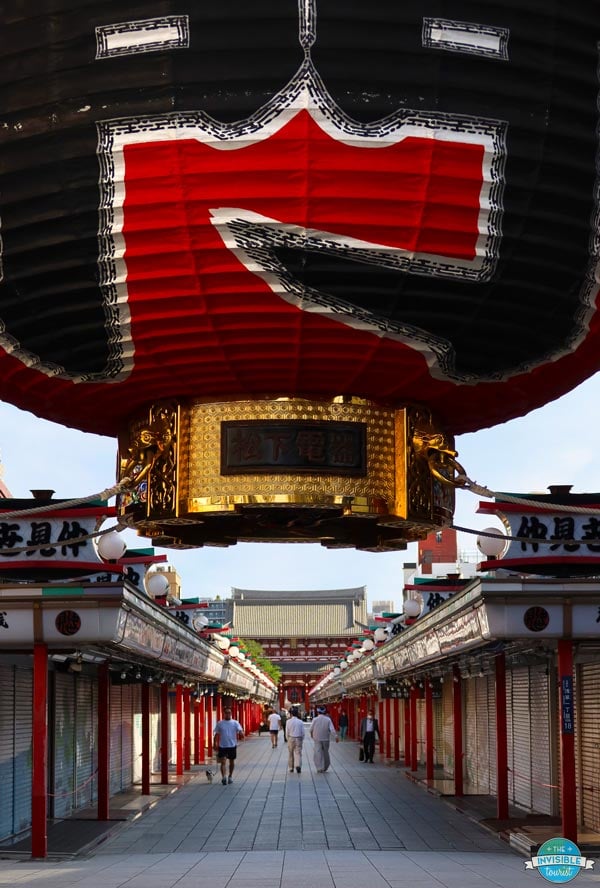
- Shimokitazawa and Sugamo – These two are “in” for 2026, replacing Harajuku which I don’t really recommend anymore as it’s become overcrowded and tourist-centric. “Shimokita” is great for independent boutiques, eateries and has a young local vibe. Switch it with Yanaka Ginza for old-world charm. Sugamo is known as “Grandma’s Harajuku” for its hyper-local street lined with temples, clothing, green tea, street food, traditional sweets and more.
- Ueno – The scenery around Ueno Park is stunning, especially around the Moon Pine and Ueno Toshogu Shrine decorated in gold. It’s fun exploring Ameyo Yokocho for souvenirs, street food and locally made goods, while Nezu Shrine is a delight with its red torii tunnel and perfectly pruned azaleas.
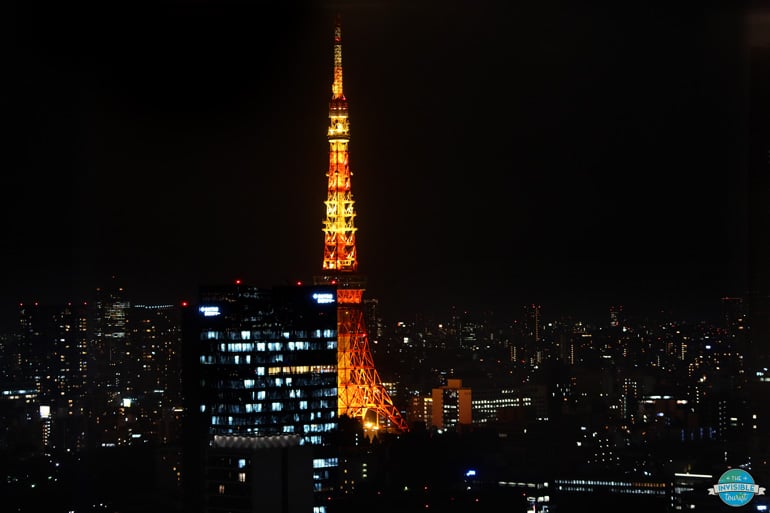
- Minato – Amazing close-up views of Tokyo Tower! Don’t miss lovely Zojo-ji Temple with the tower as a backdrop and thousands of stone Jizo. Stop by at Hamarikyu Gardens’ teahouse for a lovely cup of matcha overlooking the pond and greenery.
- Shibamata – An alternative to modern Ginza, about 45 mins away by train is this preserved neighbourhood that was unaffected by WWII air raids. Eat your way along its main street trying traditional snacks, before visiting Shibamata Taishakuten Temple with its impressive wooden carvings. Afterwards, enjoy matcha overlooking a stunning garden at Yamamoto-tei. More info about Shibamata here.


Where to eat in Tokyo
My personal favourite places to eat in Tokyo are in Shibuya and include Han No Daidokoro (incredible wagyu beef BBQ), Kirin City izakaya, and random little eateries around Shibuya’s Dōgenzaka area. If visiting with kids, my go-to’s are Kura Sushi and Saizeriya.
I’ve also taken this Shibuya ramen tour (use code Invisible5 for a discount) where I was able to try 6 mini bowls with a local ramen expert, and highly recommend it (read my review here).
TIP: Wondering what local food tours are right for you? I’ve personally undertaken multiple in Japan’s capital and reviewed them in my guide to the best food tours in Tokyo to help you choose.
You also can try crèpes in Shimokitazawa, have brunch in Azabujuban, Korean food in Shin-Obuko, traditional foods in Yanaka Ginza, visit the unusual Maidreamin’ maid café in Akihabara, and in Shinjuku the Golden Gai/Kabukicho area and Omoide Yokocho (although this is now very touristy so this Shinjuku foodie tour can help keep things local). Most food stores don’t open until 10am.
If you’re after a quick bite, I love and recommend Japanese konbini (convenience stores – Family Mart, Lawson & 7-11) or street food. My guide to Japanese snacks details the popular and traditional morsels to try, plus exactly where to find them.
As it can be notoriously difficult for vegans and vegetarians in Japan, try this Vegan Night Foodie Tour.

DAYS 5 – 6: Day trips from Tokyo (including Mt Fuji)
Here are some ideas for the next 2 days of your two week Japan itinerary. You could either select 2 separate day trips from my list below, or an overnight stay in Fujinomiya – my personal favourite overlooked place to see Mount Fuji without the crowds.
Be sure to read my full guide to more underrated day trips from Tokyo, some of them I’m sure you haven’t heard of!
Select two separate day trips
- Yokohama 30 minutes from Tokyo
One of the easiest day trips from Tokyo! So many fun things to see and do, such as the Cup Noodles Museum, Japan’s largest Chinatown, Minato Mirai and beautiful harbour view parks. Read my full guide to things to do in Yokohama for more. - Kawagoe 30mins from Tokyo
If you love preserved Edo Period architecture, you’ll adore Kawagoe! Complete with old-world bell tower, stunning Hikawa Shrine, a laneway full of cheap candies and a riverbed of cherry blossoms in spring, it’s one not to miss! My Kawagoe day trip itinerary has all the details and is lovely during cherry blossom season. - Hakone 75 mins from Tokyo
TIP: For 2026, due to the crowds Hakone is “out” as recommendation from me. If it’s onsen you’re after in a quieter location, Shuzenji Onsen is a nice mini alternative to Hakone. Read my guide to tried-and-tested onsen ryokan & hotels in Izu Peninsula. Izu can be reached in around 2 hours from Tokyo and most tourists overlook it, but I adore it! More info about the Izu Peninsula here.
In saying that, Hakone is a super popular adventure for a first-timer’s two week Japan trip, but Mt Fuji views aren’t the best. Still a fun day out if your chances of seeing it are low due to cloud cover. Easily see all the sights around the Hakone Round Course with the Hakone Free Pass. It includes a combination of train, cable car, ropeway, boat and bus to see lakes, hot springs, active volcanoes, art galleries and gardens.
NOTE: Some tourists now queue up to two hours for a photo at Hakone Shrine – I do not recommend this (there is this alternative in Izu with no one else if you’d prefer!)

- Fuji Five Lakes 2 hours from Tokyo
Including spots with an iconic Mt Fuji backdrop such as Lake Kawaguchiko, Chureito Pagoda, Gotemba Outlets, various temples and shrines, 8 sacred ponds of Oshino Hakkai and more. Due to the popularity of local buses and their limited schedules, I reviewed this Fuji Five Lakes day trip itinerary, and I also recommend these days tours around the Fuji Five Lakes.
TIP: Use fujisan.info to check the probability of seeing Fujisan on a given day before heading there! - Kamakura 50 mins from Tokyo
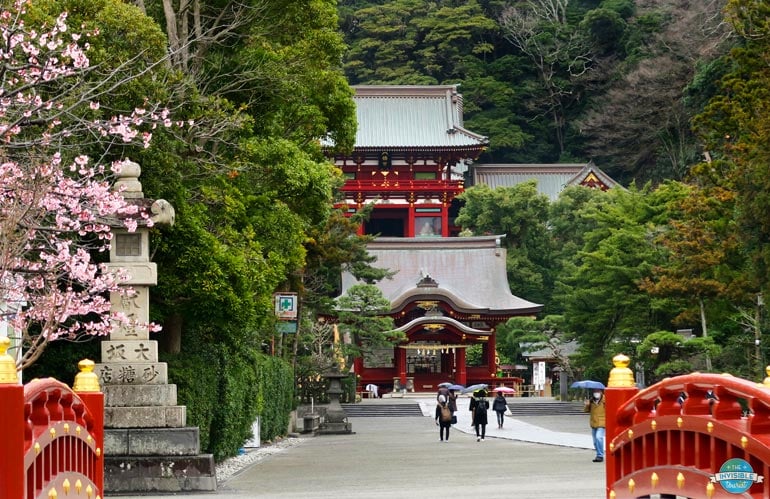
Japan’s ancient capital with many temples and shrines, Kamakura is popular for its famous giant Buddha and easy hikes nearby. Discover hidden caves, Hasedera Temple and enjoy a traditional lunch. Read my full one day Kamakura itinerary for more. - Nikko 2 hours from Tokyo
This stunning UNESCO World Heritage site is home to many temples and shrines (pictured below) nestled within nature’s finest scenery. There are 3 ways to get there using different discount passes, which I detail in my guide to planning a Nikko day trip itinerary. And don’t forget the lesser-known Edo Wonderland theme park (Edo was the capital city of Japan before Tokyo) and Tobu World Square here, with your favourite landmarks in miniature!

Overnight in Fujinomiya
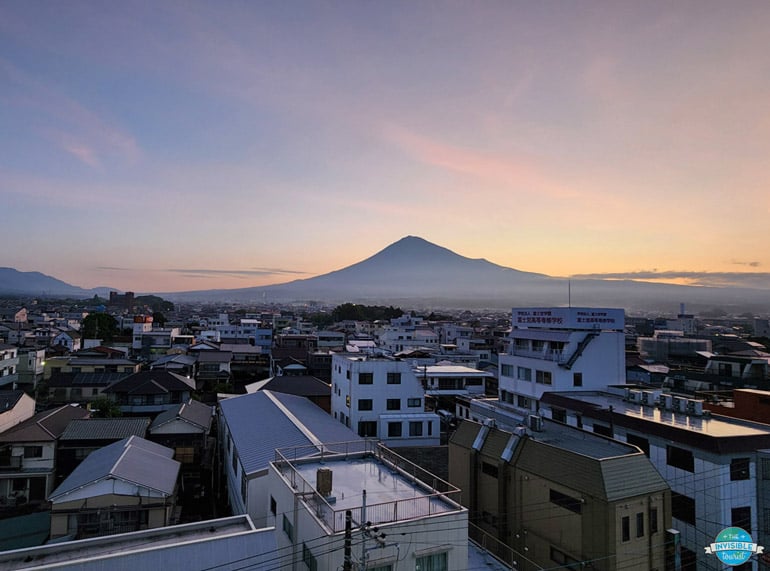
Prefer to spend the night near Fujisan? Located on the mountain’s western edge, I’ve named Fujinomiya as the “unseen side of Mt Fuji.” Most tourists zip right past it on bullet trains between Tokyo and Kyoto, meaning fewer crowds for us – and some of the most incredible views, just look at the sunrise view from my room below!
It is possible to visit Fujinomiya in one day on this Fujinomiya famous food tour (+ bullet train from Tokyo). However, to make the most of your visit and increase your chances of seeing Mt Fuji it’s a good idea to spend the night. Read more my guide to what to do in Fujinomiya for all the details.

DAYS 7 – 10: KYOTO
Days 7-10 of my sample itinerary for Japan is beautiful Kyoto. As Japan’s ancient capital for over 1,000 years and dotted with over 2,000 temples and shrines, this dear old city deserves more than just one day of your time!
There is so much more to see here than the ever-popular Fushimi Inari Taisha, Arashiyama Bamboo Grove, Kinkaku-ji (Golden Pavilion) and Kiyomizu-Dera, which I call the Big 4.
My Kyoto 4 day itinerary below will help you experience a different side of this timeless city by incorporating some hidden gems in Kyoto during your time here, as well as the best times to go to avoid crowds at the Big 4 to enrich your experience.
TIP: Also check out my guide to these lesser-known alternatives to Kyoto without the crowds.
Getting from Tokyo to Kyoto
2 hours 20 minutes one way from Tokyo Shinagawa station on Nozomi shinkansen, free on included trains with the Japan Rail Pass.

Where to eat in Kyoto
I love the random small eateries in Gion’s alleyways, usually just Google-ing for what I feel like at the time. But I can recommend Manzara-Tei Pontochoen restaurant in Pontocho.
I’ve taken this Kyoto night tour and was able to enjoy hidden bars in the Pontocho area. On the tour, I even got to sample a special “rose sake” that I wouldn’t have been able to find by myself, read about it here! Nishiki Market is popular with locals and tourists and is therefore crowded.
It’s also possible to do a cooking class, read my ramen-making experience here, while others combine traditional Kyoto cooking classes and tea ceremonies. Some allow guests to dress up in kimono.
You can pre-book a small group tour in advance to learn more about culture from a local guide:
- Enjoy a special evening with a maiko (trainee geisha) in Gion! This was one of my favourite experiences in Japan ever. Read my review of dinner with a maiko in Kyoto, and check availability and book here →
- What better place to have breakfast than in the “Kitchen of Kyoto” on a Nishiki Market Breakfast tour →
- Explore the mysterious laneways of Gion, enjoy hidden eateries (and maybe may spot a geisha or two) on a Kyoto night foodie tour →
- Use discount BYFOODIT5 for 5% off these ByFood tours, exclusively for my readers:
- Experience a traditional Gion & Kaiseki Kyoto Food Tour →
- Enjoy a Kyoto Market with 7 Course Lunch Tour →
- Explore the historical centre of the city on a Kyoto Casual Pontocho Evening Food Tour →
- Learn about Japan’s national beverage on a Kyoto Sake Brewery Tour With Lunch →
- Have a blast on a Kyoto Luxury Sake, Whiskey & Cocktail Night Tour →
- Take a day trip to experience a Matcha Kyoto Green Tea Tour Uji → (read my review in my guide to things to do in Uji and itinerary for an Uji day trip)


Ideas for things to do in Kyoto
TIP: By grouping nearby attractions together, you can visit the following locations in a day each. My full Kyoto itinerary has all the details. If you’d like to switch Kyoto for a compact, lesser-known alternative, read my day trip to Omihachiman itinerary.
- Downtown Kyoto: As you’ll likely arrive in the early afternoon from Tokyo, explore the downtown area with its many shotengai (undercover shopping arcades), see Kyoto Tower and walk along the Sanjo Ohashi Bridge 三条大橋. Maruyama Park 円山公園 and popular Yasaka Shrine 八坂神社 are much more peaceful in the late afternoon after day-tripping crowds have left.
- Northern Kyoto: You could start at the crack of dawn at Arashiyama Bamboo Grove to avoid crowds (I personally enjoyed the lesser-known and quiet bamboo groves of Kodai-ji instead 高台寺). Enjoy often overlooked spots in Arashiyama such as Gio-ji Temple & Moss Gardens 祇王寺, Adashino Nembutsu-ji 化野念仏寺, then finish the day at famous Kinkaku-ji Temple 金閣寺 (Golden Pavilion), one of Japan’s many UNESCO World Heritage sites. The best time to avoid crowds at Kinkaku-ji is in the late afternoon when tour buses are gone. But I think the gold-filed interior of of Nijo Castle 元離宮二条城 is more impressive and would honestly prioritise that instead!
- TIP: You can skip Arashiyama Bamboo Grove completely by taking this Fushimi Inari Hidden Hiking tour with a local guide, as it visits secluded groves along the way. I loved this experience, more info down the page.


- Eastern Kyoto: Begin the day at stunning Daigo-ji 醍醐寺 temple & gardens followed by Nanzen-ji 南禅寺 with its huge 19th century working aqueduct, or pop by Tofuku-ji 東福寺 with its exquisite Japanese maple gardens. Spend the afternoon strolling the Philosopher’s Path north to Ginkaku-ji 銀閣寺 (Silver Pavilion). The Silver Pavilion is said to be the little brother of Kinkaku-ji (Golden Pavilion) and in my opinion had the more exquisite gardens. Hop on over to Okazaki-jinja 岡﨑神社 if you love rabbits, as this gorgeous little shrine is dedicated to these furry friends!
- Central Kyoto: Begin early at iconic streets Sannenzaka and Ninenzaka to spot Yasaka Pagoda without crowds (unfortunately the iconic cherry tree of Sannenzaka fell down so it is no longer). Don’t walk past colourful Yasaka Koshindo! From here, Kiyomizu-dera 東福寺 is best explored either early morning or late afternoon – but is usually packed for sunset. Pick up some meaningful souvenirs along Shijo-dori, visit Kennin-ji 建仁寺 with its stunning dragon-painted ceiling, then if you don’t do the Hidden Hiking Tour I mentioned, spend late afternoon at Fushimi Inari Taisha Shrine 伏見稲荷大社, a UNESCO World Heritage site you’re sure to recognise with its endless rows of red torii gates.
TIP: Fushimi Inari literally covers the side of a mountain. Be prepared for loads of walking because the sign at the start is NOT to scale! If you want to avoid the crowds but DON’T want to get up at the crack of dawn or go at night, this Fushimi Inari hidden hike with a Kyoto local guide during the day might be up your alley. It also visits secret bamboo groves along the way, so this could save you the trip to Arashiyama. Read my Fushimi Inari Shrine hike review for what to expect.
NOTE: Maybe you saw news that the local government closed some streets in Gion in response to tourists’ harassment of geisha. It is a few select private streets, not the entire neighbourhood. My guide to the Gion tourist ban has what you need to know.

Advance tickets for activities in Kyoto
Check out “Gear,” an incredible non-verbal performance exclusive to Kyoto. The characters really come to life and tell a story through music, magic tricks, various choreography routines and colourful lighting. I thoroughly enjoyed it!
I also highly recommend my traditional tea ceremony in Kyoto with a geisha experience, I learnt so much about the history and culture surrounding tea from her. More Kyoto experiences include:
- Dinner with a maiko (apprentice geisha) →
- Forge your own knife with a master swordsmith → (or similar traditional cultural experiences here)
- Matcha foodie day trip to Uji →
- Arashiyama Sagano Romantic Train tickets →
- Historical 4 hour city cycling tour →
- Fu Fu No Yu Onsen entry tickets (indoor & outdoor hot springs) →
- Kimono rental with optional photoshoot →
- Kyoto International Manga Museum tickets →
- Arashiyama rickshaw tour →

DAYS 10 – 12: HIROSHIMA
In my opinion, everyone should visit Hiroshima at least once if given the chance. Being a history nerd, I was so interested to learn survivors’ stories and to see how this city recovered after the fateful blast in August 1945.
To be completely honest, if the Atomic Bomb Dome wasn’t sitting centre stage as a reminder of the past, you would never guess the atrocity that happened here eighty years ago.
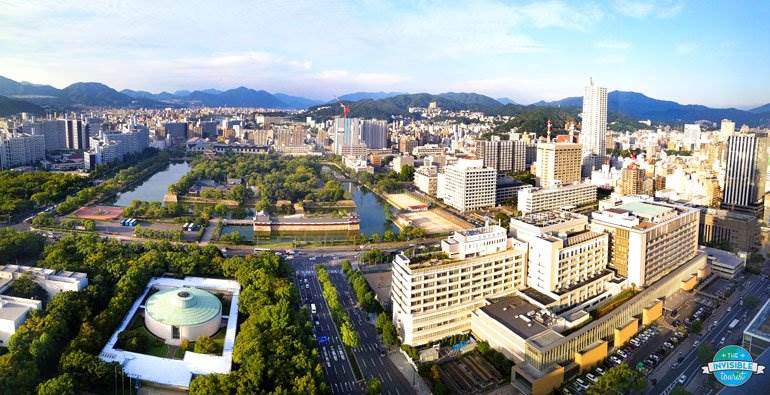
Aside from its fateful history, Hiroshima is one of the most beautiful southern Japan cities and is worth spending a few nights to explore beyond the Peace Park.
Getting from Kyoto to Hiroshima
1 hour 40 minutes from Kyoto Station on Nozomi shinkansen, free on included trains with the Japan Rail Pass.
Where to eat in Hiroshima
Plenty of restaurants to choose from along the Hon-dori. Try the local okonomiyaki (savoury pancake), at Okonomimura, a four-storey building packed with okonomiyaki eateries! You can’t really go wrong in here as each restaurant is its own business, specialising in cooking this dish their own way.
I also enjoyed sampling Japan’s famous soufflé pancakes at Happy Pancake (and I didn’t have to wait in line).
Want to discover more of the hidden eateries and drinking spots? For an authentic Japanese experience, you can take a Hiroshima bar hopping tour with a small group led by a local, or a best of Hiroshima foodie tour. Or even take a “Sake Town” tour in Saijo to learn more about Japanese food, culture and even make some new friends along the way!

Ideas for things to do in Hiroshima
TIP: The following locations are part of my complete meaningful and fun things to do in Hiroshima travel guide, be sure to take a look for more details!
- Eat, explore and shop along the Hondori Arcade. You’ll also find wonderful little souvenirs to remember your visit.
- Reflect at the A-Bomb Dome 原爆ドーム (UNESCO World Heritage site), be amazed by thousands of colourful paper cranes at the Children’s Peace Monument and find Jizoson. The atomic bomb struck Jizoson and left it with a nuclear shadow, incredible and eerie.
- You’ll also see the Peace Arch on your way to the Hiroshima Peace Memorial Museum 広島平和記念資料館. Artefacts that survived the blast are on display in the museum, including ceramics that were fused together due to the extreme heat from the explosion. It’s difficult to get your head around but the museum does a great job of helping you gain a better understanding about nuclear bombs and their consequences.
- The Peace Flame located by the Peach Arch will burn until the last nuclear weapon on Earth is destroyed, and nearby are Phoenix Trees that were blasted by the atomic bomb and miraculously survived, their charred trunks hollowed by the explosion.
- One of the most moving places to visit in Hiroshima is the National Peace Memorial Hall for the Atomic Bomb Victims. Here you’ll learn why the symbolism of water is so significant to many monuments in Hiroshima, listen to stories of survivors and see a huge soil sample of the city dating from 400 years until after the Peace Memorial Park was created in 1954. Seeing the blacked debris wedged beneath the soil is eye-opening.

- Visit Shukkeien Garden or Hiroshima Castle (obviously the castle is not original and was rebuilt in 1958).
- If you would prefer a local guide to show you around the city and explain the sights in more detail, a Hiroshima walking tour may be a good option for you. With a personalised touch and stories from a local who calls Hiroshima home, you’ll gain a greater understanding about this beautiful city. Lunch is included, too!
- Find more local tours in Hiroshima here.
- Take a quick day trip to Onomichi, an old seaside town most visitors overlook between Kyoto and Hiroshima. Filled with temples, scenic viewpoints, known for ramen and cats, it’s one not to miss for art lovers, too!

OPTIONAL: Day trip from Hiroshima to Miyajima (Itsukushima Shrine)
To extend your Hiroshima itinerary, nearby Itsukushima Shrine 厳島神社 is a UNESCO World Heritage site. The present shrine dates back to the mid-13th century and is one of Japan’s National Treasures. The shrine is famous for its giant floating torii gate, but there is so much more to discover here!
- Getting there: Aquanet Ferry from Hiroshima Peace Park to Miyajima island, approx 45mins.
- Cost: Not included with the JR Pass, an adult roundtrip JPY 4,000 ea.
As I’ve visited three times now, I’ve written a detailed guide for your Hiroshima to Miyajima day trip here! Take a look for more photos, ferry comparison with and without the JR Pass (and why I don’t recommend using the JR Pass in this instance), overlooked places and what NOT to do to help make the most of your visit.
TIP: Check the tide information before your trip to find out whether the Grand Torii will be in high or low tide during your visit. At high tide, it appears to float on the water and makes for stunning photos. In low tide, you can walk right beneath it and appreciate the bright vermilion colour up close.


DAYS 12 – 14: OSAKA
Known as the “Kitchen of Japan,” you can literally eat and shop until you drop in Osaka! Prepare for all your senses to be delighted in this city, from the aromas of sizzling takoyaki to the dizzying sounds of Pachinko parlours and bright neon signs assaulting your eyes.
Osaka’s origins are that of a merchant city rather than samurai, so be sure to stand on the RIGHT side of escalators instead of left (like most of the country)!
Getting from Hiroshima to Osaka
1 hour 20 minutes from Hiroshima on Nozomi shinkansen, or free on included trains with the Japan Rail Pass.

Where to eat in Osaka
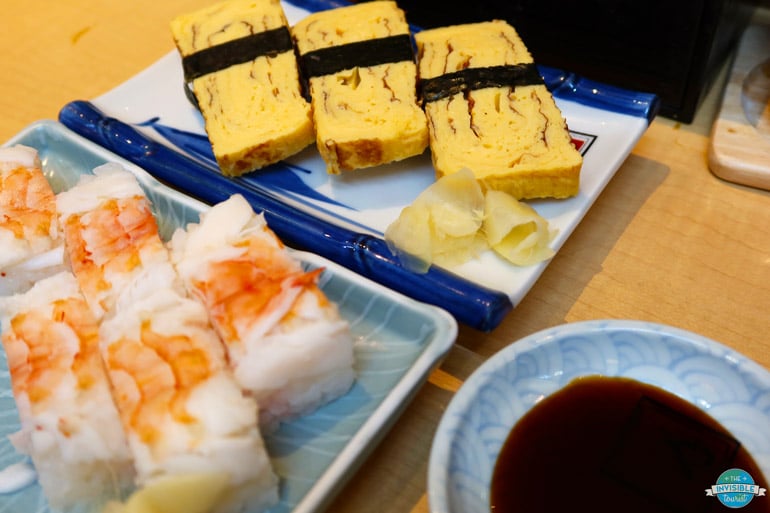
World famous for its delicious street food, no Osaka trip would be complete without trying as much as possible! Kurmon Ichiba Market is popular with visitors and locals alike, or you can fish for your own dinner at Zauo Restaurant.
To avoid the crowds along Dotonbori on my second visit, I personally enjoyed eating my way around the Shinsekai neighbourhood with a local to show me the hidden spots I would never have found on my own. This unique and retro area of Osaka was mostly spared during the war, with some original buildings still dotted throughout.
Read my review of the best Osaka street food according to locals or book your own foodie tours with friendly local guides:
- Osaka Shinsekai Street Food Tour – Evening →
- Daytime Street Food Tour in Shinsekai →
- Daytime Foodie Tour in Dotonbori →
- Osaka Night Bar Hopping and Food Tour in Namba →
- Find more experiences in Osaka here.
Ideas for things to do in Osaka
TIP: You can see most of the following locations in Osaka in 2 days, then add on a day trip afterwards. Be sure to check out my in-depth Osaka itinerary for more details than I’ve listed here.
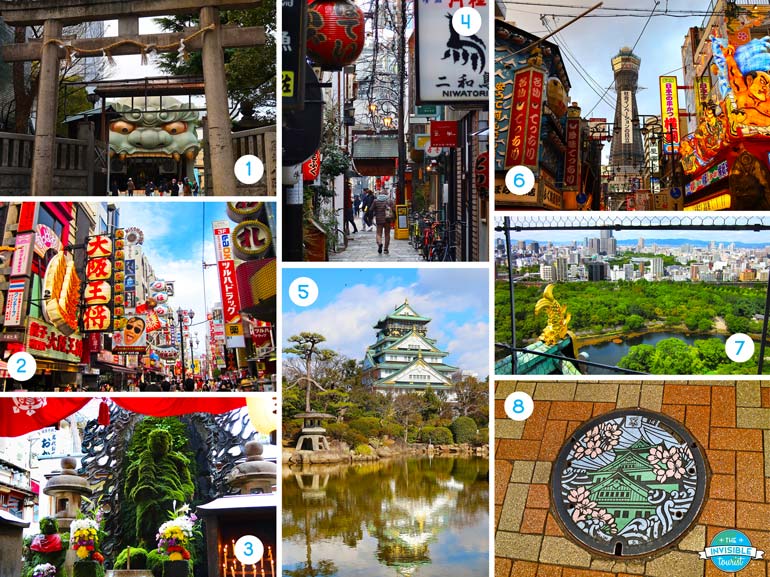
- See the famous Glico Man over the river from Dotonbori 道頓堀, keep an eye out out for artistic drain covers (pictured below), be amazed at all the shops and how meticulously the products are arranged.
- Spend the day at Osaka Castle Museum 大阪城, check out the 360º view from the observation deck and wander the beautiful grounds. During February, the peach and plum grove behind the castle is a great alternative to the overcrowded cherry blossoms of late March. Don’t miss the Time Capsule out front to be opened in the year 5000!
- Embrace the foodie scene: The Japanese phrase kuidaore (eat ‘til you drop) is well known in Osaka as you can literally do just that! Some great places to start your foodie adventure are Shinsaibashi-suji Arcade and Kuromon Ichiba Market.
- Find Hozen-ji Yokocho: An Osaka hidden gem buried away in the quiet backstreets along with the mossy statue of Mizukake Fudo.
- Visit the giant lion’s head at Namba Shrine.
- In the late afternoon, head to the retro Shinsekai or America-mura neighbourhoods. Shinsekai dates back to the 1930’s and was known as the “New World” to showcase European architecture to Japanese locals at the time.
OPTIONAL: Day trip from Osaka or Kyoto to Nara
An Osaka to Nara day trip is simple and fun! Holding a great historical significance to the country, Nara 奈良 was Japan’s first permanent capital in 710 AD. The city was heavily influenced by Buddhism, with many structures reflecting this.
Deer are believed to be messengers to the gods, and roam freely around the city. To me, Nara has a spiritual aura that is not found in many other places, I just adore exploring in the late afternoon during the “golden hour!”
- Kyoto Station to Nara: 35 mins on limited express Kintetsu train to Kintestu Nara Station (closer to the Nara Deer Park), or 45mins to JR Nara Station.
- Osaka Namba Station to Nara: 50 mins on limited express Kintetsu train to Kintestu Nara Station, or 45mins to JR Nara Station.
- TIP: If using the Kintestu line for your Nara 1 day itinerary, you may need to pay cash for the Limited Express portion of your ticket on board if using a Suica card to pass through the ticket gates. A member of staff will pass through to check tickets and you can pay a few yen in coins.

Ideas for things to do in Nara
TIP: My detailed Nara one day itinerary from Osaka or Kyoto covers the below locations and more in further detail, and includes plenty of travel tips from my two visits.
- Todai-ji Temple 東大寺, a UNESCO World Heritage site and the largest wooden structure in the world. Be amazed by the giant bronze Buddha and see if you’re small enough to fit through the pillar with a hole the size of Buddha’s nostril for good luck!
- Yoshiki-en Gardens 吉城園 are a breathtaking world of moss and leafy surrounds.
- Sarusawa Pond Park & Ukimido Pond for lovely views with old structures as backdrops.
- Naramachi old town with its interesting English-focused Naramachi Museum.
- Todai-ji Nigatsu-do 二月堂 for lovely panoramic views over Nara (especially at sundown!)
- Kasuga-Taisha Shrine 春日大社 for 3,000 stone lanterns and golden suspended lanterns. It’s Nara’s most celebrated shrine, with a winter fire festival held in January.
- Kofuku-ji 興福寺, family temple of the Fujiwara clan and some of the oldest structures in Nara.
TIP: For more day trip locations nearby that aren’t Universal Studios, check my detailed guide to inspiring day trips from Kyoto or Osaka (including a day trip to Uji, Himeji, Kobe and more) that covers popular destinations and alternatives to crowded spots.

DAY 14: TRANSIT TO TOKYO
I highly recommend arriving back in Tokyo at least one day before your flight home to allow a buffer for anything unforeseen, Japan is a land of natural disasters after all. It’s wise to factor in extra time for shinkansen delays due to snow, typhoons, earthquakes etc to not miss our international flight.
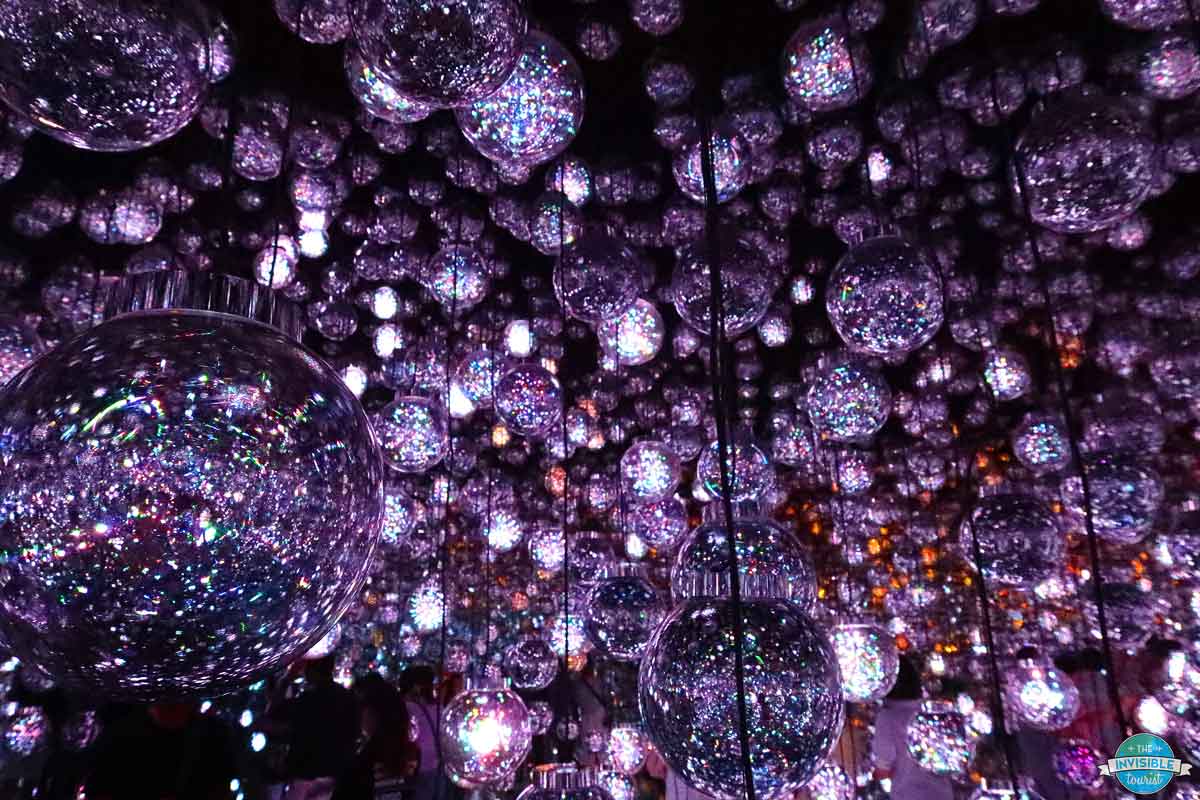
Once you arrive back in Tokyo from Osaka or Kyoto, you can spend the day visiting a museum or an experience such as teamLab Borderless or Planets, revisiting a favourite neighbourhood, or exploring a new one in my Tokyo neighbourhood guide! Where will you choose?
TIP: Read my honest advice on if teamLab Borderless is worth it for you, from my two visits in the old vs new locations.
Getting back to Tokyo from Kyoto or Osaka
2 hours 40 minutes from Osaka Station / 2 hours 10 minutes from Kyoto Station on Nozomi shinkansen, free on included trains with the Japan Rail Pass.
TRANSIT: Tokyo from/to Haneda or Narita Airports
I recommend flying into Haneda if it’s an option for you, as it’s closer to central Tokyo. Narita is actually located in Chiba Prefecture and is further away, but is a nice preserved town in itself if you need to spend a night there before or after a flight.
How to get to/from Tokyo via Haneda Airport
Haneda Airport <> Tokyo (Hamamatsuchō) via Tokyo Monorail, 15 minutes. Asakusa will take another 25 mins, while Shinjuku and Shibuya will add on another 30-40 mins.
TIP: Your IC/Suica Card will cover the cost of the monorail, too!
How to get to/from Tokyo via Narita Airport
Narita Airport <> Tokyo via Narita Express, approx. 1 hour.
TIP: An alternative is the Airport Limousine Bus. At almost half the cost of Narita Express, you’re able to book tickets in advance. Find out more about Narita Airport Limousine tickets.
Money saving tips for Tokyo transport
The famed Japan Rail Pass does not pay off for this itinerary. I instead recommend purchasing individual tickets to save money. You can book these online in advance via SmartEx or Klook, at ticket machines in Japan or in person at a JR ticket office.
TIP: The Tokyo Subway Pass offers discounted travel rather than Suica (IC) Cards. Read my guide to train symbols in Japan Google Maps that easily breaks down the different types of transport cards, when to use each, and which is best for you.

Two weeks in Japan budget: How much does it cost?
To make things even easier for you, I’ve added up costs to give you an overall 2 weeks in Japan cost. This total is travelling with a mid range budget for two adults.
By all means, don’t take this as absolute gospel, my preferences may differ to yours in terms of using the JR Pass (and the exchange rate may alter a little) but feel free to use it as a ballpark figure. You can always spend more or less than this!
2 weeks in Japan cost for two adults
- Flights – Vary wildly depending where you’re flying from! From my native Sydney, Australia to Tokyo Narita or Haneda, these days 1,500 AUD or less for direct is a good deal. Flights are much more expensive since Japan reopened their borders in October 2022.
- Hotels – USD 2,200 approx / JPY 34,400
All 3-4 star, twin share - Long Distance Trains – USD 950 approx / JPY 148,600
All Nozomi shinkansen trips, express train to Hakone, Ferry to Miyajima etc - Total for 2 adults, 2 weeks excluding spending money: USD 3,150 excluding flights and spending money (approx, depends on exchange rate).
In terms of spending money, I usually allow around USD 300-400 per week for myself. This includes Suica card top ups, temple entries, convenience store meals, small souvenirs etc. You can easily spend a lot more or a lot less, it’s entirely up to you! I’m quite the splurger on holidays and even I come home with a small amount of change afterwards.
Things to keep in mind for your Japan two week itinerary
Busy Periods and Public Holidays in Japan
Once you’ve locked in your flights for your two week trip to Japan, it’s wise to book accommodation well in advance to avoid disappointment during the expected busy travel periods. Note some accommodations only show availability 3-6 months in advance.
- New Year’s: This extends from just after Christmas to the first week of January. Expect a lot of store closures and bullet trains to be very crowded as people travel home from the cities to celebrate. And remember, some ATMs take a holiday break from 1st – 3rd January, too – they won’t dispense any cash during this time.
- Late March – mid-April is the popular cherry blossom season so plan in advance. Find out when is the best time to visit for cherry blossoms depending on the locations you wish to view with my spring in Japan guide. You can also work around these less popular yet beautiful spring flowers in Japan that aren’t cherry blossoms to avoid the main crowds.
- In late April – early May, Golden Week is the busiest time of year for travel in Japan, mainly from locals travelling around the country during these holidays. The holidays begin on 29th April and will run through to 5th May. Be prepared for crowds, or try to avoid this time as everyone in Japan is moving around and visiting their families over the break.
- Fall foliage: Another popular time to visit Japan when the Japanese maples turn red! The season ranges from September to November throughout Japan.
- Silver Week: Occurs every five to six years when several Japanese holidays align in mid-September to create a 4-day weekend. The next Silver Week will occur in 2026.
- See the full list of public holidays in Japan.
Tickets for popular attractions
- Tickets for Shibuya Sky, Studio Ghibli Museum, Ginza Art Aquarium, Making of Harry Potter Studio Tour, Tokyo Disneyland & DisneySea, are incredibly popular and often sell out. These and many more tickets can be purchased in advance online. Some need to be booked up to 8 weeks in advance, so be sure to take a look!
- The Sumo Tournament is only held three times per year (January, May & September) and may no coincide with your trip. You can opt to see the Sumo morning practice in their stables with a local guide instead.
Concluding my two weeks in Japan itinerary
So there you have it with my 2 weeks in Japan itinerary sample! Heading from Hiroshima to Tokyo takes around 5 hours, so that’s the better part of a day gone. This loop itinerary is the most efficient way to see all the main sights (and also wander off the beaten path) without backtracking or being short on time.
Although it may look like my partner and I crammed a lot when seeing Japan in 2 weeks, I can honestly say we never felt rushed. Being prepared allowed us to leisurely stroll between many attractions and enjoy taking our time uncovering the wonders that make this incredible country so unique.
Finally, you don’t need to head back to Tokyo if you’ve chosen to fly out of Osaka at the end of your trip. From my home of Australia at least, I personally find return flights from Tokyo cheaper than an open-jaw Tokyo/Osaka ticket – and this includes the bullet train back to Tokyo.
More expertly curated Japan guides
- Want to avoid crowds on and off the Golden Route completely? My itineraries for 10 days in Japan and one week in Japan‘s Tokai Region cover unique destinations overlooked by most foreign tourists.
- Curious to see where an extra week can take you? My Japan 3 week itinerary combines the Old and New Golden Routes.
- Planning a special occasion? My Japan honeymoon itinerary covers romantic spots in lesser-known destinations to help you avoid crowds.
- Thinking of a road trip? My detailed 7 day Kyushu itinerary covers sights overlooked by foreign tourists, utilising train and rental car, with the option to extend to 10 days.
- Explore overlooked areas with my 10 day Shikoku itinerary and Okinawa travel guide.
- Want all the facets of Japan in one overlooked spot between Tokyo and Kyoto? My one to 7 days Izu Peninsula itinerary ticks all the boxes.
- Find more places in Japan that are off the beaten path to avoid crowds.
- And if you’re also heading to Seoul, Busan and want some ideas for lesser-known gems, my 10 day South Korea itinerary is for you!
How are you going planning your 2 weeks in Japan? What are your thoughts on this Japan itinerary 14 days? Or do you have any questions about it? I’d LOVE to hear in the comments below.
If you found this helpful please share it with your friends, join my free Japan Off the Beaten Path Facebook Group, or come and join me on Facebook, YouTube, Pinterest, Instagram and TikTok for more Japan inspiration!
Until next time,

Like it? Pin it! 📌

This 2 week Japan itinerary contains some affiliate links, at no extra cost to you. I may earn a small commission if you decide to make a purchase and if you do, thanks for your support! This helps with the costs of running my blog so I can keep my content free for you. As always, I only recommend a product or service that I genuinely love and use myself!
Hi, Alyse! What do you usualy do when arriving in a new city but you can’t enter your hotel yet because it’s earlier than check-in time? Do you travel around with your lugage? Do you travel only on afternoons? How to make the most of inter city travel days?
Hi Phill, great question!
I usually travel with a large suitcase as I’m away for weeks at a time, so I’ll head straight to my hotel.
Sometimes, you can get lucky and your room may be available early! If not, hotels will hold your luggage for you until it’s time to check-in.
Same goes for checking out on my last day, if I have an evening flight I’ll ask the hotel to hold my bag until it’s time for me to leave for the airport. Then I’m free to explore away without worrying about dragging it everywhere.
In Japan, some people like to place their luggage in storage lockers located in train stations. This is also very convenient, however I keep in mind that these lockers are very popular and would prefer not to risk having to rely on one, only for there to be none available.
Thanks for your comment and I hope you have a great trip!
Thank you!!!
I’m a Japanese, but I’ve never been to Hiroshima and Miyajima.
And also I’ve never seen Atomic bomb dome. The trip cost looks expensive, but it’s normal in Japan. The trip can visit around Japan, so I want to do this trip.
If you can make the time, you should definitely visit!
It is such a beautiful region of Japan, and both the ancient and modern history is very humbling.
If you have any questions about this itinerary, I’m here to help 😊
Wishing you all the best with your trip, Sacli!
Hi Alyse! I’m planning for my long-awaited trip to Japan since the pandemic. We’re planning to go from late Mar to early Apr to see the cherry blossoms and will stay for 2 weeks between Tokyo and Osaka and the other prefectures in between. It is likely that I will start the trip from Tokyo and end in Osaka however, I’m not sure if I should fly back to Singapore from Osaka (ANA and JAL flights both have transits in Haneda meaning, Kansai > Haneda > Changi Singapore) OR should I take the shinkansen from Osaka back to Tokyo and fly back from Tokyo? I’ll most likely be purchasing the JR pass. I just wanted to find out what is the most convenient and logical way to fly back. Hope you can answer my question! (ps. really loving your content! It’s not my first time in Japan so I will be taking bits and pieces of your suggested itinerary.)
Hi Gladys! Thanks for reading 😃
That is a tough one, I guess it would come down to the time you have available for your trip.
Are you able to make it worth your while to add an extra day or two in Tokyo at the end of your trip, seeing as you would have to transit through Haneda anyway?
I think taking the bullet train back to Tokyo would only be worthwhile if you could spend extra time there (or if you really enjoy bullet train journeys!)
I hope that helps and you have a wonderful time back in Japan soon!
Hi,
When did you last update your pdf guide books for japan (the 2 week – tokyo-osaka and kyoto guides ?)
I plan to vist Japan with my 14 year old daughter next spring as first timers and your way of travelling (blending in) is similar to mine.
best
catherine
Hi Catherine,
I update them regularly because things change all the time 😃
Most recently was March 2022, but I will be including more things from my June 2022 trip shortly.
If you purchase it and I update it afterwards, you will receive an email to download the updated version 😊
Thanks for following along and I’m glad to hear you enjoy “blending in” as well!
Hi Alyse,
This is a fantastic resource. We all were so sad when we had to cancel our March 2022 Japan trip due to the pandemic, but I am now replanning for March 2023 (I remain cautiously optimistic that it will be open by then for tourists)!
We only have 12 nights for our trip (2 adults and 2 teenagers); we already booked my flights.
We currently are planning for:
-Tokyo: 3 nights
-one night in a ryokan (perhaps Hakone)?
-Kyoto: 5 nights (with daytrips to Nara/Uji)
-2 nights??;
-1 night (with a location that is low-stress to get back to Narita airport by early afternoon)
We still have these last 3 nights to plan.
A few questions:
1. Would you recommend Hiroshima/Himeji as a combined day trip from Kyoto (or would you stay there)? If staying, would you do this BEFORE Kyoto (e.g., long train from Tokyo all the way to Hiroshima and then work our way back to Tokyo)? Or would you go after Kyoto, and then make the way back via Osaka?
2. We have beautiful lakes and mountains in Canada. Is Hakone worth the effort/expense or should we try a ryokan elsewhere? Ideally we would want one with an onsen.
3. We want to spend time appreciating nature (not just the cities). I read great things about Ise-Shima and/or Shikoku/Seto Islands (which could allow a beautiful day of biking). What are your thoughts on these? Are they too inconvenient?
4. What are your thoughts on Koyasan and/or Nikko?
Thanks for any thoughts/suggestions!
Roger
Hi Roger,
Thanks so much for your lovely compliment 🙂 We all have our fingers crossed for next spring!
To answer your questions:
1. I wouldn’t recommend Hiroshima and Himeji in a single day trip – Hiroshima has so much to see beyond the Peace Memorial Park and is worthy of at least 2 days, especially combined with beautiful Miyajima Island. While I’ve not personally visited Himeji just yet, from my research it’s a great day trip on its own (the castle is incredibly impressive!). So if staying in Hiroshima, I would do as I have suggested in the above itinerary and journey to Hiroshima after Kyoto, then stay in either Osaka OR Himeji on the way back up to Tokyo to break up the trip.
2. From my experience visiting Hakone in the summer months, it’s fun doing the round-course and enjoying the scenery from different modes of transport. But if going purely to see Mt Fuji, I honestly don’t think Hakone is the place. The Fuji Five Lakes area offers more scenic vantage points of this sacred mountain. And if visiting in late March, the iconic cherry blossoms. There are private onsen with Mt Fuji views around there as well, it may be worth your while looking into if that interests you!
3. Have you heard of the Shimanami Kaido cycling trail that covers six of the Seto Islands? It starts in Onomichi (on Honshu, Japan’s main island) and finishes in Matsumaya on Shikoku island. You could even stay in Dogo onsen there, the one featured in the popular “Spirited Away” anime. This may be another great option to fill your days between Hiroshima and Osaka.
4. Nikko is certainly worth the day trip, the temples are exquisite! Although in terms of scenery, I personally held out to visit in summer (and would revisit in autumn) to fully appreciate the forest colours, as the region is a bit sparse in early spring. I visited Nikko’s Edo Wonderland in early March and there was still snow on the surrounding mountains and bare trees. Read my full guide to a Nikko day trip from Tokyo for essential tips. I have heard nothing but magical things about Koyasan, everyone I have spoken to highly recommends staying there!
I hope that helps! Happy to answer any other questions you have 🙂 Thanks for reading and happy Japan itinerary planning!
Thanks, Alyse for the great advice, especially the advice regarding Nikko when the trees may be bare.
I will be looking into staying in Hiroshima. I know you recommended some great places to stay there. Any benefit of trying to spend a night in Miyajima?
I had heard of Kaido cycling trail; I will be looking into this too!
Thanks,
Roger
Happy to help!
You could definitely stay the night in Miyajima, it would be perfect to explore places after the day trippers have left and early morning the following day before they arrive again.
In saying that, I believe most shops close around 5:30pm, whereas if you stay in Hiroshima there is much more nightlife there.
I personally try to minimise the amount of checking in and out when abroad, but this is my personal preference 😊
It would be so special to feel like you had the island all to yourself, though!
Hi Alyse,
Your guide has helped me tremendously with planning my Japan trip. I’m going to follow the full guide for my trip in May but I have a few days spare and wanted to get your thoughts.
I’m due to arrive in Tokyo 22nd May – 8th June (18 nights). I’d like to visit Hakone when traveling back from Osaka -> Tokyo for 1 night stay in a ryokan. That would still leave me with 1 extra night to play with before a final night in Tokyo – any recommendation of where to extend?
Hi Jack,
I’m so happy my itinerary has been able to help with your planning!
I’d recommend staying around Lake Kawaguchiko to try and see Mt Fuji up close (although in May/June is the beginning of the rainy season, so your chances might not be the best).
Failing that, you could try Yokohama, Kobe or even Kamakura. Or, you could spend an extra night in Osaka and take a day trip from there to Himeji instead!
I hope that helps, happy to answer any other questions you have 😃
Hi Alyse
Thanks for putting together this tremendously useful guide which I’m using to help with a 2 week itinerary.
One point to mention, in the “getting there” sections, it could be mistakenly interpreted that travel on the Nozomi Shinkansens are included in the JR Pass which of course is not correct.
Thanks again
Errol
Glad to hear you’re finding my Japan itinerary helpful, Errol!
Well noted, I’ll take a look at my wording. Thanks for your comment 😊
Wow, what an incredible resource you’ve put together on this site. I am in awe of all the detail!
Thanks again for a truly excellent website on Japan.
Clare
Thanks so much for your kind words, Clare! 😃
Hi Alyse,
Thank you for your comprehensive itinerary. Been to japan couple of times, but going to explore Nara and Hiroshima coming end of Oct 22. Hopefully the border is open for tourists and able to see autumn foliage as well.
With Regard
Ms Rajes
You’re going to love Nara and Hiroshima, especially if you can spot the autumn foliage! The Hiroshima region is such a beautiful part of Japan and an important one to visit if given the chance. Thank you for your kind words Ms Rajes, so glad you loved my itinerary and fingers crossed your trip can go ahead later this year!
Amazing article, thanks for sharing the full details and also your experiences. Your itinerary has helped me a lot for when I can eventually go to Japan for my 1st tour.
It makes me so glad to hear that, Joe! Thanks for your comment 🙂
You made my day. I was thinking to go to Japan for a few days. That’s why trying I’m to get some information and just found everything in your blog. Many many thanks for sharing with us.
So glad you found everything you needed right here, Joe!
Hello Alyse,
This was great!
I would love some advice. I have wanted to travel to Japan since I was 15 (that was 11 years ago). I have the money and the drive, and then the pandemic happened. I want to buy the tickets now since they are very inexpensive, and I have time to plan and save if necessary. However, I have some concerns.
I found roundtrip with Air Canada for $546 (which is very cheap!) for a 14- 19 day trip in April or May (I am in NYC). I’ll be traveling with my two brothers, so some of the expenses will be shared. However, this budget plan is for me alone:
Airfare: $600
JR Rail Pass: $440
Accommodations: $1300
Local Transportation: $140
Attractions: $200
Food: $400
Portable Internet: $40
Random Spending: $200
The total is 3320, but I am budgeting and rounding for $4000.
I am thinking of following this basic itinerary after my research and my interest and your great suggestion:
Tokyo (1-5); Kyoto (6-10); Hiroshima (11-13); Osaka (13-15); Tokyo (16-17/19)
I read your guide and have some questions.
1. First, if I buy the tickets today, and in May 2021, Japan still has some restrictions, such as quarantining foreigners for 14 days, can I cancel my flight and get a full refund from the airline? I am afraid to buy the tickets, and then lose the flight and the money or not get the full experience of Japan because of how things are right now.
2. I have insurance from my job, but I don’t know if I have medical coverage when traveling abroad, do you think is really necessary?
4. Do you think I should make some changes to my itinerary?
5. Do you think I should buy both the JR Rail Pass and IC Card (Suica)? Does the IC Card works in Kyoto, Tokyo, Osaka, and Hiroshima?
Thank you very much for reading this and giving such great advice. I look forward to your answer.
Hi BellMarst,
Thanks for reading and for your questions! I’ll do my best to answer 😊
1. Regarding cancelling your flight and getting a refund from the airline, I really don’t have the answer to that unfortunately. You would have to contact the airline directly. While cheap flights are super appealing right now, there is that risk of not knowing what’s going to happen months down the track. It completely sucks, but they way I would look at it is the worst case – would you be willing to lose the $600 if it can’t be refunded? It’s a very personal decision I’m afraid I can’t make for you, sorry.
2. I’m based in Australia so not sure how insurance works in the US, but I personally don’t travel without some form of travel insurance (even before the pandemic). Thankfully I have never needed it! But it would be Murphy’s Law the one time you don’t have it, you would need it, so it would be a good idea to check if your work’s insurance would cover your medical expenses overseas. If it doesn’t, you can take out a cheap travel insurance from someplace like World Nomads (I personally use a local one here in Australia when I travel, so I’m sure there are similar ones based in the US).
4. No, I think your itinerary looks great! I’ve visited Japan several times now and still believe the times I’ve recommended for each city for first-time visitors is an ideal amount of time 😊
5. The JR Pass is ideal for your itinerary as you’re visiting a number of cities on bullet trains, but one thing to keep in mind is that it’s not able to be used on private rail lines like the Tokyo Metro, Tobu Rail, Odakyu Rail, Seibu Rail, etc. A Suica Card is a good idea to fill the gaps if you’re planning to use these train lines. If youre spending 6 days in Tokyo, you’ll probably only need a 7 day Japan Rail Pass instead of 14 and use your Suica Card for your time in Tokyo. And yes, the IC works throughout most of Japan! I even used it on the trams in Hiroshima.
I hope this helps to answer your questions! Feel free to let me know if I can help with anything else. Good luck and happy Japan trip planning! 😃